
Zika and Birth Defects
Zika virus birth defect numbers reported by CDC
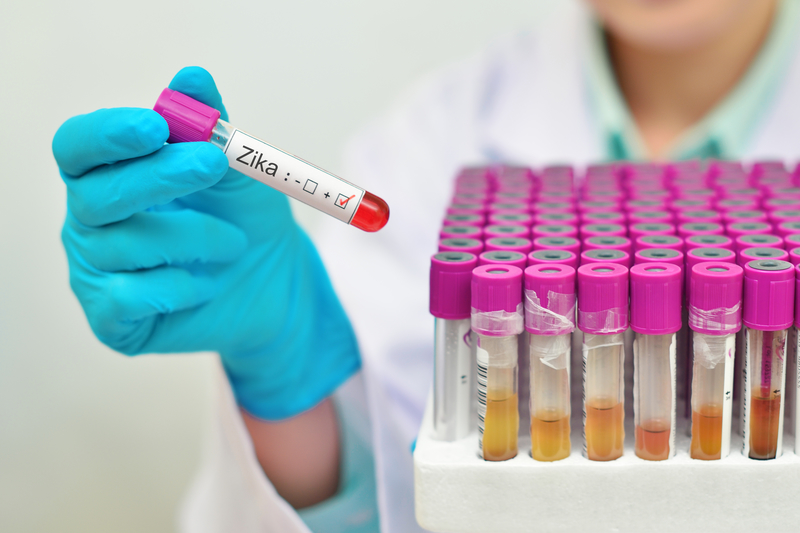
The Centers for Disease Control and Prevention (CDC) has reported some preliminary numbers detailing the effects of Zika virus on birth defects in the United States.
Around 6 percent of completed pregnancies following Zika virus infection were reported to have been affected by birth defects potentially related to Zika virus, according to the CDC. That means that, out of 442 pregnant women with potential Zika virus infection in the US Zika Pregnancy Registry, 26 completed pregnancies were reported to have birth defects.
For women who were infected with Zika in the first trimester of pregnancy, the rate of birth defects went up to 11 percent.
All 26 birth defects reported in this study were associated with women who traveled to other countries that had active Zika virus transmission at the time.
“Zika poses a real risk throughout pregnancy, but especially in the first trimester; it’s critical that pregnant women not travel to areas where Zika is spreading," said CDC Director Dr. Tom Frieden in a press release.
Zika is a virus spread primarily through mosquitos. It is often symptomless and usually resolves within days or a week. But serious birth defects, such as microcephaly, have been reported in newborns of women who were exposed to the virus during pregnancy.
The CDC continues to recommend that pregnant women not travel to areas with active Zika. Women who might have been exposed to Zika during pregnancy should speak with their health care provider.
All information on this site is provided “as-is” for informational purposes only and is not a substitute for medical advice or treatment. You should consult with a medical professional if you have any questions about your health.
More health news
 Health News
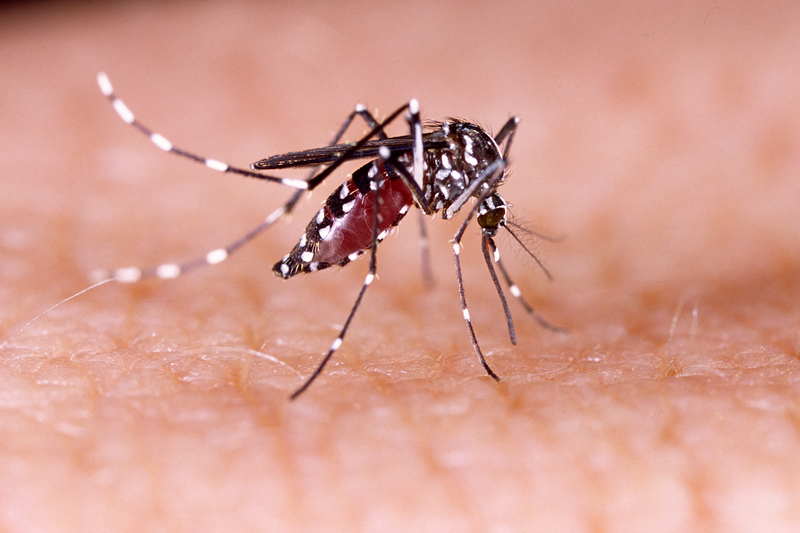
Where Zika Spread, Birth Defects Were More Common
Parts of the United States with local Zika spread saw an increase in birth defects
 Health News
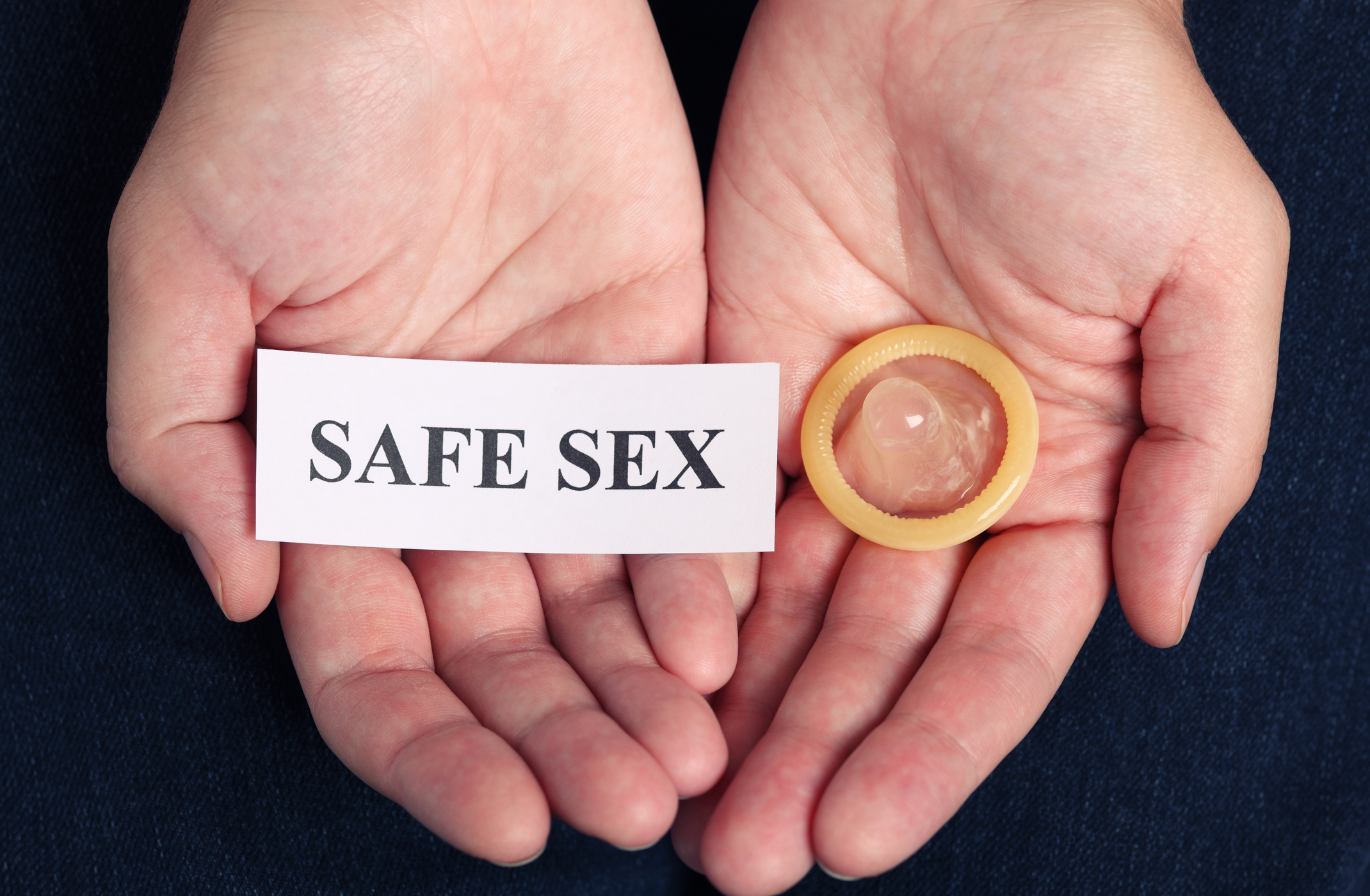
Why Safe Sex Could Protect You From Zika
Zika virus can be sexually transmitted, may persist in sperm even after negative blood tests
 Health News
Zika in the US: What It Means for Babies
Zika risks high for mother and baby regardless of when infection occurs