
Childhood Cancer Survivors and Sleep
Young cancer survivors can experience sleep and attention issues

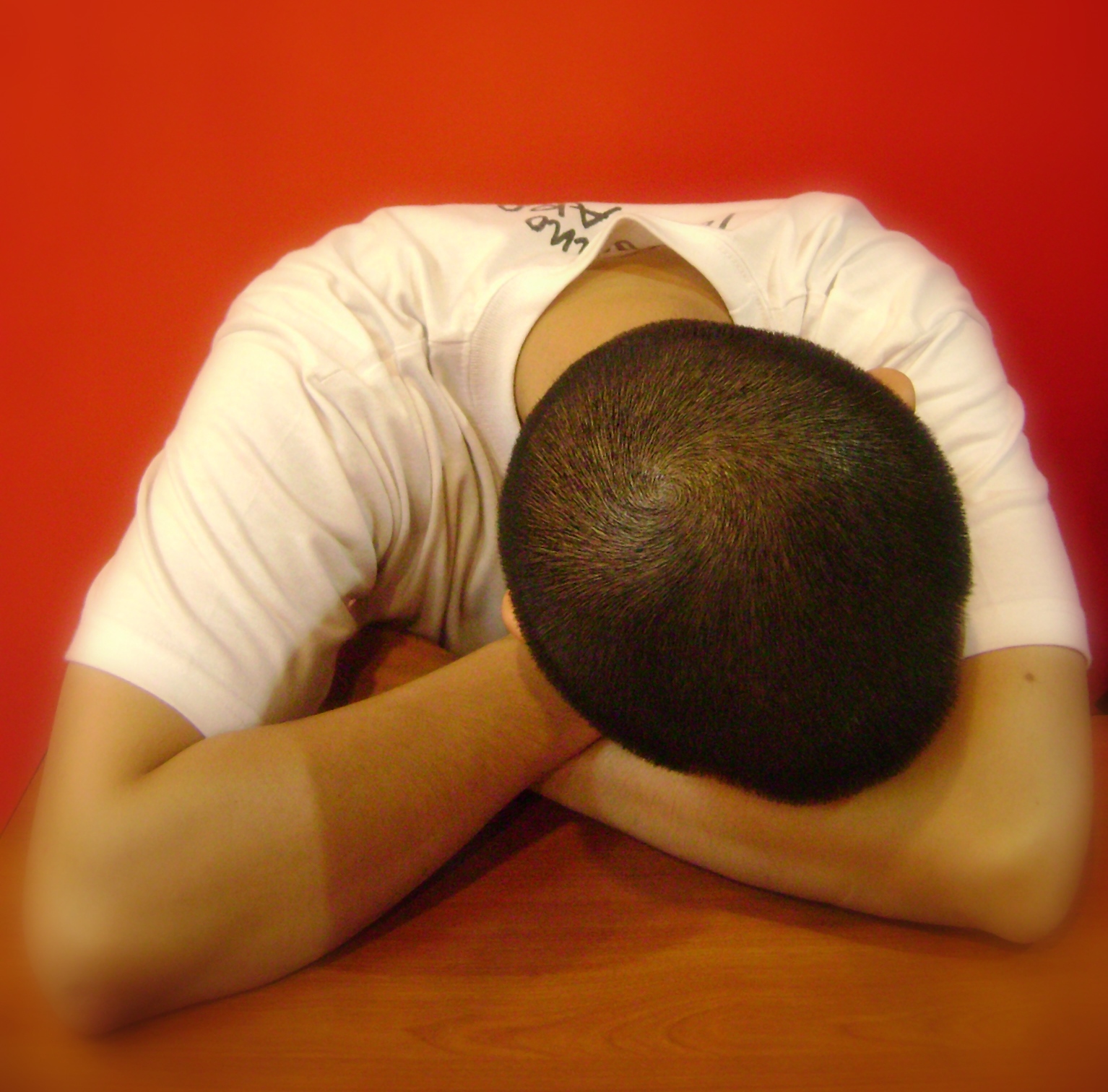
Everyone feels better after a good night's sleep. Everyone also feels listless after a restless night. This is especially true for childhood cancer survivors. A recent survey indicates childhood cancer survivors who experience poor sleep patterns may have cognitive issues.
Attention and memory issues are common in most children. These life long issues negatively impact the quality of their lives as adults. A recent analysis of child cancer survivors reveals how widespread attention and memory problems are.
Childhood cancer survivors need to seek help with sleeping problems.
Kevin Krull, PhD, of St. Jude's research hospital in Memphis, summarized a recent feedback of patients participating in The Childhood Cancer Survivor Study.
Krull explained cancer survivors are at more risk for attention, and memory problems. Lack of sleep and fatigue have the potential to make memory problems significantly worse. After at least 25 years of cancer treatment, 20 percent of study patients reported experiencing cognitive impairment.
Kull's review indicates that sleep deprivation problably magnifies their memory and attention struggles. The study indicates the cancer survivors who did report sleep deprivation were three to four times more likely to have memory and focus difficulties.
In Depth
- 1,426 patient whose childhood cancer was treated between 1970-1986 filled out a questionaire
- Researchers found that survivors' cognitive problems that are associated with poor sleep and fatigue are unrelated to the effects of brain radiation, chemotherapy, or the current age of the survivor.
- Cancer survivors who are currently taking antidepressant medications are 50 percent more likely to report attention problems and 70 percent more likely to report memory problems. Dr. Krull does not advise them to quit taking their medications
- The study was of the long-term medical psychosocial, and health of survivors from the 1970-1986 time period
All information on this site is provided “as-is” for informational purposes only and is not a substitute for medical advice or treatment. You should consult with a medical professional if you have any questions about your health.
More health news
 Prescription Drugs
Child Cancer Survivors Helped by ADHD Meds
Drugs shown to restore sustained attention of young survivors
 Health News
Battling Fatigue Decades Later
Childhood leukemia and lymphoma survivors often have chronic fatigue years later
 Health News
Take Charge After Childhood Cancer!
Childhood cancer survivors have a variety of health conditions as adults