
Dye Damages Women's Kidneys
Women have greater risk of kidney damage from dye used in coronary angiograms
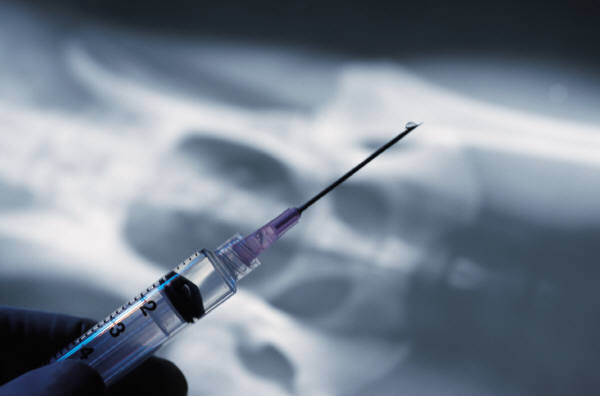
Doctors sometimes use X-ray machines to see if your heart is healthy. A type of dye has to be fed into patients' blood in order for these machines to see the inside of the heart.
This dye can cause kidney problems for both men and women.
Researchers found that women are more likely than men to get kidney damage from the dye used in coronary angiograms - an X-ray test that looks at the heart's blood vessels.
Common heart imaging test damages women's kidneys.
While this study does not explain why women have a greater risk than men, the researchers have some ideas. According to Javier Neyra, M.D., an Internal Medicine resident at Henry Ford Hospital, the difference may be explained by a woman's body size.
Both men and women are injected with the same amount of dye during a coronary angiogram. Because women are generally smaller, says Dr. Neyra, their bodies simply may not be able to handle this amount of dye.
Dr. Neyra and colleagues wanted to see if gender influenced patients' risk of developing radiocontrast-induced nephropathy (RCIN) - kidney damage caused by the dye used in coronary angiograms.
The difference in risk might also be explained by hormone levels or other chronic conditions. However, more research is needed before we can know, Dr. Neyra concludes.
The Study
- Over the course of one year, the researchers followed more than 1,200 patients who had undergone a coronary angiogram.
- Women were 60 percent more likely than men to suffer from RCIN
- Almost 20 percent of women in the study developed RCIN
- 13.6 percent of men in the study developed RCIN
All information on this site is provided “as-is” for informational purposes only and is not a substitute for medical advice or treatment. You should consult with a medical professional if you have any questions about your health.
More health news
 Health News
Picture of Health
Combo high-tech CT scans just as good as older imaging to detect coronary artery disease
 Health News
A MRI is a Better Heart Checker
MRI scans found a reliable and noninvasive way to diagnose heart disease
 Health News
Heart CT Scans Safer and More Accurate
Flash heart CT scans display blood vessels and blood supply