
Wearable Vs. Implantable Defibrillators
Wearable automatic defibrillator might be alternative to implantable cardiac defibrillator for some
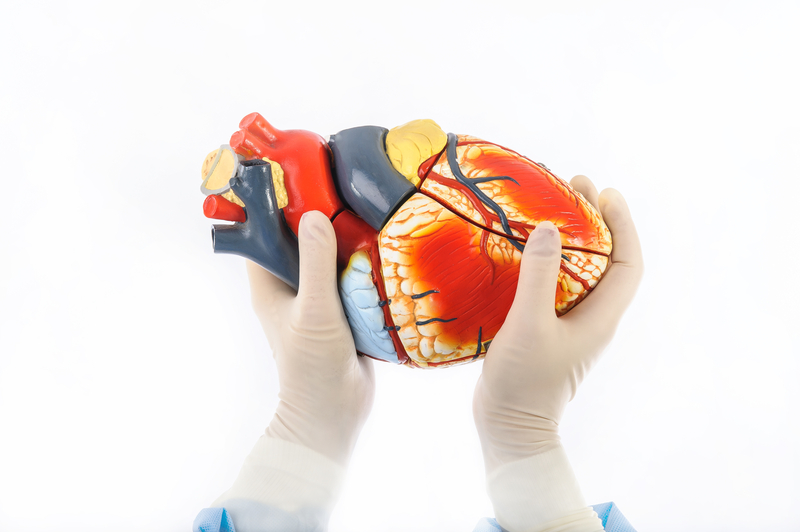
For patients at risk of heart rhythm problems and who can't receive an implantable cardiac defibrillator (ICD), a wearable defibrillator might be an option.
That's according to a recent American Heart Association statement published in the journal Circulation. The statement noted that evidence on this subject is limited but still said wearable defibrillators could be at least a short-term option for patients who cannot undergo surgery to receive an ICD.
Also, some heart rhythm problems are only temporary. They may be the result of a recent heart attack or blocked blood vessel. A wearable defibrillator can be easily removed, unlike an ICD, the statement authors noted.
Patients with infections or other conditions may be ineligible for surgery, ruling out the possibility of a surgery to insert an ICD. Wearable defibrillators, on the other hand, can be worn like vests. Automatic defibrillators monitor the heart's rhythm and use an electric shock to get the heart back on track when necessary.
Various statement authors disclosed funding from research organizations and pharmaceutical companies.
All information on this site is provided “as-is” for informational purposes only and is not a substitute for medical advice or treatment. You should consult with a medical professional if you have any questions about your health.
More health news
 FDA Approvals
New Wearable Defibrillator for Kids
LifeVest wearable cardioverter defibrillator approved for kids at risk of sudden cardiac arrest
 Health News
Wearable Defibrillator Approved for Kids
LifeVest wearable cardioverter defibrillator FDA-approved for use in kids at risk of sudden cardiac arrest
 Health News
External Options for Heart Failure
Heart failure patients can use an external defibrillator to shock heart back into rhythm