
Procedure Doesn't Lower Pulmonary Embolism Mortality
Vena cava filters do not lower pulmonary embolism death risk
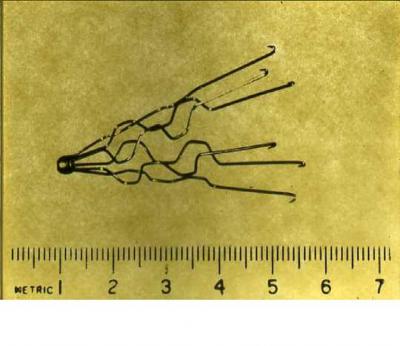
Filters used to block blood clots from passing to the lungs and creating a potentially life-threatening pulmonary embolism can save patient lives. Yet a trio of new studies suggests they don't reduce the risk of dying.
The vena cava filters may reduce the risk of mortality in patients considered "unstable" when they arrive at the hospital, however.
Always ask about the benefits and risks of potential therapies.
Paul Stein, MD, a lead researcher, professor in osteopathic medical specialties at Michigan State University and director of research at St. Mary Mercy Hospital, noted that hospitals have increased their use of vena cava filters for pulmonary embolism patients in recent years.
Yet inserting the devices in blood vessels does not appear to be helping pulmonary embolism patients live longer.
During the studies researchers reviewed data from the Nationwide Inpatient Sample, a national government database. The analysis included information on more than two million patients who suffered a pulmonary embolism between 1999 and 2008.
"These studies provide strong evidence on when filters reduce mortality and when they will not," Dr. Stein said. "Only a small percentage of patients suffering from a pulmonary embolism are in shock or in need of ventilation support, and therefore only a small proportion need a filter."
In addition to receiving a filter, Dr. Stein said that giving patients lower-risk clot-busting drugs is essential. He noted that currently only about a third of patients receive the potentially life-saving drugs. Doctors may limit the use of the therapy from fear of excessive bleeding, he said.
Researchers found during the studies that more frequent use of the therapy could ensure that fewer patients die after suffering a pulmonary embolism.
Investigators also determined that surgical removal of an embolism comes with a high mortality rate unless doctors are highly specialized and experienced.
In many cases, clot-busting drugs may be a safer option.
The studies were recently published in the May edition of the American Journal of Medicine.
All information on this site is provided “as-is” for informational purposes only and is not a substitute for medical advice or treatment. You should consult with a medical professional if you have any questions about your health.
More health news
 Health News
Hidden Risks for IVF Moms
Pregnant women using IVF appear at greater risk for blood clots and pulmonary embolism
 Prescription Drugs
New Application for Bayer Heart Drug
Xarelto to reduce cardiovascular events in patients with acute coronary syndrome
 Prescription Drugs
Rivaroxaban for Treating Pulmonary Embolism
Rivaroxaban outperforms against enoxaparin for pulmonary embolism treatment