
Texting and Driving Obsession
Texting while driving might be an obsession not an addiction
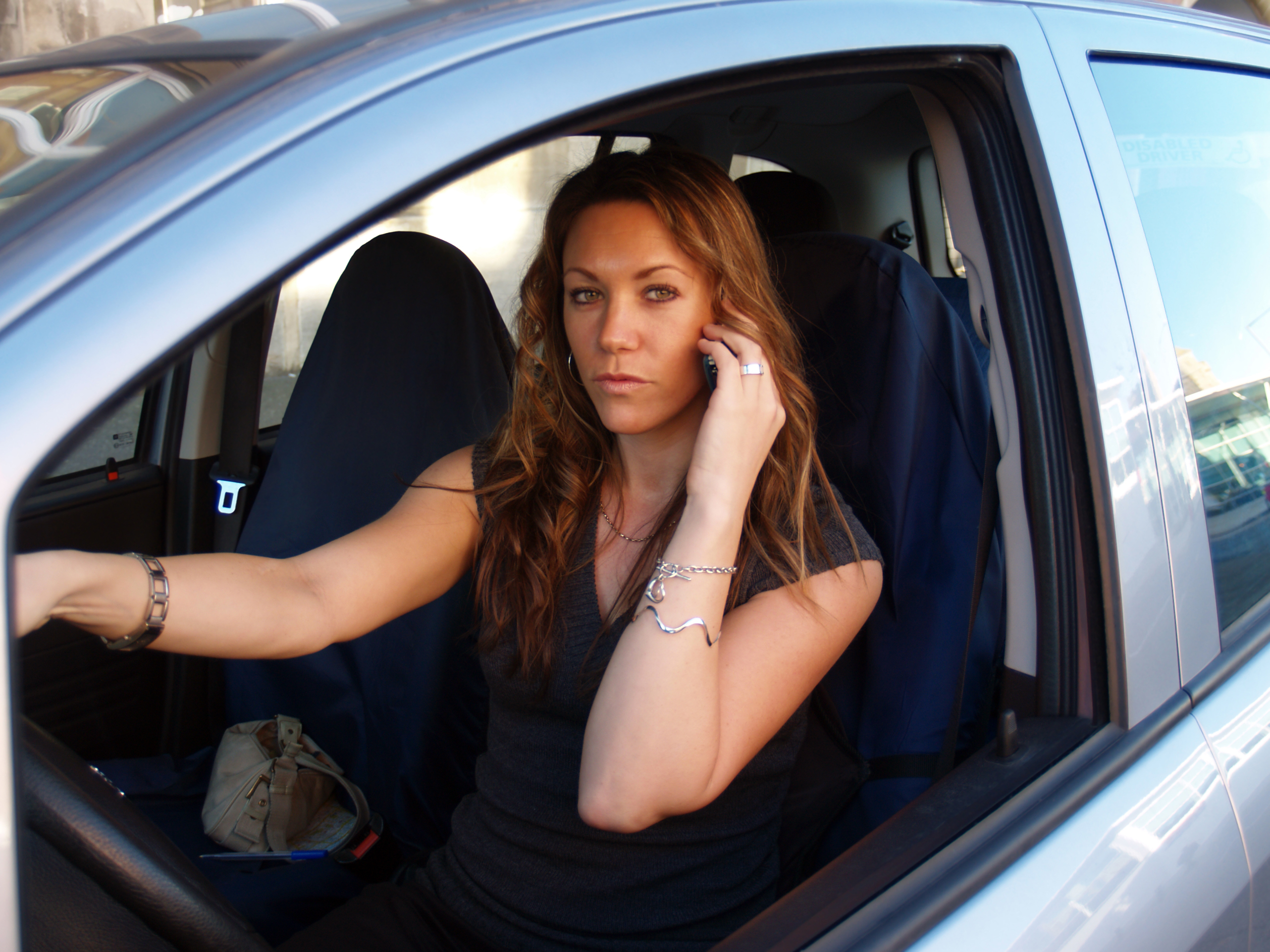
Some individuals would consider this generation the “Now” generation because technology has become so advanced that everything you need can be available at your finger tips.
Cell phones are so advanced that you can do virtually anything like text, call, surf the web and even shop on these devices. While cell phones have become increasingly valuable, they have also caused some problems.
A 2010 report by the National Safety Council estimated nearly 28 percent of all vehicle accidents were caused or could be linked to mobile phone usage. That’s a total of 1.6 million accidents per year. Despite both legal and health risks, people still use their cell phones while driving.
Don't text and drive.
Moez Limayem, Ph.D., a professor and associate dean for research and graduate programs in the Sam M. Walton College of Business at the University of Arkansas, believes that texting while driving might actually be due to obsessive compulsive disorder (OCD) rather than addiction.
OCD is an anxiety disorder that causes people to have unwanted and repeated thoughts, feelings, ideas, sensation or behaviors that make them feel the urge to do something in order to relieve that stress. For example some individuals who have an excessive fear for germs may wash their hands repeatedly to prevent infection.
A new study included 451 men and women who were on average 28 years old. Men consisted of two thirds of the participants. The participants were asked to complete online surveys. Questions were grouped into three types: general mobile phone usage, compulsive mobile phone usage and dangerous mobile phone usage.
The results indicated there was a link between compulsive usage and dangerous usage. Limayem believes this could be due to a blurred boundary between work and family which causes users to feel more responsibility. People now have a tool that allows them to receive messages from both aspects of their lives – this can increase their compulsive checking, he says.
Users are not checking their phones out of pleasure like many addiction studies have said; instead they are responded because of a heightened sense of stress and anxiety, Dr. Limayem says. And the results indicated just that – the most significant predictor of dangerous phone usage was due to answering text messages rather than initiating messages.
Legislative bans, interventions and prevention tactics should thus focus more on compulsive disorder traits rather than addiction. Public service announcements and other similar informative interventions might be more effective in minimizing mobile-phone-related injuries, Dr. Limayem suggests.
All information on this site is provided “as-is” for informational purposes only and is not a substitute for medical advice or treatment. You should consult with a medical professional if you have any questions about your health.
More health news
 Mental Health
Fight the Urge to Text At the Wheel
Texting while driving is a habit among college students
 Health News
Texting While Walking Hurts
Pedestrian injuries involving cell phone use increased five fold since 2005
 Mental Health
Texting and Driving: Not Smart
Teenage drivers who text while driving are more likely to make mistakes