
Which Is Best, Surgery Or Medication?
Surgery is an effective option for epilepsy
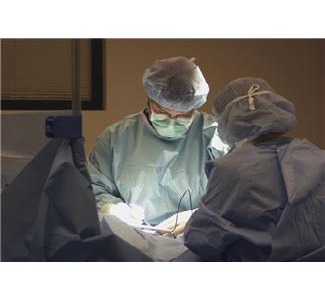
Some forms of epilepsy are tough to treat with just a medication. A new study demonstrates that brain surgery is a viable alternative to medication therapies.
Almost half the patients who had surgery for epilepsy remained seizure-free 10 years later, according to research published in The Lancet. The study concluded that surgical treatment is “appealing” for those patients whose seizures have not responded to medication.
Patients whose epilepsy has not responded to medication should consider surgery.
This study was the first long-term study of post-surgery epilespy patients. The study looked at 615 adults who had refractory focal epilepsy, a type of epilepsy that has proved difficult to treat. The patients had suffered from seizures an average of 20 years.
They found that 52 percent of patients were seizure-free after 5 years, and 47 percent remained free of seizures after 10 years. Most patients still took epilespy drugs, but 28 percent stopped taking them. No patients reported worsening of their condition after surgery.
The longer a person went without seizures, the less likely they were to relapse.
The authors of the study, along with other experts, said that pre-surgical assessments should be adjusted so that patients can become candidates for surgery sooner.
The Lancet study was published in October 2011.
All information on this site is provided “as-is” for informational purposes only and is not a substitute for medical advice or treatment. You should consult with a medical professional if you have any questions about your health.
More health news
 Prescription Drugs
Some Hope for Tough Epilepsy Cases
Keppra can improve quality of life for epilepsy patients
 Health News
Wear Purple for Epilepsy Awareness
National Epilepsy Awareness Month aims to improve seizure control, recognition, first aid awareness
 FDA Approvals
New Epilepsy Rx Gets FDA Nod
Briviact approved to treat partial onset seizures in patients age 16 years and older with epilepsy