
Enough to Leave You Breathless
Study looks at shortness of breath after lung-cancer treatment
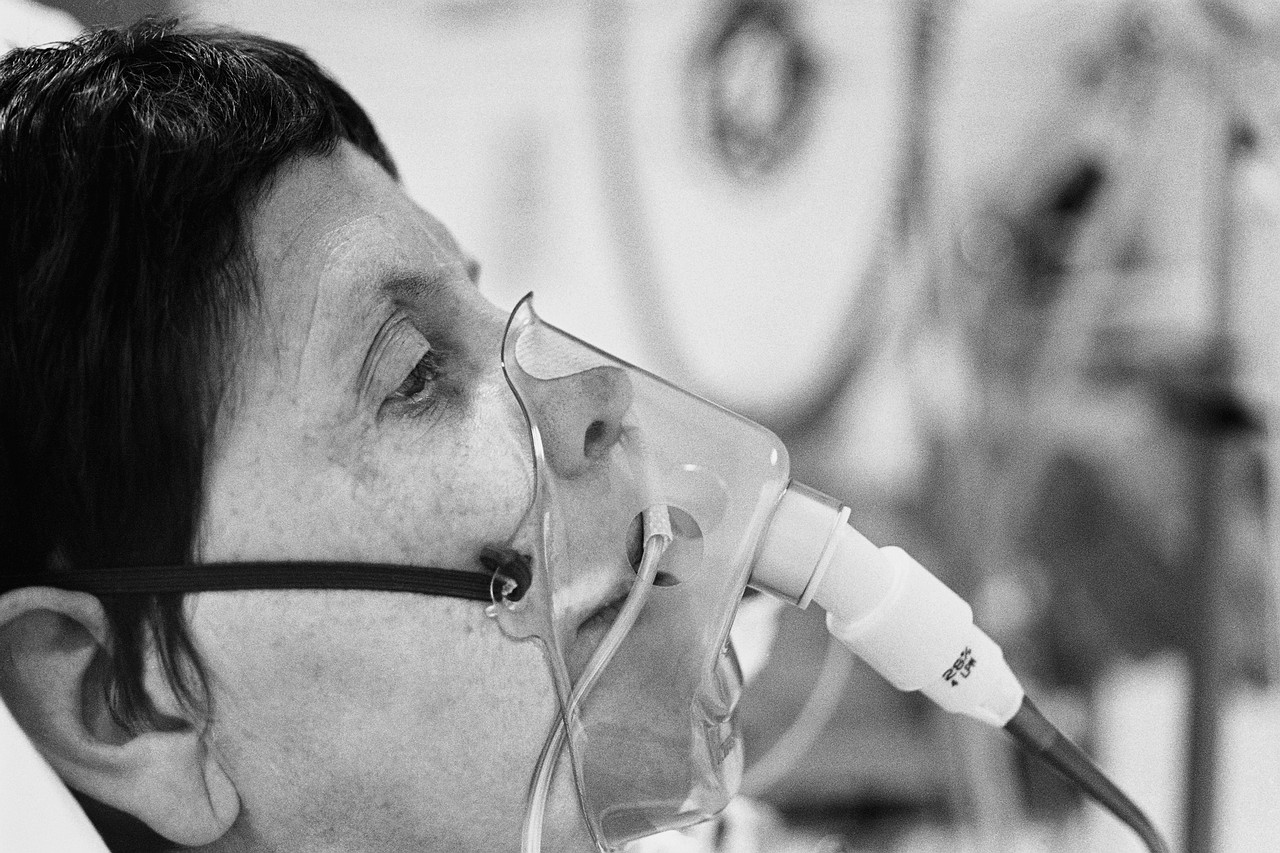
A new study looks at the prevalence of dyspnea (shortness of breath) in patients after completing lung-cancer treatment.
Researchers, led by Marc B. Feinstein, MD, surveyed 342 early-stage lung cancer survivors who had their tumors removed and found dyspnea in 205 patients (60 percent). That number is three times that of patients who exhibited dyspnea before surgery (21 percent).
Many patients presented factors associated with long-term dyspnea before removal of their tumors -- including reduced ability of the blood to transfer oxygen (diffusion capacity) into the blood and lack of physical activity.
Identifying potentially modifiable risk factors associated with dyspnea is perhaps the most significant finding, Feinstein said. The finding implies strategies that improve physical activity and/or relieve depressive symptoms may improve dyspnea.
More research is needed to determine whether screening and intervention for depression and physical inactivity reduces breathlessness in long-term lung cancer survivors.
This study comes from researchers at Memorial Sloan-Kettering Cancer Center and UMDNJ-Robert Wood Johnson Medical School.
All information on this site is provided “as-is” for informational purposes only and is not a substitute for medical advice or treatment. You should consult with a medical professional if you have any questions about your health.
More health news
 Natural
Alternative Asthma Therapy Might Leave Kids Breathless
Study confirms alternative asthma therapies may interact with conventional treatment
 Natural
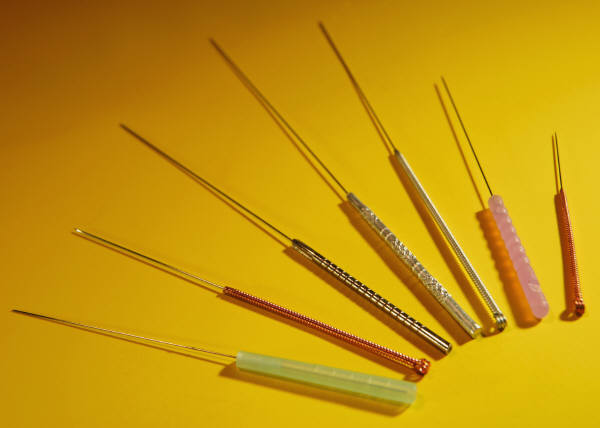
Breathe Easier with Acupuncture
COPD patients treated with acupuncture have less shortness of breath