
Practice Makes Perfect
Study indicates radiologists who read more breast-cancer mammograms are more accurate
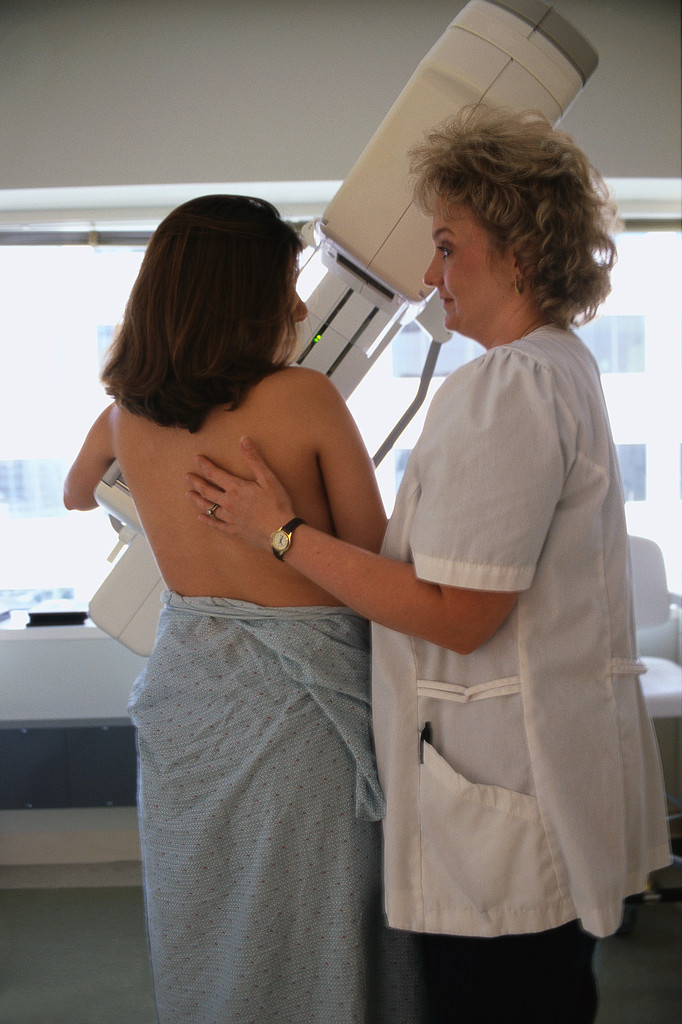
Radiologists who read more mammograms tend to be better at determining which suspicious breast lesions are cancer, according to a new report from the Institute of Medicine.
As a result, the Institute -- the health arm of the National Academies -- has called for more research on the associations between volume and performance in screening mammography.
The study looked at information from 120 radiologists, who interpreted 783,965 screening mammograms over a five-year period at six mammography registries in the Breast Cancer Surveillance Consortium (BCSC). In particular, researchers focused on how screening outcomes looked when compared to different annual volumes from four separate radiologists.
Study leader Diana S.M. Buist, PhD, MPH, a senior investigator at Group Health Research Institute said the researchers found that radiologists who interpreted more mammograms per year missed fewer cancer diagnoses and had fewer false-positive findings.
Current guidelines from the U.S. Food and Drug Administration (FDA) require mammographers to interpret only 960 mammograms every two years. These requirements are as many as 5 times higher in Europe and Canada, where false-positive results are less frequent than in the United States but cancer-detection rates are similar.
False-positive results require further testing (to the tune of $1.6 billion annually) and cause undue anxiety in patients. This study shows that if the U.S. could reduce the false-positive results it would not only save the U.S. $1.6 billion annually, it would save a lot of worry for patients.
All information on this site is provided “as-is” for informational purposes only and is not a substitute for medical advice or treatment. You should consult with a medical professional if you have any questions about your health.
More health news
 Health News
Mammograms Every Year or Every Other Year?
Breast cancer screening mammography every other year okay for women between 50 and 74
 Features
Screening for Breast Cancer
Dispelling myths about mammography
 Health News
Older Women and Breast Cancer Screenings
Breast cancer screening every two years may be effective for older women