
Nursing Homes: Closed for Business
Study finds that nursing home closures disproportionately affect poor and minority areas
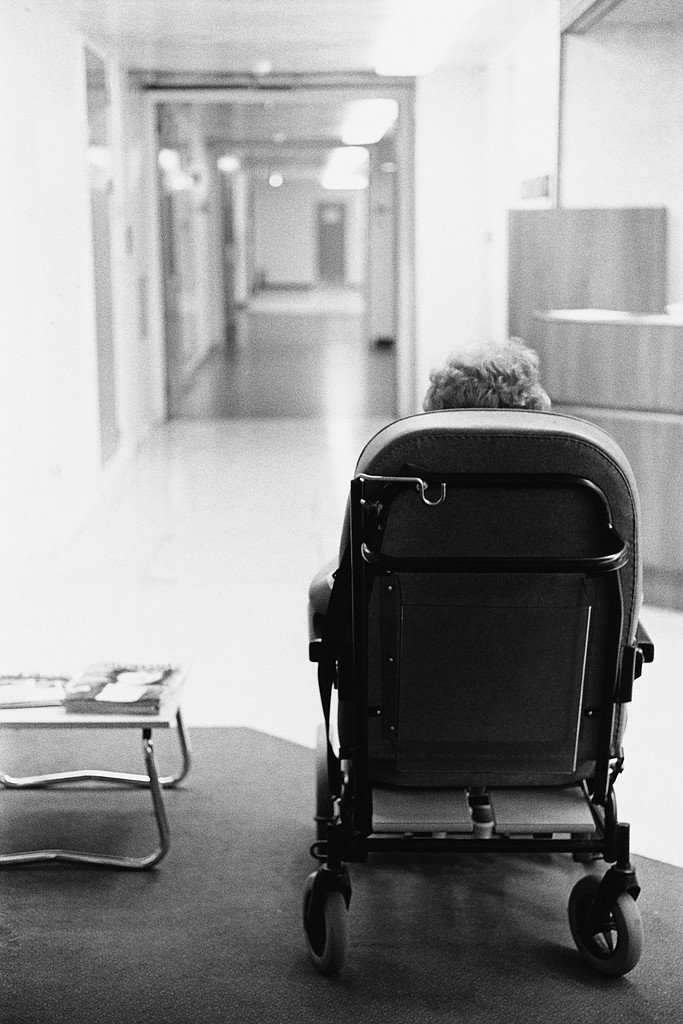
Many elderly individuals rely on nursing homes to take care of them as they grow less independent. However, those in urban and largely minority neighborhoods are slowly losing access to those nursing homes.
Researchers from Brown University and Drexel University studied the distribution of nursing home closures across the United States between 1999 and 2008. They found that non-hospital nursing homes in the poorest ZIP codes were twice as likely to close as those in the wealthiest ZIP codes. The likelihood of closures was 1.38 times greater in ZIP codes in primarily black areas than in areas with little or no black population. Nursing homes were 1.37 times more likely to close in primarily Hispanic ZIP codes than in ZIP codes with the smallest Hispanic populations.
In the decade the researchers studied, the United States lost 96,902 (5 percent) nursing home beds. This loss is partially attributable to a decline in demand as wealthier patients turned to alternative methods of care such as assisted living or community-based care. Additionally, changes in 1998 to Medicare policy led to a 50 percent decrease in hospital-based nursing homes. This decline also affected largely black and Hispanic neighborhoods.
According to Vince Mor, the Florence Pirce Grant University Professor of Community Health at Brown and a senior author of the study, these findings highlight a problem that is not going to disappear. The issue will remain as a large segment of the population grows older and the gap between rich and poor increases, he says.
The larger issue is finding ways to fix the problem. As Mor notes, solving the problem involves a moral dilemma: the decision between continuing to fund a nursing home that offers poor care and closing a nursing home on which a community relies.
According to Zhanlian Feng, Assistant Professor of Community Health and first author of the paper, it is hard to tell if alternatives such as assisted living, home-based care, and community-based care are viable alternatives for nursing homes, especially considering the current budget environment in the United States. Yet they seem to be the only other alternatives to nursing homes, which are becoming less and less of an option.
All information on this site is provided “as-is” for informational purposes only and is not a substitute for medical advice or treatment. You should consult with a medical professional if you have any questions about your health.
More health news
 Health News
Deadly Zip Codes
Lung cancer mortality higher in black men living in highly segregated communities
 Health News
Kill Two Medical Tests with One Visit
Colorectal screening could happen during mammography visits
 Health News
Sex When it's Not Sexy
Sexually transmitted diseases increase among women with a reckless partner