
Some News That's Easy to Swallow
Study finds most people swallow, speak just fine after head-and-neck cancer therapy
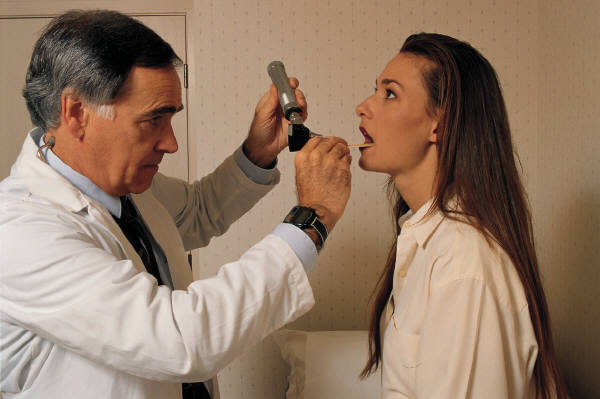
A new study finds most patients with locally advanced head and neck cancers who successfully complete treatment with chemotherapy and radiation manage to retain their ability to speak clearly and swallow.
"This is good news," said Joseph K. Salama, MD, an assistant professor of radiation oncology at Duke and study author. "I hope it brings some comfort to newly-diagnosed patients who are understandably worried about what long-term effects treatment might involve."
More than 70,000 individuals will be diagnosed with some form of head and neck cancer next year, according to an estimate from the American Cancer Society. These cancers can alter everyday functions such as eating and speaking, and surgery can dramatically change facial appearances.
"Surprisingly, there are few studies of this size and duration that have followed these patients and documented in detail factors that alter their functional status after organ preserving therapy," said Salama.
Researchers found that 85 percent of patients were able to speak normally and 63 percent were able to swallow normally from a retrospective study of 184 patients who had completed treatment. Of those who reported negative effects of treatment, several identifying factors stood out, including a history of smoking and tumors located directly on the larnyx. Women also did not fare as well in general as men, but Salama said this could be attributed to less women enrolled in the study.
All information on this site is provided “as-is” for informational purposes only and is not a substitute for medical advice or treatment. You should consult with a medical professional if you have any questions about your health.
More health news
 Health News
Bad News Blood
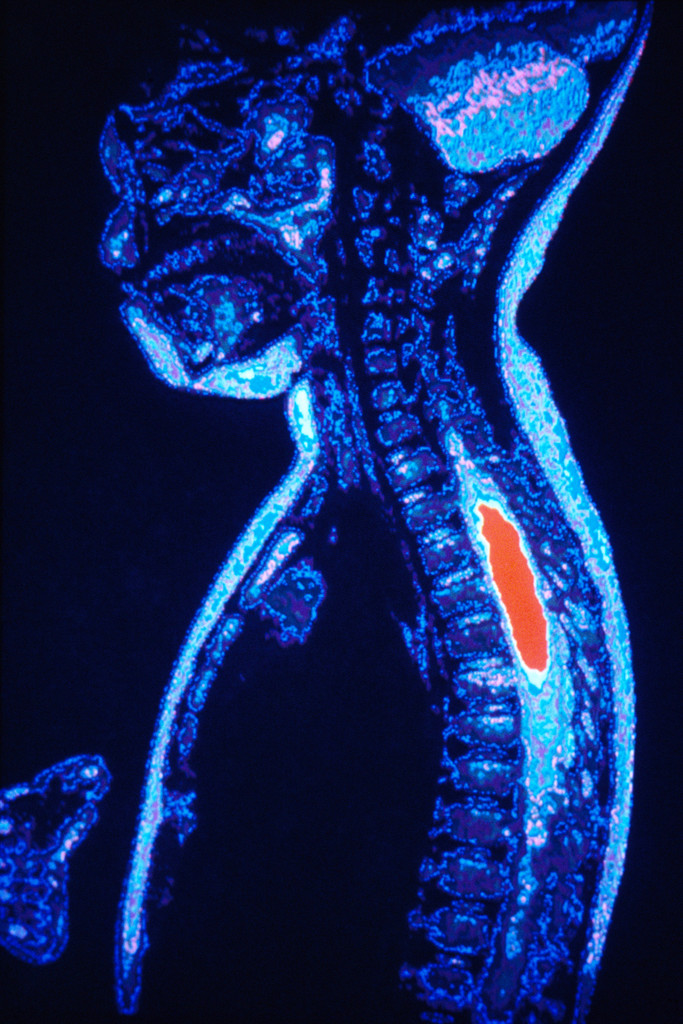
Tumor cells in blood may indicate worse prognosis for head-and-neck cancer patients
 Health News
Time Out for Dry Mouth
Submandibular gland treatment helps treat xerostomia
 Health News
Exercise Helps Cancer Patients
Cancer of the head and neck targeted exercise improves function