
Some Patients Are Saying No to Drugs
Study finds low adherence to prescription drugs that prevent recurrent heart attacks
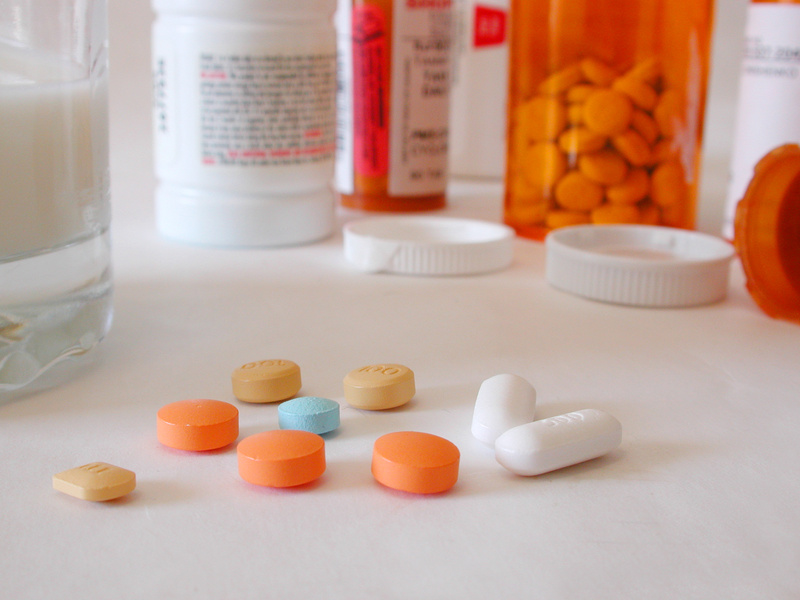
Some heart attack patients are not taking their medications, thus putting themselves at greater risk of hospitalization and death.
This finding is part of a study to be published in the Clinical Journal of the American Society of Nephrology.
Researchers from Stanford University School of Medicine and Harvard Medical School studied patient records and pharmacy insurance claims of 2,103 individuals aged 65 years and older with a recent heart attack. The researchers reviewed patients' adherence rates to three types of prescription drugs used to prevent recurrent heart attacks. Those medications are angiotensin-converting enzyme inhibitors/angiotensin-receptor blockers (ACEIs/ARBs), beta-blockers, and statin drugs.
According to Wolfgang C. Winkelmayer, M.D., Sc.D., of Stanford University School of Medicine, these three classes of medications have proven benefits, yet many patients are not taking their prescriptions, especially those with kidney dysfunction.
After three years of follow-up, the study's findings show that adherence rates to prescriptions were low. Patients were taking their prescribed medications for merely 50 to 60 percent of the time. Researchers also found that adherence to prescriptions of ACEIs/ARBs and beta-blockers was substantially lower for patients exhibiting kidney dysfunction.
The authors note, however, that their study has some limitations: kidney function was determined based on one lab test; the sample population lacked diversity; and in some cases researchers could not specify the exact reasons patients stopped following their prescriptions.
This study is important, Winkelmayer explains, because it examines the breadth of a dangerous trend. The study investigates a population (those with kidney dysfunction) that is at great risk for recurrent heart attacks. Understanding long-term medication adherence rates in this high-risk population will hopefully lead to improved clinical outcomes.
All information on this site is provided “as-is” for informational purposes only and is not a substitute for medical advice or treatment. You should consult with a medical professional if you have any questions about your health.
More health news
 Clinical Trials
Bypass Patients Less Likely to Take Meds
Coronary bypass patients less likely to fill prescriptions than angioplasty recipients
 Prescription Drugs
Taking Meds Not as Easy as It Sounds
Patients with high blood pressure adhere to some drugs more than others
 Prescription Drugs
Take Blood Pressure Pills on Schedule
High blood pressure medications when not taken correctly increase risk of stroke