
More Grains, Less Meat, Healthier Kidneys
Study finds grain-based proteins are better than meat-based proteins for kidney disease patients
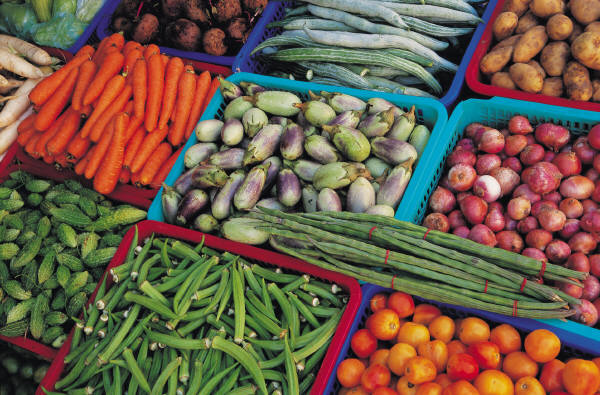
A new study reveals that a vegetarian diet can help treat kidney disease by lowering levels of phosphorous in the blood and urine of patients.
One of the many side effects of chronic kidney disease (CKD) is that patients cannot efficiently expel phosphorous from their bodies. Consequently, phosphorous - a mineral which occurs in dietary proteins and is often used as a food additive - can quickly become toxic in patients of CKD as high levels of the mineral in blood and urine can cause heart disease and death. As such, CKD patients are advised to eat diets low in phosphorous. However, nutrition facts on food products do not reveal phosphorous levels. This study - led by Sharon Moe, MD, from Indiana University School of Medicine and Roudebush Veterans' Affairs Medical Center - sheds light on the types of food CKD patients should eat.
Moe and her colleagues compared the levels of phosphorous in nine CKD patients. Participants were told to adhere to either a vegetarian or meat-based diet for one week. Subsequently, they were told to switch to the opposite diet for two to four weeks. At the end of each 7-day diet period, subjects following both diets were sent to a hospital research center in order to monitor blood and urine.
Compared to their findings on meat-based diets, the researchers saw a decline in both blood and urine phosphorous levels in those patients following the vegetarian diet. Moe and colleagues could not account for this dissimilarity. However, they deduce that a lower phosphate-to-protein ratio is responsible. Additionally, phosphates in a grain-based diet take the form of phytate, the primary storage form of phosphorous in plant tissues. As a result, those phosphates are not absorbed by humans.
According to the researchers, their results should lead health clinicians to recommend vegetarian diets with grain-based sources of protein to their CKD patients. CKD patients who follow such a diet would be able to increase their protein intake without risking toxic phosphorous levels.
The study is published in the Clinical Journal of the American Society of Nephrology.
All information on this site is provided “as-is” for informational purposes only and is not a substitute for medical advice or treatment. You should consult with a medical professional if you have any questions about your health.
More health news
 Health News
The ABCs of Vitamins and Minerals
Small molecules that can pack a big punch for your health
 Health News
Lifestyle Matters: Q&A
Living Life Fully After Cancer
 Natural
Vitamins Galore - Which To Choose?
Multivitamins efficacy varies for many reasons