
Mini-Size Me
Study finds cafeteria patrons will consume smaller food portions if presented with the opportunity
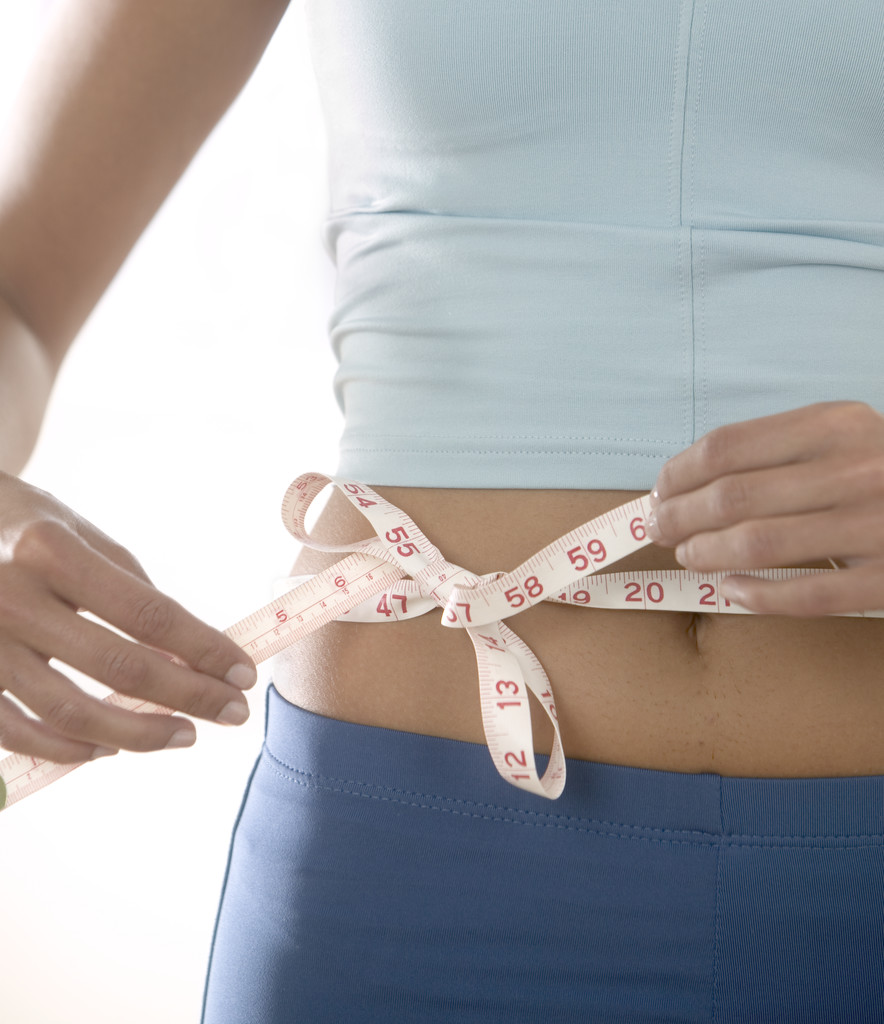
Offering smaller portions at cafeterias might curb calorie intake for some, according to researchers at VU University Amsterdam.
The researchers contend smaller portions in other settings could also help reduce skyrocketing obesity rates. (More than a quarter of the American public is overweight or obese, according to the Centers for Disease Control and Prevention.)
The study looked at three groups of workplace cafeterias across The Netherlands. The first group was offered a hot meal two-thirds the regular size for a two-thirds discount, in addition to existing choices. The second group was also offered smaller portions, but offered "value prices" so that the cost went down as portion size went up. The third group was sold only regular-sized meals.
The study found that 10 percent of the meals sold were smaller-portion meals, with men and better educated individuals least likely to choose the smaller-portion. Pricing did not appear to play a role in individual's decisions, surprisingly.
Researchers say the next step is to find out if those who chose smaller portions somehow compensated in their diets by snacking more or choosing more fried foods at snack time, for example. But according to the research, smaller portions should point to positive consequences for public health.
All information on this site is provided “as-is” for informational purposes only and is not a substitute for medical advice or treatment. You should consult with a medical professional if you have any questions about your health.
More health news
 Health News
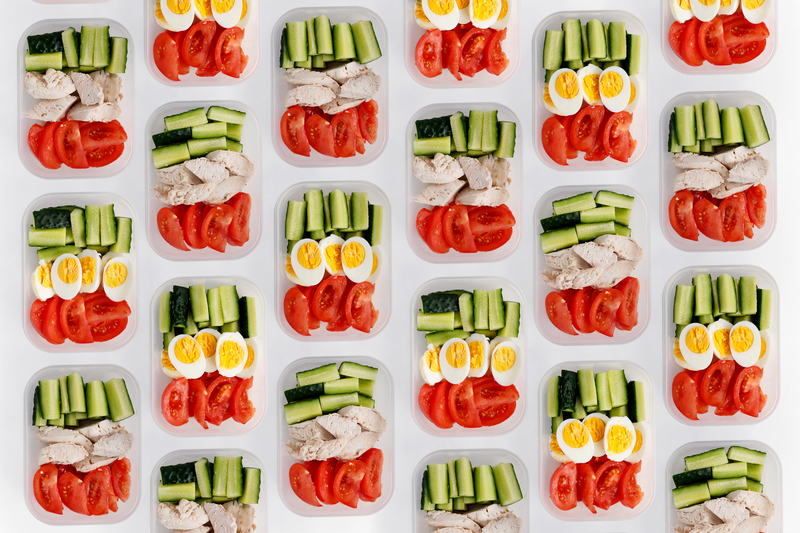
How to Reduce Portions
Check out these tips to reduce portion sizes and maintain a healthy diet
 Health News
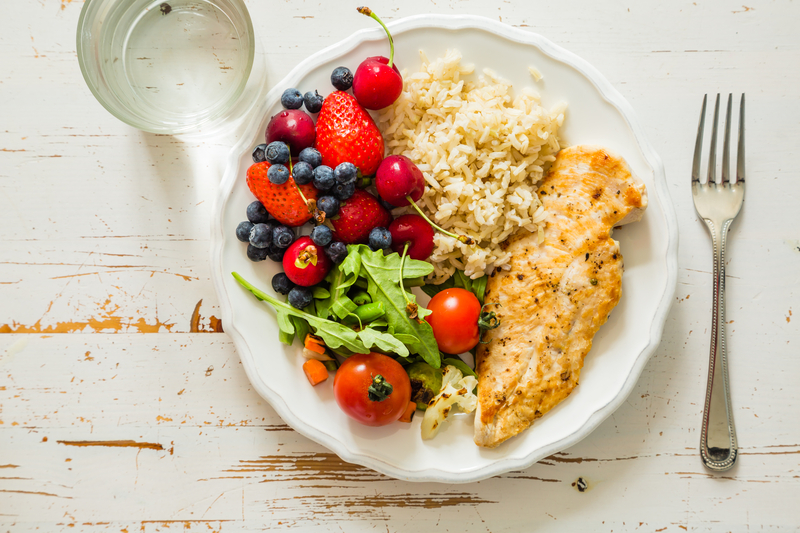
Portion Control: Quick and Easy Tips
Portion control can help you maintain a healthy weight
 Natural
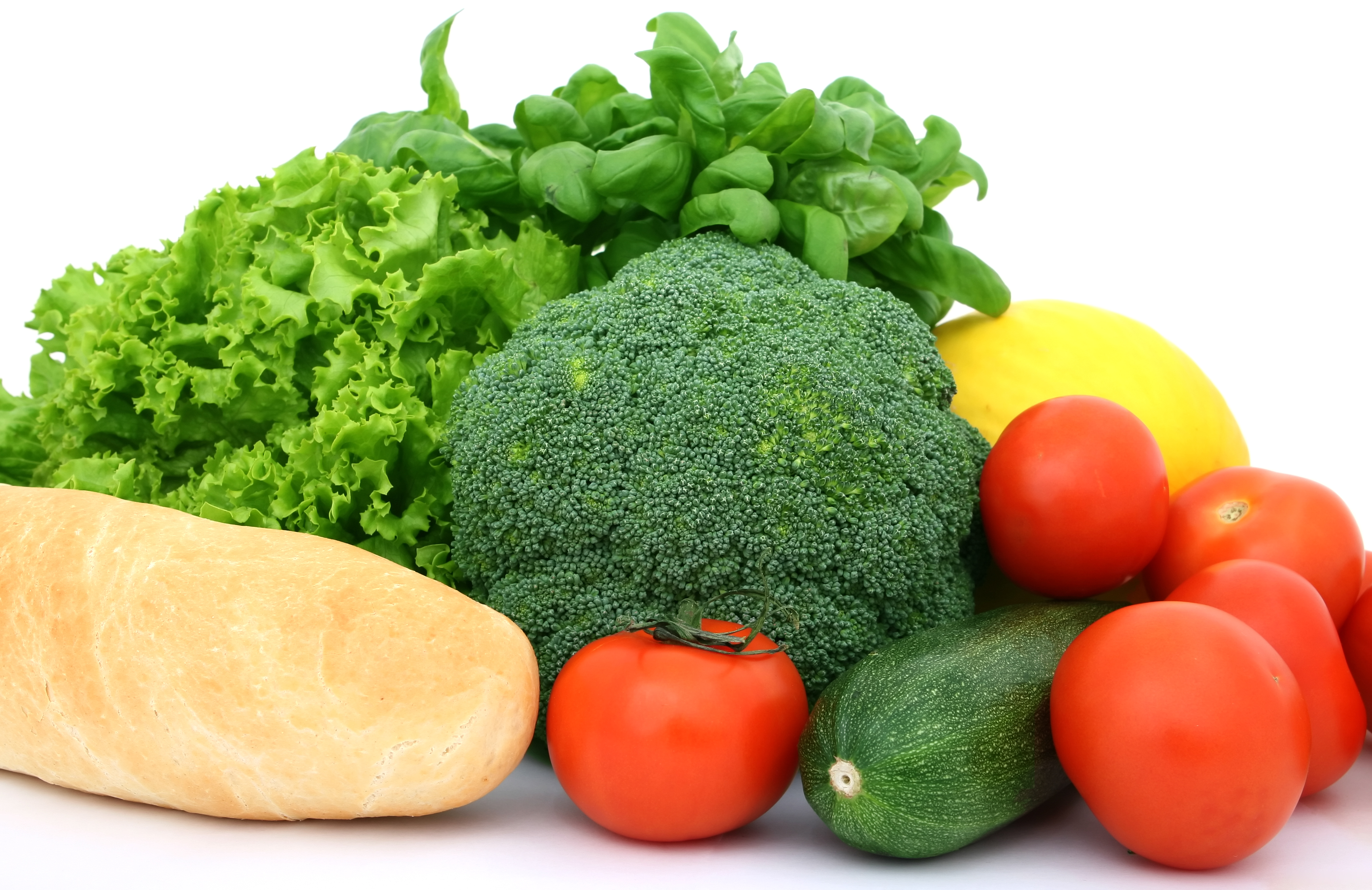
Would You Like String Beans With That?
USDA changes to school lunches increase veggies and grains while decreasing fats and salts