
Citrus Fruits Lower Stroke Risk for Women
Stroke risk drops among women who eat citrus fruits especially oranges and grapefruit
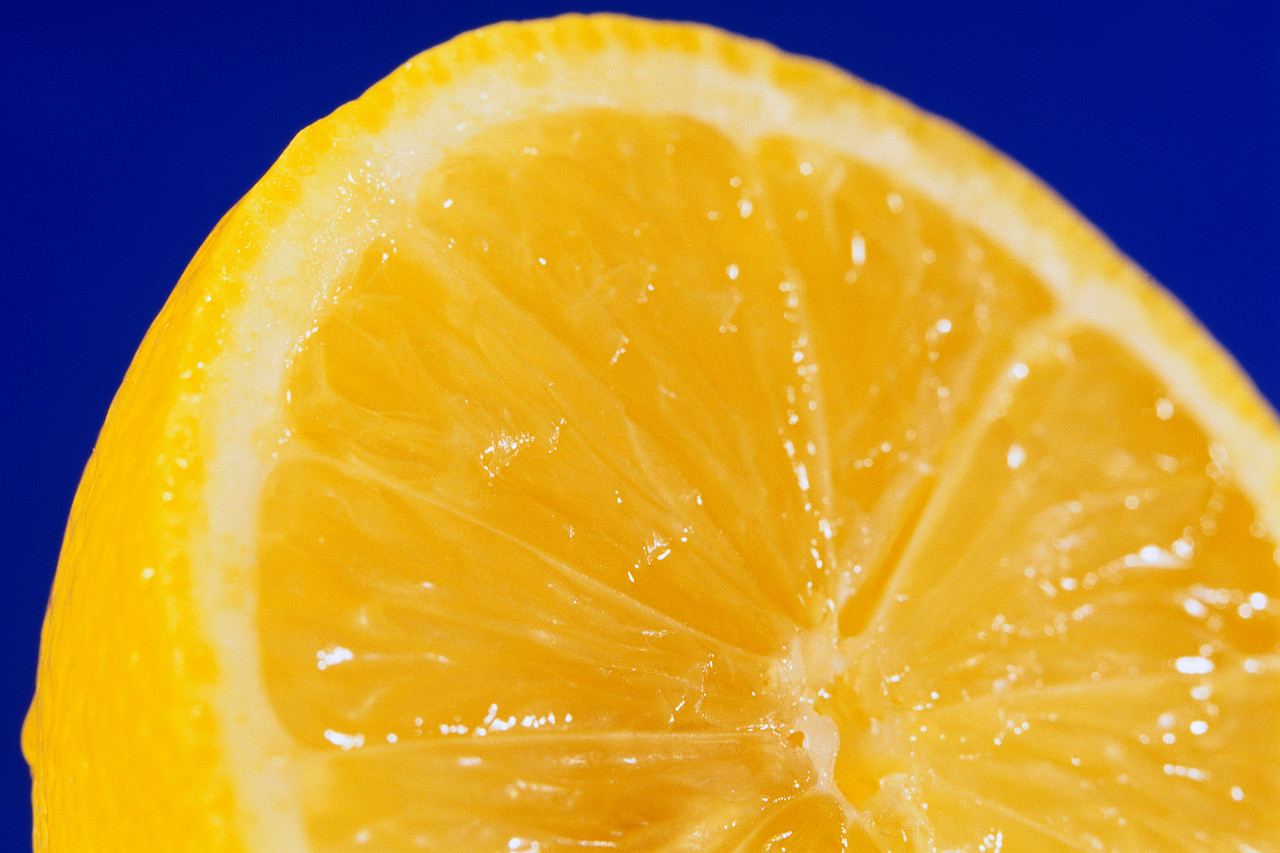
Citrus fruits such as oranges and grapefruits do more than function as a tasty snack. In women, a compound found in citrus fruits also appears to lower the risk of stroke.
That compound class, flavanones, is part of a flavonoid subclass.
Flavonoids are found in fruits, vegetables, red wine and dark chocolate. Several previous studies also have suggested they may be beneficial.
Incorporate citrus fruits such as oranges into your diet.
Aedín Cassidy, Ph.D., the study’s lead author and professor of nutrition at Norwich Medical School in the University of East Anglia in the United Kingdom, noted that research has shown that higher fruit, vegetable and specifically vitamin C intake can lower stroke risk. She said that flavonoids are believed to offer protection through improved blood vessel function and an anti-inflammatory effect.
During the study researchers reviewed 14 years of follow up data from the Nurses's Health Study, which followed nearly 70,000 women. The women reported their food intake, including details on their fruit and vegetable consumption every four years.
Researchers looked at the relationship between the six main subclasses of flavonoids common in the U.S. diet, including flavanones, anthocyanins, flavan-3-ols, flavonoid polymers, flavonols and flavones, and the risk of ischemic, hemorrhagic and total stroke.
No benefit was found when it came to total flavonoid consumption. However, investigators found that women who ate high amounts of flavanones in citrus fruits had a 19 percent lower risk of ischemic stroke as compared to women who ate less citrus.
About 82 percent of the citrus included in the study came from oranges or orange juice, while 14 percent came from grapefruit or grapefruit juice. Investigators suggest consuming fruit instead of juice to receive the benefit since fruit juices tend to have high sugar content.
Additional research is needed to confirm the finding and to better understand the association before recommendations are made based on the study.
The study, funded by the National Institutes of Health, was recently published in Stroke: Journal of the American Heart Association.
All information on this site is provided “as-is” for informational purposes only and is not a substitute for medical advice or treatment. You should consult with a medical professional if you have any questions about your health.
More health news
 Health News
5 Foods That May Lower Blood Pressure
Diet can be a key component in blood pressure control
 Health News
Flavonoids: Nature's Answer for a Better Sex Life?
Flavonoid-rich foods, drinks linked to lower erectile dysfunction risk
 Natural
Fruits & Veggies Punch Cancer
Prostate cancer may be less aggressive for those who eat more fruits and vegetables