
The Human Brain, a Great Opportunist
Stick figures inform brain as much as photos
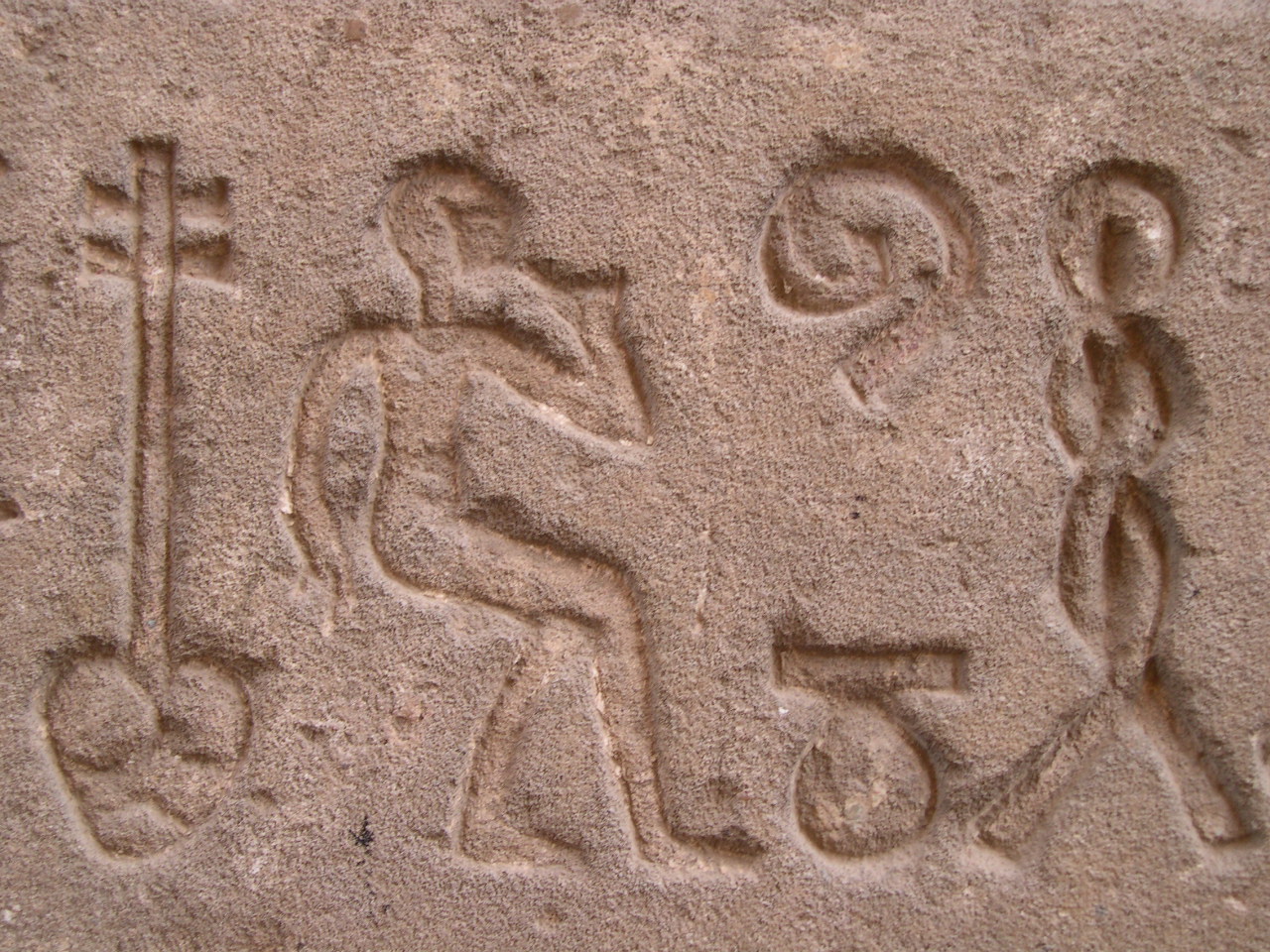
Cave men used stick figures as self-portraits and hunting diaries to record their lives. This simple artwork created by cave men may be just as informative to our brains as a masterpiece from Rembrandt.
Researchers from three different institutions found a line drawing (like a stick figure) of a beach elicited the same brain activity as the more visually sophisticated color photographs of the beach. This brain activity also remained the same comparing line drawings of mountains, offices and city streets with photographs of the same.
Colors and textures are not needed for our brains to visualize scenes.
Dirk Bernhardt-Walther, lead author of the study and assistant professor of psychology at Ohio State University comments that our brains are able to recreate entire scenes with very limited data, such as the line drawings.
The brain seems to have a great filing system and creates the missing information to surmise and file a scene appropriately. Walther also calls the brain a great opportunist with its ability to fill in data.
During the study, even when 75 percent of the line information was excluded, participants' brains were able to fill in missing lines. The brain usually jumps to the correct visual conclusions.
Walther concludes that the study results may also support why line drawings have played a key role in human history, in both artistic renderings and supplying historical information. He can only imagine the delight of early man discovering draw shapes on a rock wall that resembled the actual animal he had just killed.
Study participants' brains were scanned via functional magnetic resonance imaging(fMRI) and compared via a software based decoder while viewing color photographs and line drawings of six categories of scenes, including nature scenes, beaches and office buildings.
The most telling results occurred in the parahippocomal place area (PPA) of the brain. PPA plays an important role in encoding and recognizing scenes as opposed to faces or objects.
The decoder could correctly identify which scene a person viewed when it was focused on line drawings as well as on photographs. The decoder even did slightly better at predicting line drawings in the primary visual cortex.
All information on this site is provided “as-is” for informational purposes only and is not a substitute for medical advice or treatment. You should consult with a medical professional if you have any questions about your health.
More health news
 Features
What's a Migraine?
Migraine explanation treatment overview
 Health News
Let's Talk About Sex
Survey device nabs more accurate information regarding teen sex practices as part of HIV fight
 Mental Health
What Does Your Self Portrait Say?
Individuals suffering from eating disorders tend to draw a negative image of themselves