
Autism Revelations From the Skin
Stem cell research provides insight into autism development
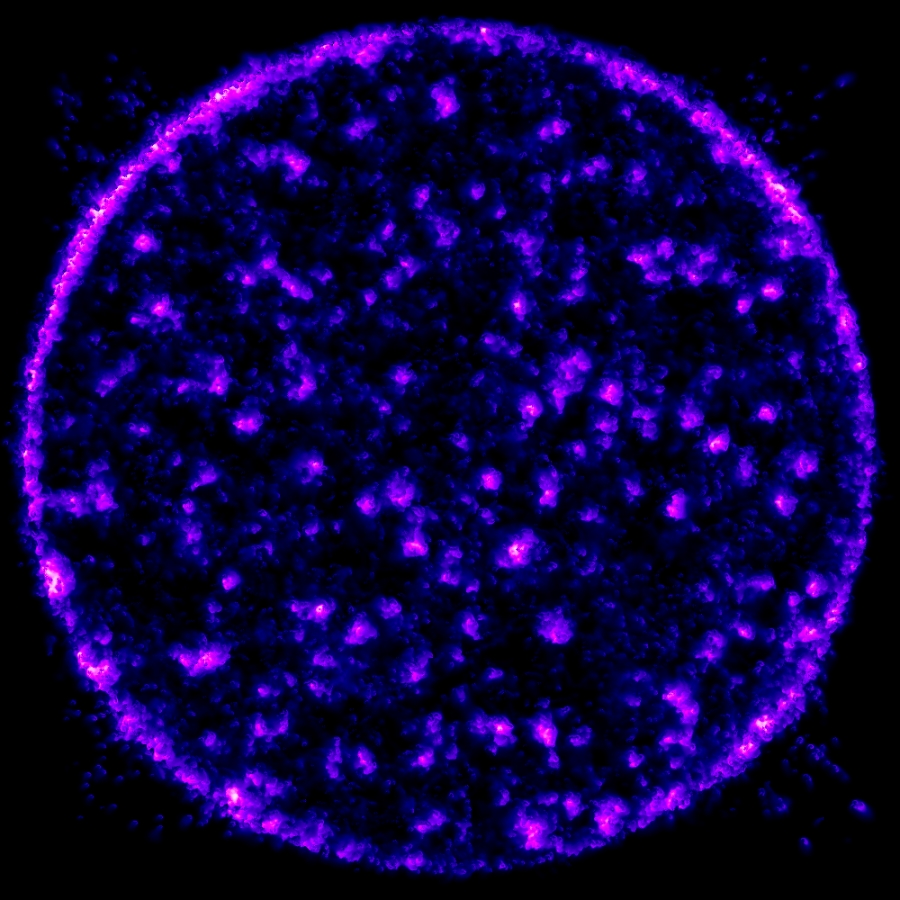
A famous saying indicates the eyes to be the portals of the soul, while a recent study shows the skin to be a useful portal to understanding the brain.
The journal Nature Medicine released a study this week in which they manipulated patients' skin cells into neurons in order to uncover what exactly goes wrong in the brain's exhibiting autistic symptoms.
Know the early symptoms of autism in children.
The study examined a disease known as Timothy syndrome, in which affected children typically meet the criteria for autism spectrum disorders. However, unlike autism, this disease is known to be caused by a single genetic mutation and is extraordinarily rare.
"Studying the consequences of a single mutation, compared to multiple genes with small effects, vastly simplifies the task of pinpointing causal mechanisms," explains Ricardo Dolmetsch, Ph.D.
From previous research, Dr. Dolmetsch and his teammates already knew that patients with Timothy syndrome suffered from a mutation causing excess calcium within cells. Although many patients die from the calcium's effects on the heart, scientists have yet to understand its full effects on the brain.
Nonetheless, researchers do understand this calcium defect to be associated with developmental delay, as well as autism. A new technology used induced pluripotent stem cells, translating the skin cells of Timothy syndrome patients first to stem cells and then into neurons.
Study co-author and the director of the National Institute of Mental Health, Thomas R. Insel, M.D., highlights, "unlike animal research, the cutting-edge technology employed in this study makes it possible to pinpoint molecular defects in a patient's own brain cells. It also offers a way to screen more rapidly for medications that act on the disordered process."
The study found the neurons derived from the patients to show an increased production of dopamine and norepinephrine and an abnormal presence of tyrosine hydroxylase. The increased neurotransmitters regulate the mood and behavior and are synthesized by tyrosine.
The study authors explain that the findings suggest that the channel the calcium mutation is present within "regulates the differentiation of cortical neurons in humans and offer[s] new insights into the causes of autism in individuals with Timothy syndrome."
Furthermore, Dr. Dolmetsch suggests that the mechanisms identified can lead to the development of new therapies and insight into the causation of autism.
All information on this site is provided “as-is” for informational purposes only and is not a substitute for medical advice or treatment. You should consult with a medical professional if you have any questions about your health.
More health news
 Mental Health
Autism in a Petri Dish
Effort replicates autism in the lab to study its molecular pathogenesis
Developmental Delay in Brain Provides Clue to Autism's Sensory Hypersensitivity
Developmental Delay in Brain Provides Clue to Autism's Sensory Hypersensitivity
New Research Indicates Autism Is Brain 'Connectivity' Disorder
New Research Indicates Autism Is Brain 'Connectivity' Disorder