
A Grimm's Sleepy Fairy Tale
Sleep deprivation goes along with bullying friends at school
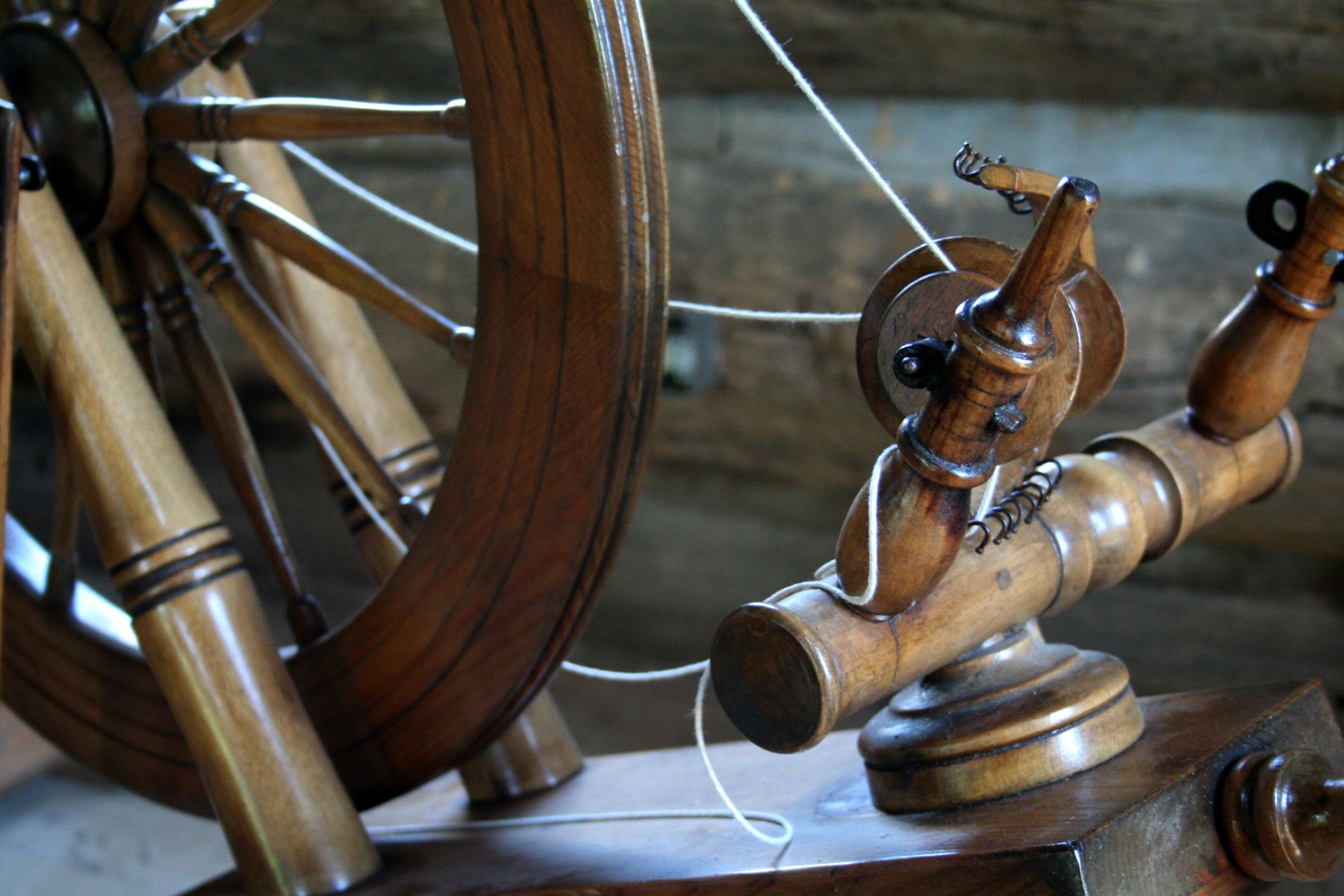
In The Grimm's Fairytale Rumplestilskin, a gnarly fellow stays up all night spinning straw into gold. Children who aren't getting enough sleep can become a grumpy Rumplestilskin too. This sleep deprivation can lead to bullying children at school.
A new study looked at elementary school students exhibiting conduct problems like bullying and discovered there was a two-fold higher risk for symptoms of sleep-disordered breathing, particularly daytime sleepiness among these students.
Children in elementary school need between 10-11 hours of sleep each night.
Louise O'Brien, Ph.D., assistant professor in University of Michigan's Sleep Disorders Center and the departments of Neurology and Oral and Maxillofacial Surgery reports the study raises the possibility that poor quality of sleep for young children somehow plays into bullying or other disruptive behaviors.
She continues to observe that schools do teach the importance of healthy eating and exercise, but good sleep is just as important to maintaining a healthy lifestyle.
O'Brien also explains that it is already known from prior research that the pre-frontal cortex part of the brain reacts to sleep deprivation. It makes sense that this same area of the brain is also related to social behavior, decision making and emotional control. These qualities are lacking in children who engage in bullying activities.
O'Brien did report some good news: These behaviors can be improved. Sleep-disordered breathing can be treated, and parents can provide an improved home environment which can encourage kids to get more sleep.
Recommends for parents to provide a healthier sleeping environment include removing computers, televisions and radios from bedrooms, making sleep a priority and encouraging children to sleep without interruption.
Children in pre-school should sleep between 11-13 hours a night, and elementary school children should sleep between 10-11 hours.
All information on this site is provided “as-is” for informational purposes only and is not a substitute for medical advice or treatment. You should consult with a medical professional if you have any questions about your health.
More health news
 Health News
Beating Bullying
Bullying examined and new approaches suggested
 Mental Health
Kids Need to Seize the Day
Childhood obesity prevention tips and strategies
 Mental Health
The Lord of the Flies Isn't Fiction
Loners, antisocial kids more likely to be bullied by peers