
Worked Up About Blood Work
Simple blood test may better predict future risk of heart attack
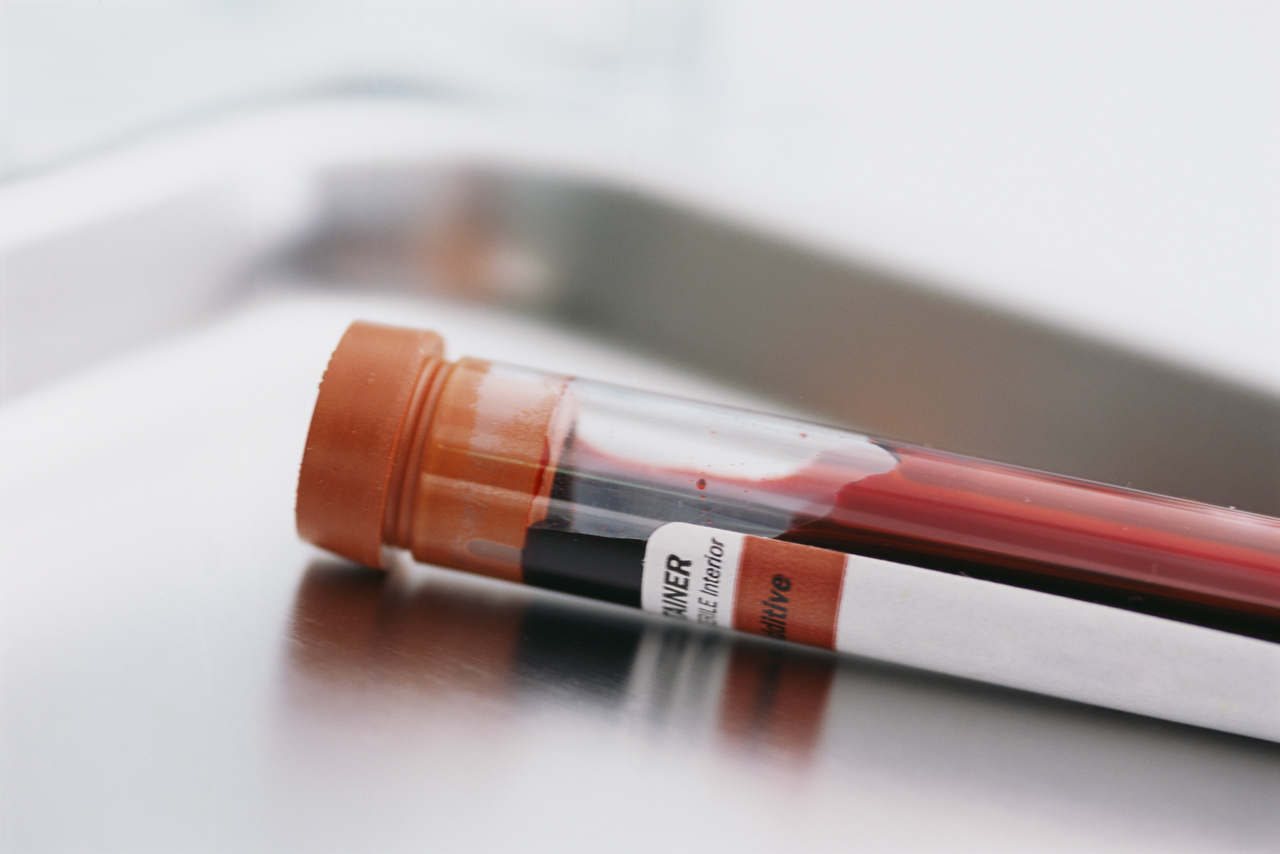
A blood test measuring the gamma-prime fibrinogen (a component of the blood's clotting mechanism) could help identify people at risk of heart attack, according a study from the Oregon Health & Science University.
Even when there are no other signs of cardiovascular trouble, such as high cholesterol or high blood pressure, present, elevated levels of gamma-prime fibrinogen indicate a higher risk of heart attack, said David H. Farrell, Ph.D., professor of pathology in the OHSU School of Medicine and a member of OHSU's Heart Research Center.
About 250,000 of the half-million patients who die of heart attacks each year have normal cholesterol, Farrell said. Some of these (normal-cholesterol) patients have high gamma-prime fibrinogen levels, he added.
"We think this is another risk factor we should test for," Farrell said.
The team of researchers analyzed 3,400 samples from the Framingham Heart Study, the oldest, most prestigious international cardiovascular study. They found patients with certain heart-attack risk factors (high cholesterol and body mass index, smoking and diabetes) also have elevated gamma-prime fibrinogen levels. For those with gamma-prime fibrinogen levels in the upper 25 percent, there was a seven-fold greater chance of having coronary artery disease, Farrell said.
All information on this site is provided “as-is” for informational purposes only and is not a substitute for medical advice or treatment. You should consult with a medical professional if you have any questions about your health.