
To Manage Diabetes, Take a Walk
Short walks after meals may improve blood sugar for patients with type 2 diabetes
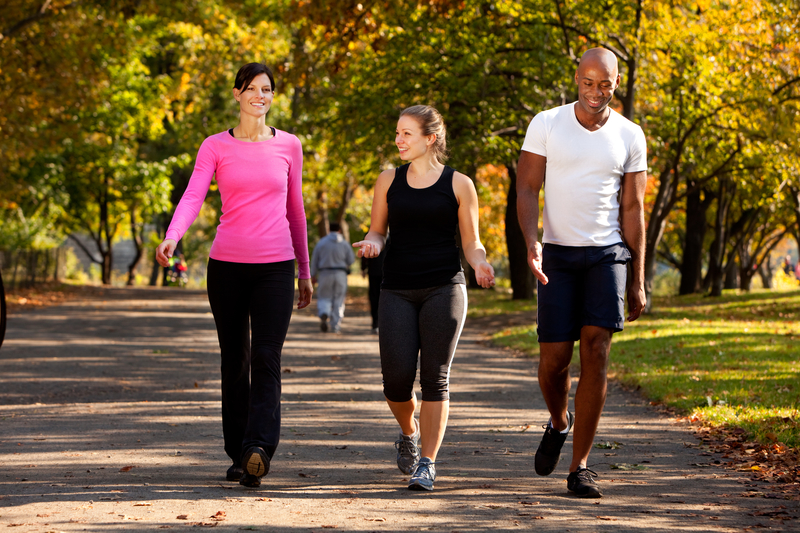
Taking a brief walk after meals may help patients with type 2 diabetes manage their blood sugar more effectively, a new study found.
This small study, conducted by University of Otago, New Zealand, researchers, found that walking after eating may produce more blood sugar-lowering benefits than walking at other times of the day.
And the post-meal walks don't have to be lengthy, these researchers found. Walking for 10 minutes after each of the day's three meals appeared more effective at lowering blood sugar than walking for 30 minutes at any other time of the day.
Among the 41 study participants, blood sugar taken after eating dropped by 12 percent on average for the post-meal walkers than it did for the anytime walkers, these researchers found.
The study authors noted that blood sugar levels after meals are important measures for patients with type 2 diabetes to watch and try to control. In type 2 diabetes, the body does not respond to insulin the way it should or the body does not produce enough insulin, a hormone that helps maintains blood sugar. Unmanaged diabetes can lead to other serious health problems.
This study was published in the journal Diabetologia.
Grants from the University of Otago and the New Zealand Artificial Limb Service funded this research. Information on potential conflicts of interest was not available at the time of publication.
All information on this site is provided “as-is” for informational purposes only and is not a substitute for medical advice or treatment. You should consult with a medical professional if you have any questions about your health.
More health news
 Features
The Decade in Diabetes
New treatments for type 2 diabetes give patients more power over their disease
 Features
Seven Ways to Make Thanksgiving Healthier
Thanksgiving dinner can still be a delicious splurge without packing on pounds
 Health News
A Stronger Walk for MS Patients Possible
MS muscle test identifies mobility challenges early on