
Shocking, Arresting News
Shockable cardiac arrests more common in public than in home: study
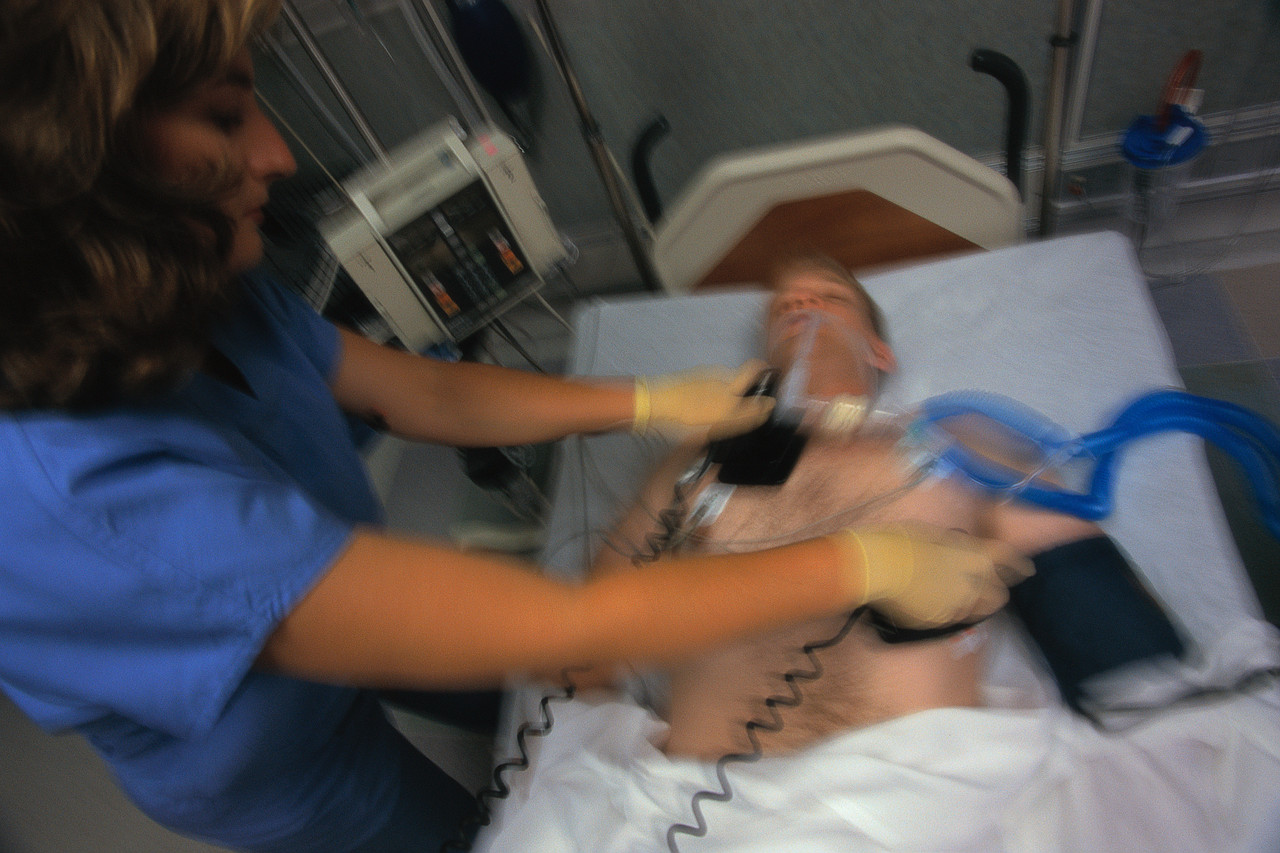
Shockable arrests (cardiac arrest treated by electric stimulation) are more prevalent in public settings than in the home.
A National Institute of Health study compared home and public cardiac arrest rates using various criteria, such as whether bystanders or emergency medical services (EMS) personnel witnessed the event or whether the afflicted individual was treated with an automatic external defibrillator (AED).
A higher percentage of cardiac arrests were classified either as ventricular tachycardia (VT) or ventricular fibrillation (VF), both of which can be effectively treated with AED. More than 30 percent of patients treated with an AED device in public survived compared to only 12 percent of patients treated with AED at home.
The results of both are greater than the roughly eight percent national average of cardiac arrest survival.
Susan Shurin, M.D., acting director of the National Heart, Lung, and Blood Institute (NHLBI) said the study provides clinical data that "indicate the need for further evidence to guide clinical practice and public policy."
Incidences of VT/VF arrests have declined over the years, but are still a fairly common occurrence in public settings, according to Myron Weisfeldt, M.D., a cardiologist at Johns Hopkins University in Baltimore and lead author of the study, who added the study results indicate a need for AEDs in public and at home.
Cardiopulmonary resuscitation (CPR) and medical defibrillators (such as AEDs) are the only other means of reviving someone who has experienced cardiac arrest, according to the American Heart Association.
All information on this site is provided “as-is” for informational purposes only and is not a substitute for medical advice or treatment. You should consult with a medical professional if you have any questions about your health.
More health news
 Features
Heart Stoppers: Two Emergencies Often Confused
Cardiac arrest and heart attack are often seen as the same but require different treatments
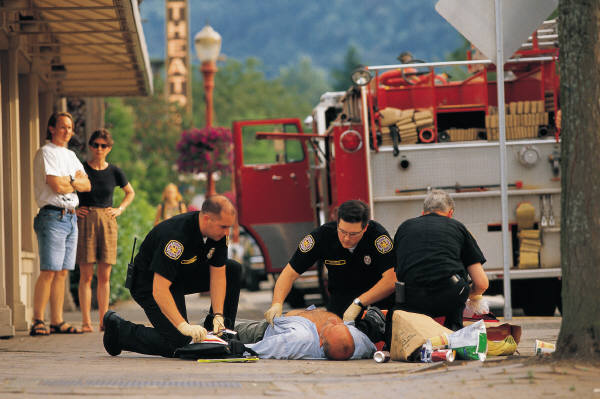 Health News
Most Cardiac Arrest Patients Far From AEDs
Automated external defibrillators present at few cardiac arrest sites
 Features
Athletes & Sudden Cardiac Arrest
Sudden cardiac death is preventable with screening and medical intervention with most cases