
TV Lowers Self-Esteem
Self worth linked to time spent in front of television in preadolescents
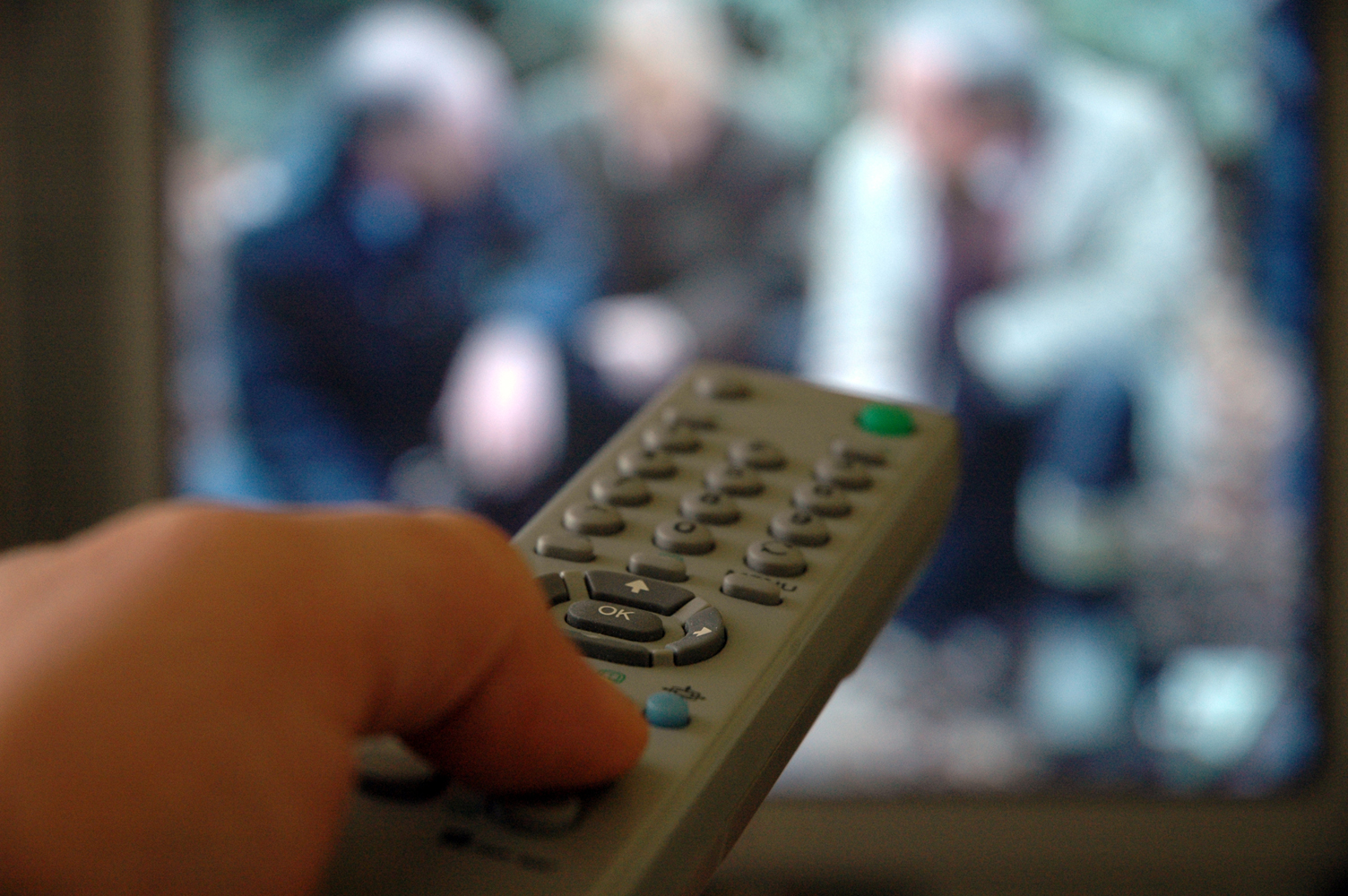
Children are spending more and more time in front of the TV and other types of media. Does this affect their self esteem? Do race and gender play a role?
A new study suggests that time in front of a TV does lower the self esteem of preadolescents.
Set limits on the amount of TV your children can watch.
The study was conducted by Nicole Martins, PhD, assistant professor of telecommunications in the IU College of Arts and Sciences, and Kristen Harrison, PhD, professor of communication studies at the University of Michigan.
"Children who are not doing other things besides watching television cannot help but compare themselves to what they see on the screen,” says Harrison.
The researchers had 396 black or white preadolescents respond to a questionnaire about TV exposure during various times of the day. They also completed the Lawrence Self-Esteem Questionnaire, the standard used to measure self worth at this age group.
After one year, the researchers returned and gathered data to measure changes in this activity.
Other ethnicities participated but, due to low turnout, the responses were not statistically significant.
The researchers found that an increase in time spent in front of TV was linked to a lower self esteem for all girls and black boys. However, self esteem was raised in white boys.
"Regardless of what show you're watching, if you're a white male, things in life are pretty good for you, If you are a girl or a woman, what you see is that women on television are not given a variety of roles," said Martins.
"This sexualization of women presumably leads to this negative impact on girls," she continued. "Young black boys are getting the opposite message: that there is not lots of good things that you can aspire to."
The study was published in the June 2012 edition of the journal Communication Research and was funded by the William T. Grant Foundation.
All information on this site is provided “as-is” for informational purposes only and is not a substitute for medical advice or treatment. You should consult with a medical professional if you have any questions about your health.
More health news
 Mental Health
What Is Sponge Bob Teaching Kids?
Social bullying in kids shows occurs frequently in humorous situations that send the wrong message
 Mental Health
Cosmetic Surgery Linked to Reality TV Exposure
Teens who watch programs more likely to undergo surgery
 Mental Health
U R so ugly, lol :-P
Cyberbullying rates among teens high enough to merit more attention