
Give Kids a Brain Boost with Exercise
Self control of kids and young adults boosted with short bouts of intense exercise
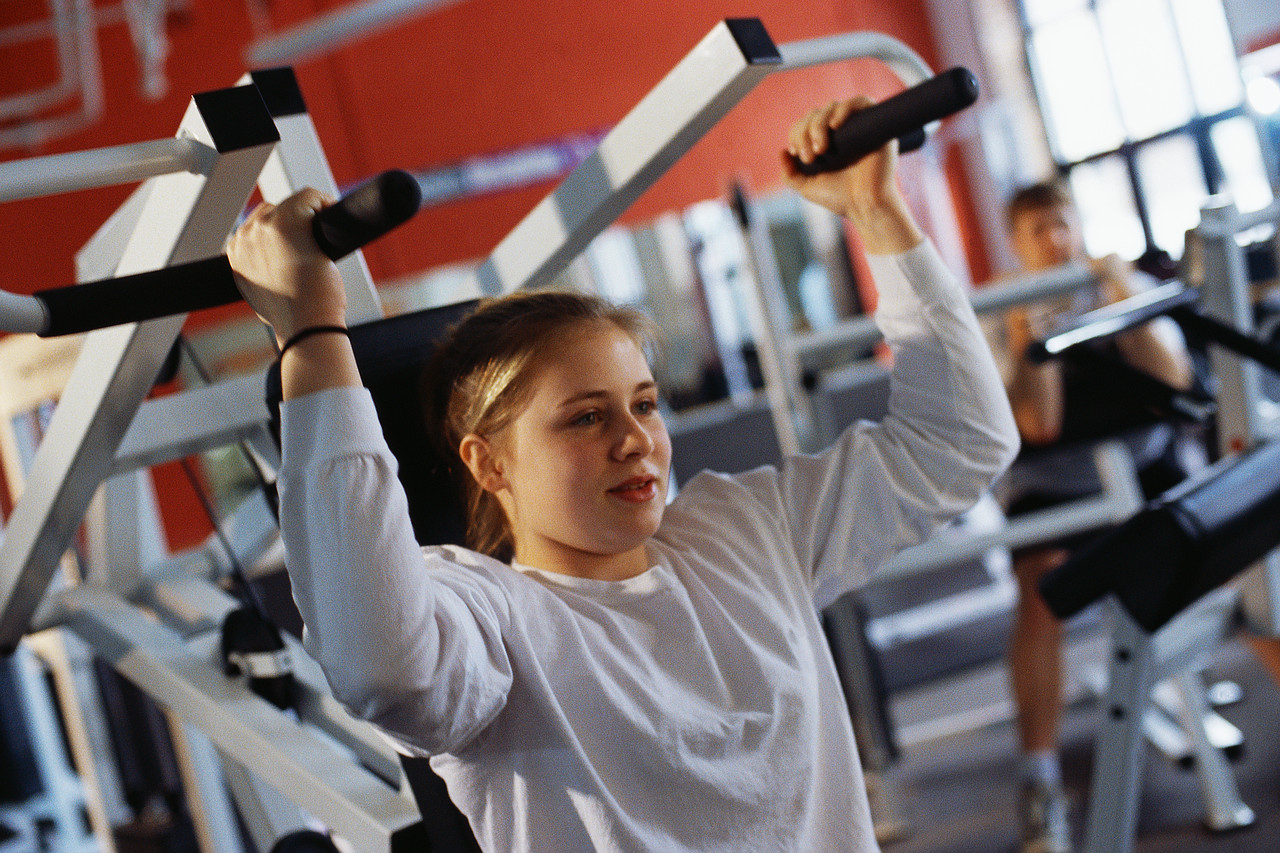
Ever heard someone tell you that a particularly rambunctious child simply needs more exercise? Well, there may be something to that after all – for people of all ages.
A recent study found that short bursts of moderately intense exercise might actually increase a person's self-control.
These researchers found that fairly intense physical activity lasting 10 to 40 minutes improved the "inhibition" – or ability to restrain yourself from behaviors – of kids, teens and young adults.
Kids need regular exercise.
The study, led by Lot Verburgh, a PhD candidate in the Department of Clinical Neuropsychology at VU University Amsterdam in the Netherlands, reviewed available research on the effects of physical exercise on individuals' executive functions.
Executive function refers to the collections of brain processes that involve planning, memory, attention, problem-solving, reasoning, multi-tasking, self-control and other related brain functions.
The authors looked at previous research for three different age groups: children aged 6 to 12, teens aged 13 to 17 and adults aged 18 to 35. They identified a total of 24 studies related to exercise and executive functions.
Five of these studies looked at the impact of regular exercise on brain functions, and 19 studies looked at short sessions of exercise, lasting about 10 to 40 minutes. Regular exercise was defined as multiple training sessions each week which lasted six to 30 weeks.
An analysis of the 19 studies, which involved a total of 586 participants, showed that short bursts of exercise enhanced individuals' executive functioning. These results applied to all three age groups.
In particular, the 12 studies that measured self-control found that short bouts of exercise improved individuals' inhibition, or self-control, in all three age groups.
"This is highly relevant in preadolescent children and adolescents, given the importance of well-developed executive functions for daily life functioning and the current increase in sedentary behavior in these age groups," the researchers wrote. "Inhibition is essential for regulation of behavior and emotions in social, academic and sport settings."
They noted that children with attention deficit hyperactivity disorder (ADHD) might particularly benefit from periods of moderately intense physical activity.
In terms of memory skills, only four studies measured the impact of exercise, and they focused on young adults only. These studies' results were inconsistent, so the researchers could not determine whether short bursts of exercise specifically improved a person's working memory.
The researchers suspect that the reason self-control appeared boosted by exercise is that the physical activity improved blood flow to individuals' brains – particularly to the pre-frontal areas that control executive functions.
The five studies looking at regular exercise did not show a similar overall effect. However, the evidence from these studies, based on 358 individuals, was not really sufficient to determine whether regular exercise did or did not have positive effects on brain functioning.
The results of these studies were inconsistent, so more studies would be necessary to find out.
The study was published March 6 in the British Journal of Sports Medicine. Information regarding funding was unavailable. The authors declared no conflicts of interest.
All information on this site is provided “as-is” for informational purposes only and is not a substitute for medical advice or treatment. You should consult with a medical professional if you have any questions about your health.
More health news
 Health News
Teen Athletes Aren't Always Hard-Headed
Concussions from sports appear to cause greater damage in teens than in adults or children
 Clinical Trials
Timing of Therapies Boosts Cancer Survival Rates
Stage III lung cancer survival improved with concurrent radiation and chemotherapy
 Natural
Weekly Exercise Cuts Men's Heart Risks
Good cholesterol boost from three hours of exercise