
Don't Take More of What You Don't Need
Selenium supplements for people who already have enough may cause more harm than good
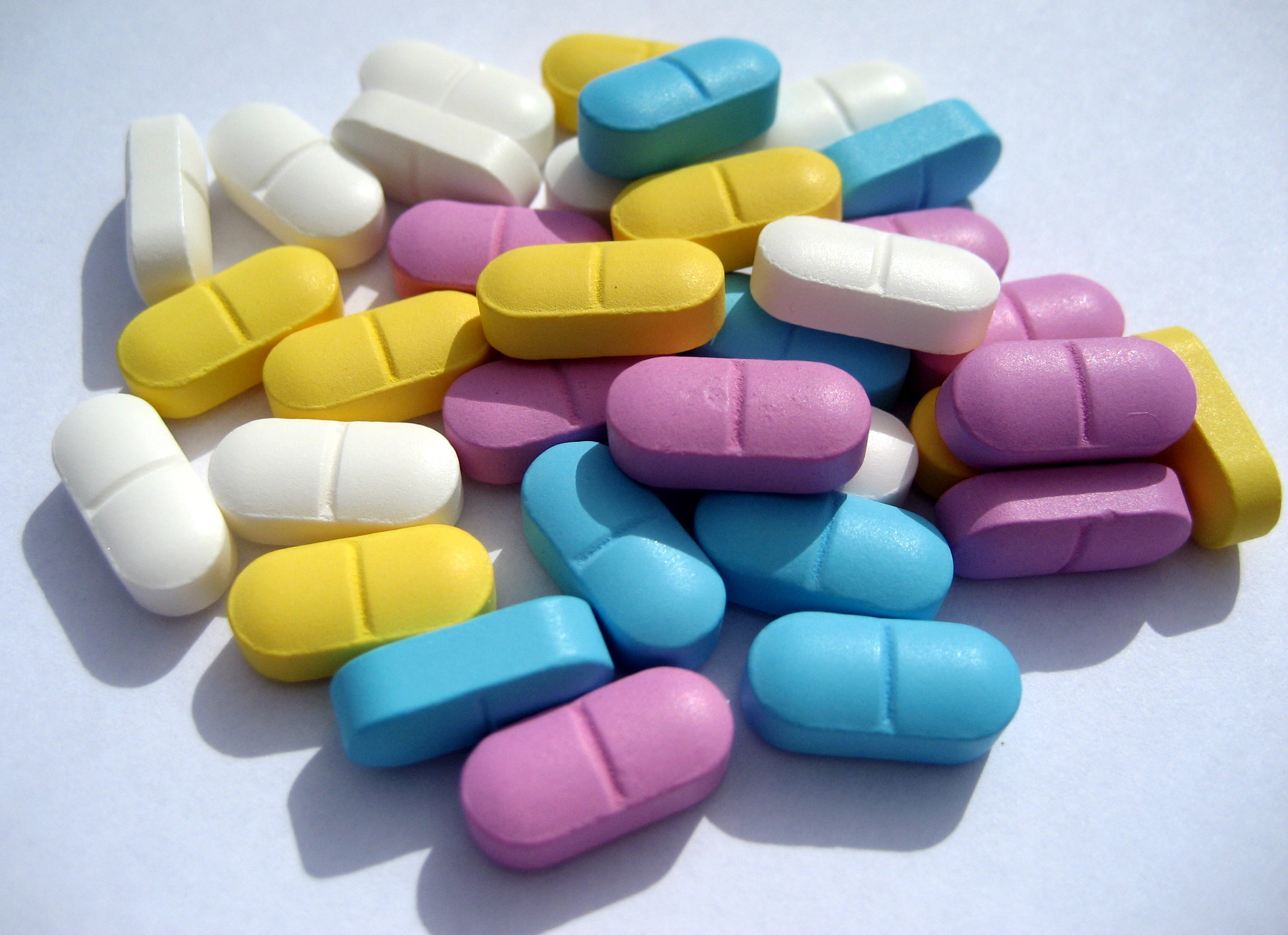
Before popping a multi-vitamin, you might check the label to see how much selenium it has. Too much of this beneficial mineral can cause health problems, and you may already get enough.
Supplementing your diet with selenium is helpful if you're not getting enough, but most people in the U.S., Canada, Japan and Venezuela tend to consume sufficient amounts of selenium without needing the extra dose.
Only take selenium supplements if you're not getting enough already.
The additional amounts, therefore, may not only be unnecessary but potentially harmful, according to a review of research on the mineral conducted by Margaret Rayman, of the University of Surrey in the U.K.
Having too little selenium in a person's diet is associated with a higher risk of cognitive and immune system problems.
Having a healthy, high intake has been linked to enhanced male fertility, better resistance to viruses and even a lower risk of prostate, lung, colorectal system and bladder cancers.
But clinical trials about the effectiveness of selenium to offer these benefits are not consistent - and Rayman suspects that inconsistency results from differences in people's baseline levels of selenium before taking supplements.
If people are already getting an adequate amount of selenium, supplements don't offer much benefit, she said. And too much of a good thing might cancel out those beneficial effects with a different set of problems, including a higher risk for type-2 diabetes.
The studies covered in the review did not have consistent conclusions regarding an association between type-2 diabetes and selenium, but it tended to show an association in those studies where the participants likely already had enough selenium intake before adding supplements. More study would be necessary to clarify the association.
Rayman found that the majority of large-scale clinical trials involving selenium have taken place in the U.S., where residents tend to have healthy levels of selenium already.
She said more studies are necessary in areas where people have inadequate levels of selenium to better understand how supplements may be helpful and what the mineral's effects are.
She also recommends further study regarding possible connections between a person's selenium consumption and his or her genetic background, which may or may not play a part in what benefits the body can reap from additional selenium intake.
The research appeared online ahead of print February 28 in The Lancet. The author received funding from Wassen International for a fellowship and from Pharma Nord for a study of plasma selenium in 1200 pregnant women.
All information on this site is provided “as-is” for informational purposes only and is not a substitute for medical advice or treatment. You should consult with a medical professional if you have any questions about your health.
More health news
 Natural
One Mineral May Lower Prostate Cancer Risk
Prostate cancer risks lower in men with highest selenium levels
 Natural
The Cold War
Ward off colds and flu this season with higher intakes of vitamins A, C and E, selenium and zinc
 Natural
Top 10 Foods to Lower Cholesterol
Boost your health with foods designed to naturally cut your cholesterol