
Saving All the "Bubble Boys"
Screening newborns for SCID, an immunodeficiency disorder, improves survival rates
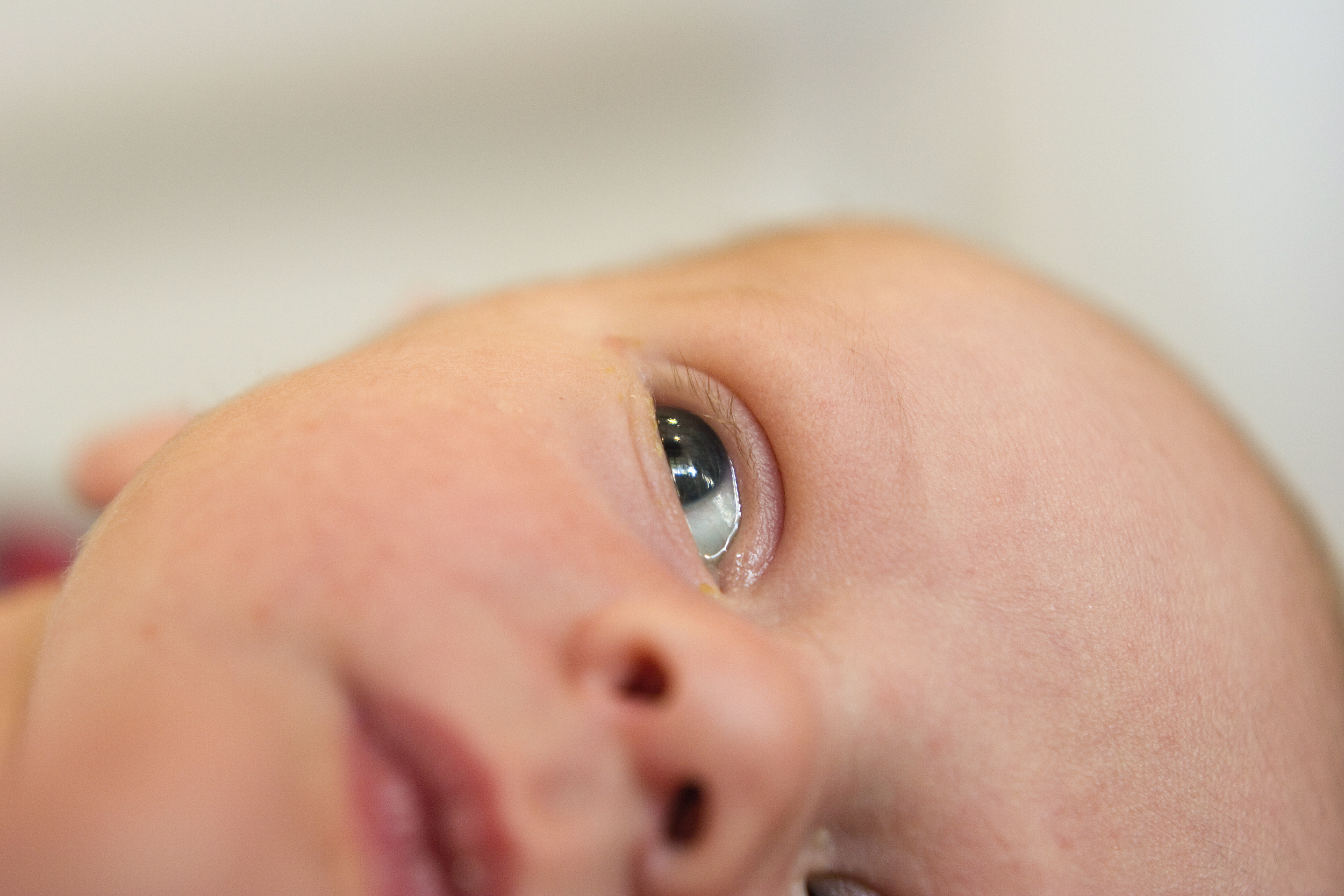
Researchers have found that screening newborns for severe combined immunodeficiency (SCID) substantially improves their survival.
The study, which appears in the journal Blood, illustrates how babies who are screened and diagnosed at birth with SCID and then receive a hematopoietic stem cell transplant (HSCT) have an increased chance of survival.
Severe combined immunodeficiency, which is often referred to as "bubble boy disease," affects one out of 50,000 to 100,000 newborns in the United States. It is characterized by defects in the white blood cells that normally protect the body from infection. Consequently, those who suffer from SCID have almost no immune defense, putting those patients at an extremely high risk of deadly infections. Hematopoietic stem cell transplant from the bone marrow of a healthy person is considered the most effective treatment for SCID.
According to the Immune Deficiency Foundation, a bone marrow transplant within the first three and a half months of life will improve a SCID patient's survival rate by as much as 94 percent. In light of this, senior author of the study Dr. H. Bobby Gaspar, Professor of Pediatrics and Immunology at University College London and colleagues wanted to see if early screening and diagnosis could improve survival rates by identifying sooner those newborns who needed a bone marrow transplant.
The researchers compared the survival outcomes of 60 babies with an early diagnosis (at or before birth) of SCID to the outcomes of their relatives who also had the disorder but were diagnosed later. They found that babies diagnosed at birth had substantially fewer infections and received a transplant much earlier. The early-diagnosed babies also had significantly better survival outcomes.
According to Dr. Gaspar, only a limited number of US states are currently screening newborns for SCID. In view of his study's results, Gaspar urges more states and other countries to adopt newborn screening practices in order to save many lives.
All information on this site is provided “as-is” for informational purposes only and is not a substitute for medical advice or treatment. You should consult with a medical professional if you have any questions about your health.
More health news
 Prescription Drugs
First Cord Blood Product Gets FDA Stamp of Approval
Blood product HEMACORD approved
 Prescription Drugs
First Baby Cured of HIV
HIV cured in Mississippi toddler
 Prescription Drugs
An end to Drugs After Organ Transplant?
Stem cells may save kidney transplant recipients from taking medications the rest of their lives