
Big-Hearted, Ill-Fated
Scientists successfully prevent hypertrophic cardiomyopathy (thickening of heart muscle) in mice
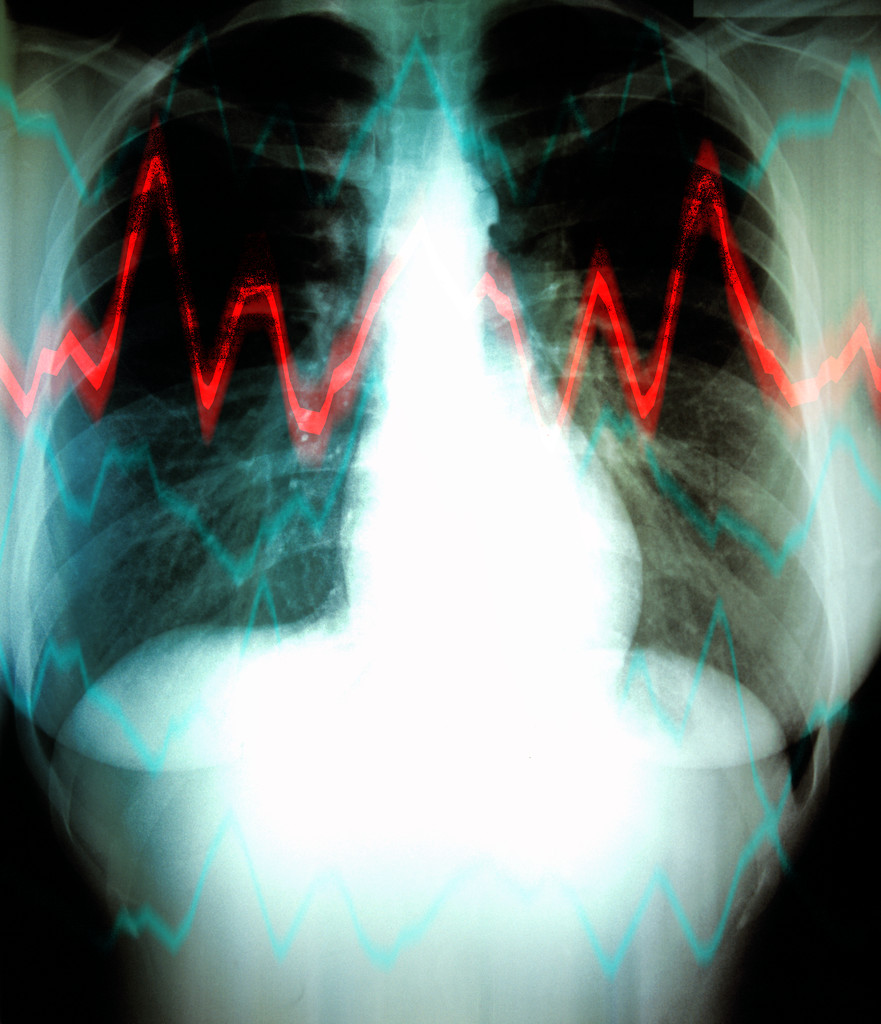
Scientists have introduced congenital heart disease-causing mutations in mice and then successfully treated hypertrophic cardiomyopathy (HCM) -- the thickening of heart muscle.
The researchers looked at how a cluster of congenital diseases collectively known as "RASopathies" (defects caused by mutations in different genes in the RAS pathway) develop. Specifically they looked at two diseases in which hypertrophic cardiomyopathy (HCM) is common: 1. Noonan Syndrome, which causes stature, facial, blood and cardiovascular abnormalities; and the less prevalent 2. LEOPARD Syndrome, which is characterized by short stature, skin, facial, skeletal and cardiovascular abnormalities.
Hypertrophic cardiomyopathy (HCM) accounts for a large number of sudden deaths in children and young adults, but now scientists at University Health Network (UHN), Toronto, and Beth Israel Deaconess Medical Center (BIDMC), Boston, have demonstrated two drugs that prevented HCM in mice with congenital heart disease. One of the drugs is currently approved as an immunosuppressant and the other has been FDA-cleared as an anti-cancer treatment.
Dr. Benjamin Neel, director of the Ontario Cancer Institute, which includes The Campbell Family Cancer Research Institute, said that by studying two mutated pathways and discerning the mechanism by which these pathways cause congenital disease, researchers were able to identify potential therapeutic targets for human disease, including HCM.
All information on this site is provided “as-is” for informational purposes only and is not a substitute for medical advice or treatment. You should consult with a medical professional if you have any questions about your health.
More health news
 Health News
Expect Longevity With Heart Muscle Disease
Hypertrophic cardiomyopathy patients can live normal life spans
 Health News
Gene Mutation Linked to Heart Failure Discovered
TTN gene mutation linked to heart failure
 Clinical Trials
Genetic Heart Disease Can Be Detected
Patients with Genetic Mutation Already Have Weaker Heart