
Adrenaline Rush ... or Tumor?
Scientists identify 12 new potential variations of genetic mutations linked to adrenal-gland tumors
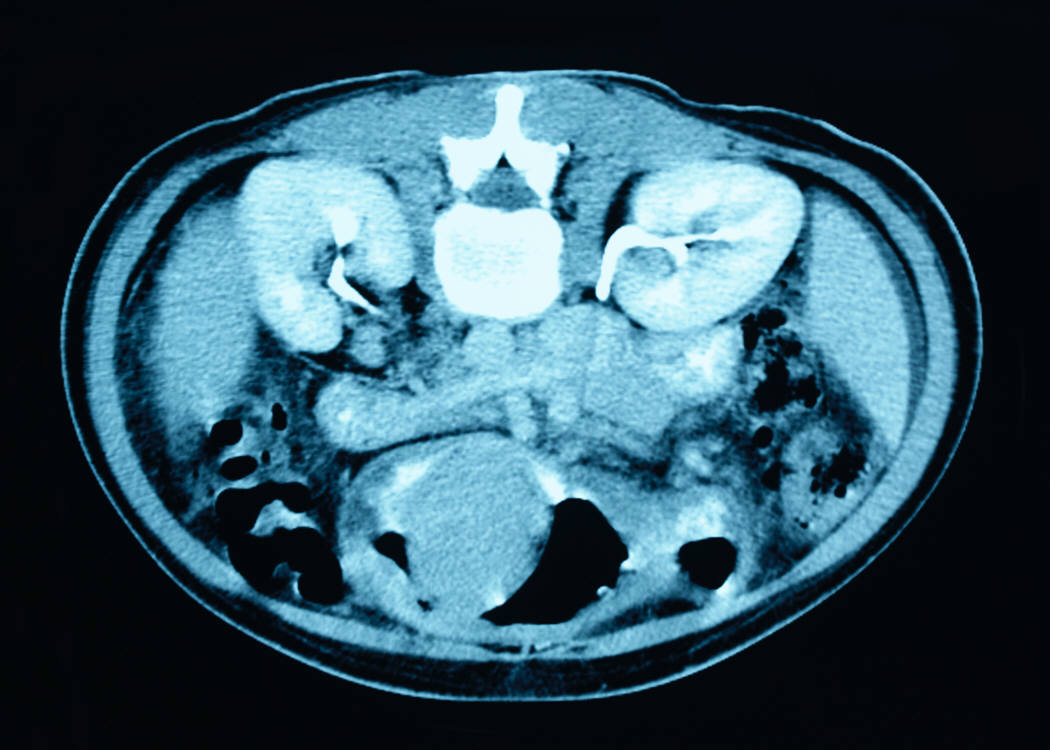
Scientists have identified 13 new potential variations of genetic mutations associated with adrenal-gland tumors, known as pheochromocytomas.
Pheochromocytomas can affect the adrenal gland located above the kidney, resulting in symptoms that include high blood pressure, headaches, heart palpitations, nausea and vomiting from too much adrenaline released in the system. The tumors are usually benign but can be cancerous.
Scientists discovered a total of 19 mutations in the FP/TMEM127 gene in 20 patients (out of 1,000 enlisted in the study), which may be associated with pheochromocytomas in the adrenal gland. Of these, 13 mutations were new discoveries, while the remainder had been previously reported.
"These observations support the existence of additional pheochromocytoma susceptibility genes, which may account for some of the genetically undefined cases," the authors wrote.
All information on this site is provided “as-is” for informational purposes only and is not a substitute for medical advice or treatment. You should consult with a medical professional if you have any questions about your health.
More health news
 Mental Health
How Stress may Impact Recovery
Stress management and cancer response link examined
 Natural
Genetic Mutation Hikes Blood Pressure
Gene KCNJ5 prompts sodium retention and hypertension
 Health News
Congenital Adrenal Hyperplasia in Newborns
Experts recommend universal screening for genetic disorder