
RoboTeacher
Robot helps children learn how to operate wheelchairs
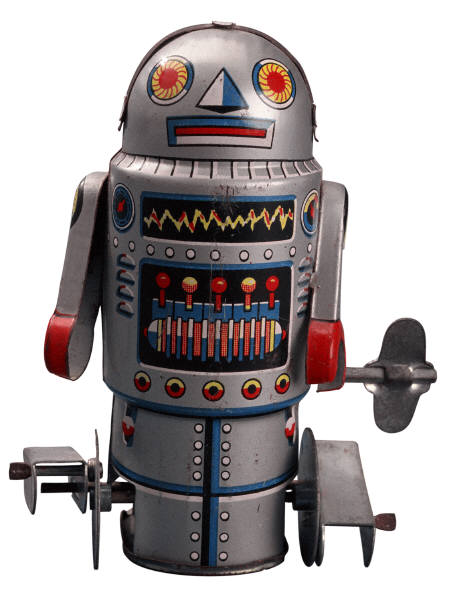
ROLY (RObot-assisted Learning for Young drivers) teaches child wheelchair users how to get where they're going with minimum assistance.
A new study from the University of California, Irvine, finds the teaching technique, which replaces expensive, labor-intensive assistance from a skilled therapist, lowers cost for recipients and improves accessibility to training for powered wheelchair operators.
The study followed a group of children without disabilities and one child with cerebral palsy. (Cerebral palsy, thought to be a combination of disorders, can involve brain and nervous system functions such as movement, hearing, vision, reasoning and cognition.)
The children learned how to operate their wheelchairs by learning to chase a small robot along a painted line on the floor. A joystick steering device, which was found to enhance learning in both non-disabled children and the child with motor impairment, also delivers physical assistance to the driver at varying levels according to performance.
When the robot is captured, it performs a tune and dances.
Laura Marchal-Crespo, who worked with researchers at the UC-Irvine to carry out the study, said the ultimate goal is to create a training experience that rates with the fun children experience while riding amusement park rides.
All information on this site is provided “as-is” for informational purposes only and is not a substitute for medical advice or treatment. You should consult with a medical professional if you have any questions about your health.
More health news
 Health News
Robots in the Operating Room
Bladder cancer removal improved outcomes with robotic assistance
 Clinical Trials
Brain Cap Changes Thought into Motion
Prosthetic limbs controlled by thought
 Health News
A Wheelchair that Sees
Researchers are developing an electric-powered wheelchair that adapts to different terrains