
Teeth Eater
Researchers identify new bacterium associated with early childhood dental caries
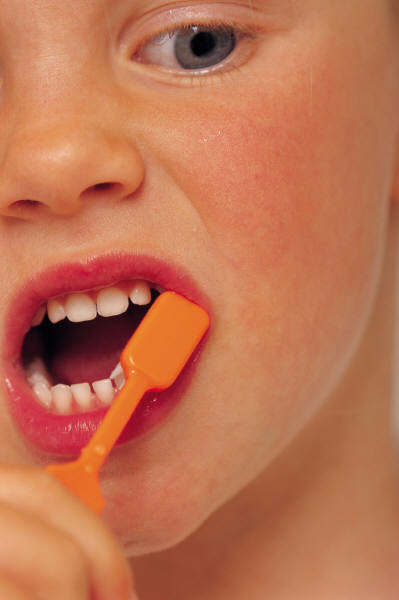
Researchers have discovered a new type of bacteria associated with severe cavities in early childhood.
Led by Anne Tanner, B.D.S., Ph.D., of the Department of Molecular Genetics at The Forsyth Institute, researchers found that the bacterium Scardovia wiggsiae was in the mouths of children with severe early childhood caries (cavities), while other bacterial causes of the disease (such as Streptococcus mutans) were not detected.
Dental caries - the most common chronic infectious disease among U.S. children - is caused by a combination of bacteria, patient vulnerability, and a high-sugar diet. Research has shown that Streptococcus mutans is the principal cause of early childhood caries. However, the bacterium is also present in people without dental caries. Furthermore, in some cases of childhood caries, Streptococcus mutans is not detected.
This leads researchers to believe that other species of bacteria - such as the one identified in this study, Scardovia wiggsiae - play an important role in causing dental caries.
Dr. Tanner concludes by saying that she has seen the significant public health impact of early childhood caries. The link between Scardovia wiggsiae and dental caries is another step towards understanding the causes of the disease, and thus one step closer to a cure.
Early childhood caries is a chronic infectious disease that can destroy primary teeth and cause painful abscesses (collections of pus). It is one of the primary reasons for hospital visits among young children. The disease disproportionately affects groups of lower socio-economic status.
In the United States, more than 19 percent of children two to 19 years of age have untreated cavities.
The study from the Forsyth Institute will appear in the April issue of the Journal of Clinical Microbiology.
All information on this site is provided “as-is” for informational purposes only and is not a substitute for medical advice or treatment. You should consult with a medical professional if you have any questions about your health.
More health news
 Natural
The Thanksgiving Food Fight for Your Teeth
New research into foods that help prevent tooth decay
 Health News
The Best Way to Look After Kids' Teeth
Fluoride varnish may reduce cavities in children at high risk
 Clinical Trials
Cavity Causing Bacteria Linked to Lethal Heart Infection
Scientists discover how dental bacteria invades heart