
Finding Room To Breathe
Researchers discover method for early detection of scar tissue build-up in lung transplant recipients
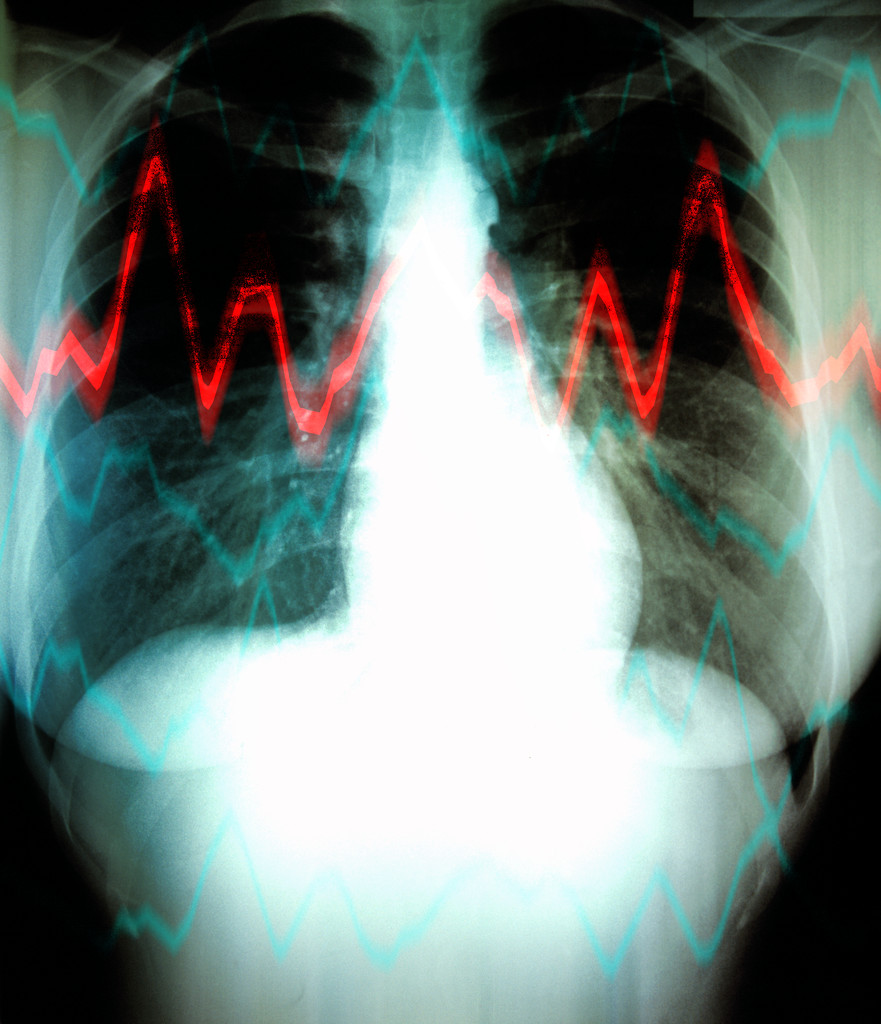
Lung transplant recipients can experience a number of side effects after surgery such as the inability to feel the urge to cough when they need to expel lung secretions.
Another side effect is called bronchiolitis obliterates syndrome (BOS), which occurs when excess scar tissue clogs air pathways in the lungs, thus cutting off the patient's ability to breathe.
BOS, which has no cure, is the primary cause of death of lung transplant recipients after one year. However, a recent study may have identified a new method for diagnosing the syndrome early enough to intervene and save patients' lives.
Researchers from the University of Michigan have discovered a relationship between the number of stem cells in recipients' lungs and the risk of developing BOS. Vibha Lama, M.D., M.S., assistant professor of pulmonary and critical care medicine at the University of Michigan Medical School, and colleagues analyzed lung fluid samples from 162 transplant recipients. They found that, six months after operation, those with a higher stem cell count in their lungs had a greater risk of developing BOS than those exhibiting lower counts.
According to Vibha, current methods of BOS detection can diagnose the syndrome only after the lungs have been significantly damaged. As such, this finding has the potential to reduce the number of deaths caused by BOS.
All information on this site is provided “as-is” for informational purposes only and is not a substitute for medical advice or treatment. You should consult with a medical professional if you have any questions about your health.
More health news
 Health News
Fighting Infections After Transplant
Kidney transplant recipients may benefit from waiting to treat cytomegalovirus infection
 Prescription Drugs
An end to Drugs After Organ Transplant?
Stem cells may save kidney transplant recipients from taking medications the rest of their lives
 Health News
Stem Cell Transplant Recipients Prone to Problems
Hematopoietic Cell Transplantation patients at higher risk of psychological or chronic health issues