
Lab-Grown Blood Vessels a Reality
Researchers create synthetic blood vessels that actually work
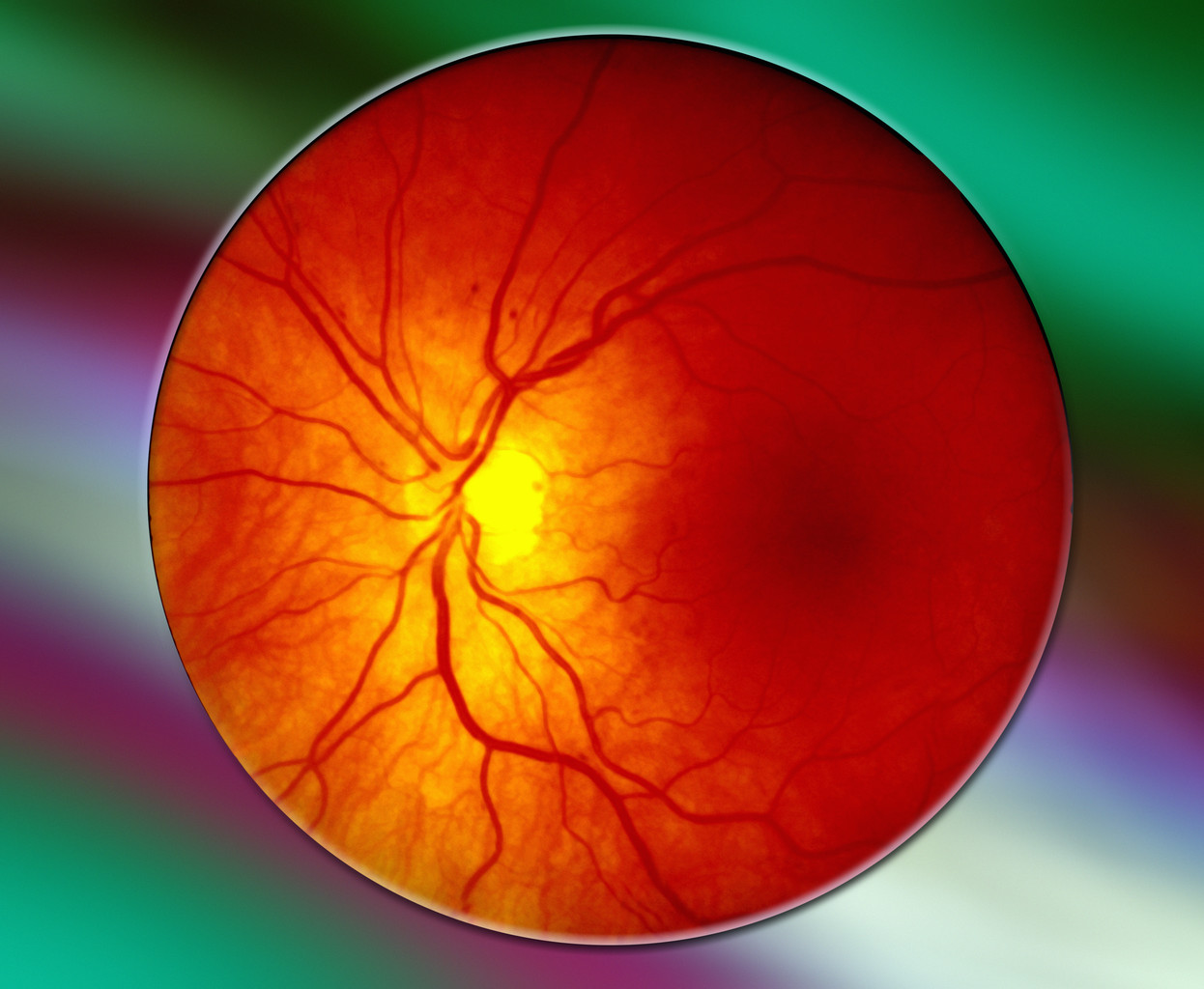
Researchers in Texas have achieved a major feat in the field of regenerative medicine, successfully creating lab-grown blood vessels that function in mice.
Regenerative medicine is a growing branch of medicine that seems straight out of a science fiction movie. It involves the creation of artificial organs, lab-grown tissues and cells to either assist in the healing process or replace damaged parts of the body.
Recently, the field of regenerative medicine jumped a major hurdle in growing transplantable tissue. Scientists at Rice University and Baylor College of Medicine have discovered how to grow the components necessary to keep tissues alive: blood vessels and capillaries.
Without blood supply, it is difficult to grow a tissue structure in a lab that will be thick enough and strong enough for use. Backed by 10 years of research, the team of researchers modified a non-toxic plastic to imitate the cellular network that makes up a large part of most tissues.
The team then combined this modified plastic with cells necessary for creating blood vessels, in addition to gels containing living cells. Astonishingly, the cells began to form capillaries (small blood vessels) through the soft plastic.
These gels were then placed in the corneas of mice, the cornea being the transparent front part of the eye where no blood vessel structure exists. Eventually, normal blood flow began into the lab-grown capillaries.
The team also created a new technique that will allow them to grow blood vessels in more specific patterns by controlling how the cells move and grow.
All information on this site is provided “as-is” for informational purposes only and is not a substitute for medical advice or treatment. You should consult with a medical professional if you have any questions about your health.
More health news
 Health News
Lab-Grown Vein Implanted in Kidney Patient
Kidney disease patient is first in US to receive bioengineered blood vessel
 Clinical Trials
Patients Receive Blood Vessels Made From Donor Cells
End Stage Renal Disease patients get first vascular grafts from vessels grown in lab
 Prescription Drugs
Diabetes Combo Therapy Attacks Melanoma
Melanoma with BRAF mutation may respond to metformin and VEGF A inhibitor