
Circadian Rhythm and Blues
Research aims to correct disruptions to body's internal "clock"
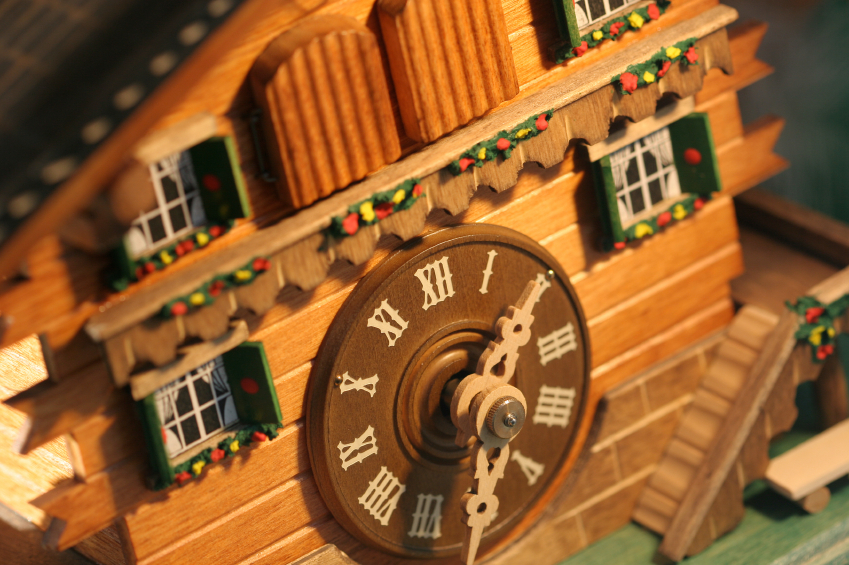
The Scripps Research Institute has been granted over $3 million to develop molecular compounds to help fight disorders related to our body's "circadian rhythm," or internal clock.
There are an estimated 70 million Americans suffering from some kind of sleep disorder, be it insomnia, sleep apnea or snoring. These disorders not only affect the quality of life and energy of sufferers; they also take a toll on overall health and can contribute to other severe disorders.
Our circadian rhythm is our internal clock that regulates our body over a 24-hour period. It is this daily cycle that tells us when to rest and when we should be active. Disruptions to the circadian rhythm are the impetus to sleep disorders, as well as mental illnesses like bipolar disorder and schizophrenia.
Recently, the Scripps Research Institute was awarded a grant of over $3 million to develop compounds that will correct abnormalities in circadian rhythm. Thomas Burris, a professor in the Department of Molecular Therapeutics, says the team already has "an initial lead" they believe "will result in several new and more effective compounds."
The study will focus on nuclear receptors, which are proteins found within cells that regulate the body's hormones and various processes, such as metabolism and the circadian internal clock. These receptors can be manipulated with the use of molecules to correct a number of health disorders.
Nuclear receptors are considered "tempting drug targets" because of their ability to bind directly to genes and DNA. A subgroup of receptors called "retinoic acid receptor-related orphan receptors" (RORs) are directly involved with the body's metabolic processes and circadian regulation.
The team aims to develop drugs that will interact with these RORs, which has never been done before and could pose serious side effects. However, Professor Burris is optimistic that their research will prove fruitful. "There is compelling evidence that these receptors are associated with these diseases," he concludes. "We're on the cutting edge of this research."
All information on this site is provided “as-is” for informational purposes only and is not a substitute for medical advice or treatment. You should consult with a medical professional if you have any questions about your health.
More health news
 Mental Health
Tick, Tock, Disease Ran Up the Clock
Circadian rhythms may play a part in how well the immune system fights off disease
 Health News
Disruption of Circadian Rhythm Linked to Diabetes
Disturbance of body's 'daily clock' may impair insulin delivery
 Health News
Tick-Tock: Circadian Clock Regulator Identified
A look at the role of dopamine in daily rhythms