
Reprogramming the Skin
Pro-clotting cells can be created from skin cells, avoiding costly transfusions
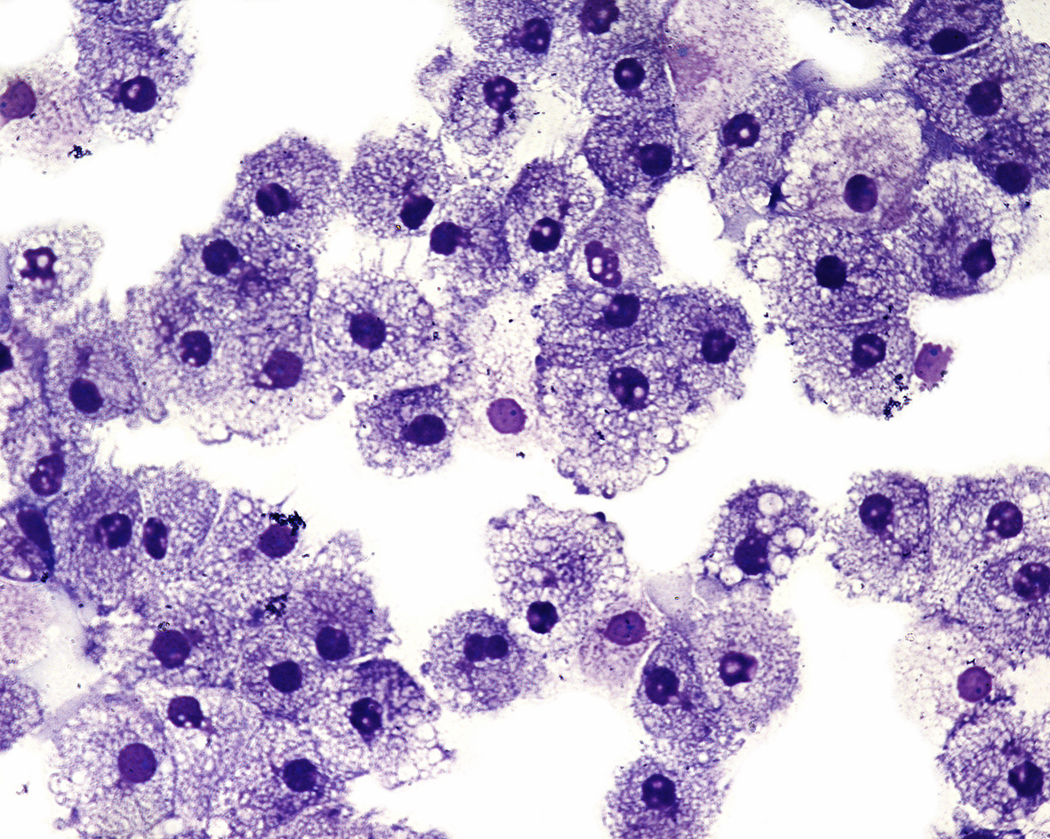
Skin cells from humans can be revamped into pro-clotting cells called platelets.
This finding is part of a study published on November 22 in the Journal of Experimental Medicine. Patients with diseases that cause thrombocytopenia (platelet deficiency) often require repeated transfusions with platelets obtained from healthy donors.
But donor platelet isolation is expensive and labor intensive, and donor platelets can be attacked by the patient's immune systems as "foreign." Therefore, Koji Eto and colleagues sought a method for generating custom-made platelets from patients' own cells.
The team first reprogrammed human skin cells to a more primitive, stem cell–like state; these cells were then cultured in a cocktail of platelet-promoting soluble factors. The resulting platelets circulated and accumulated in blood clots when injected into platelet-deficient mice, behaving just like normal platelets.
Although additional work is needed to ensure that the culture-derived platelets function like normal healthy platelets, these findings represent an important step toward making patient-specific platelets clinically available.
All information on this site is provided “as-is” for informational purposes only and is not a substitute for medical advice or treatment. You should consult with a medical professional if you have any questions about your health.
More health news
 Health News
Human Platelet Creation to be Attempted
Platelets could aid chemotherapy patients
 Health News
Rx for Low Platelet Counts Approved
Doptelet (avatrombopag) approved to treat low blood platelets in those with liver disease who are undergoing a medical procedure
 Clinical Trials
Sickle Cell Success Found
Sickle cell disease corrected with patient's own cells in preclinical study