
Grandma's Pillbox Isn't Kids' Candy
Prescription medications too easy for children to reach at grandparents
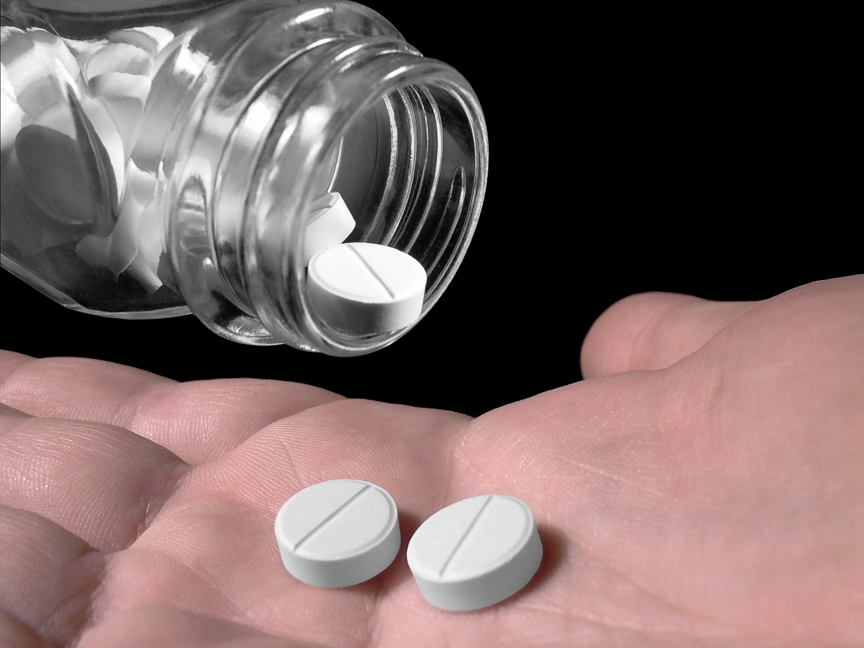
If you're heading over the river and through to the woods to grandmother's house, make sure grandma has put her medications far out of reach from the little ones.
A recent poll found that almost one in four grandparents stores prescription medications in places that are easy for kids to find and reach, which contributes to high rates of accidental poisoning.
Make sure every home your child visits has medications out of reach.
The University of Michigan Mott Children's Hospital National Poll on Children's Health surveyed parents and grandparents of children between the ages of one and five years old about how medications are stored in the home.
They found that 23 percent of grandparents and 5 percent of parents store their prescription medications in locations that aren't difficult for children to access, including the 7-day daily-dose boxes that are easy for kids to flip open.
Further, 18 percent of grandparents and 8 percent of parents said they store over-the-counter drugs in easily accessible places.
"Emergency room visits for accidental poisonings among young children have become much more frequent in the last decade," said Matthew Davis, MD, the director of the C.S. Mott Children's Hospital National Poll.
A recently released report from the Centers for Disease Control and Prevention supports his statement, showing that accidental poisoning have increased between 2000 and 2009.
"We hope the results of this poll are a reminder to parents, grandparents and all those who care for young children: check around your homes to make sure that medicines are safely stored out of reach," Davis said.
The safest option is to be sure that all medications - prescription and over-the-counter - are stored in child-proof containers that are kept out of sight and out of reach of young children, including when those children climb or use step stools.
The report found that 79 percent of parents and 85 percent of grandparents of young children have prescription medications at home, so these guidelines apply to nearly every household.
The report states that every ten minutes in the U.S., a child under age six goes to the emergency room for possible accidental poisoning from taking a medicine.
The most common types of prescription medication that children accidentally swallow is opiate painkillers, such as a prescription with a morphine product.
Among over-the-counter medications, acetaminophen, or Tylenol, is one of the most common types of medicine that causes accidental poisoning in children. An overdose of acetaminophen attacks the liver and can result in death.
The poll also found that two thirds of adults would support new laws that would require single-dose packages of medications to be manufactured by companies. Single-dose packaging of tablets, capsules and liquids would make it more difficult for children to take too much medicine at once, the authors state.
All information on this site is provided “as-is” for informational purposes only and is not a substitute for medical advice or treatment. You should consult with a medical professional if you have any questions about your health.
More health news
 Health News
Don’t Eat That! It’s Grown-Up Candy
Marijuana laced food products have been accidentally eaten by small children
 Health News
FDA Warning: Serious Adverse Events From Eye Drops and Nasal Sprays Ingestion
Children at risk of swallowing OTC products
 Health News
Reducing Fever in Children: Safe Use of Acetaminophen
Acetaminophen must be properly dosed in children