
Preterm Birth Tied to Mom's Lack of Sleep
Poor sleep quality during pregnancy increases risk for preterm birth

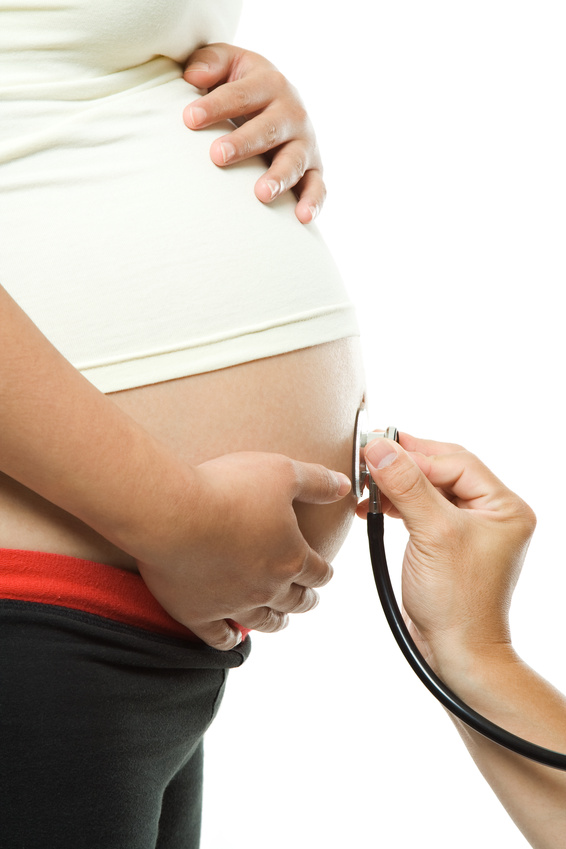
For a pregnant woman, good sleep is important for both her own health and the development of her growing baby. Not getting enough quality sleep, especially in the first and third trimesters, increases a woman's risk for delivering her baby preterm.
The association between lack of quality sleep and premature birth appears regardless of other medical risk factors and income levels.
While pregnant, get plenty of quality sleep.
Michele Okun, PhD, assistant professor of psychiatry and psychology at the University of Pittsburgh School of Medicine, led a study of 166 pregnant women with a mean age of 28.6 years. Using self-reporting questionnaires, including the Pittsburgh Sleep Quality Index (PSQI), the sleep quality of the participants was analyzed and then compared against the rates of preterm delivery.
Okun and her team found that poor sleep quality was a predictor of premature childbirth, with the largest effects in early pregnancy (14-16 weeks) and later pregnancy (30-32 weeks). Sleep quality during the second trimester of pregnancy did not have an associated preterm delivery risk.
“This supports the growing evidence that poor sleep is an important risk factor for preterm birth,” Okun said. She and her co-authors suggest there may be a biological cause for the increase in preterm birth linked to disrupted sleep. Poor sleep has been shown to initiate inflammation, which could activate the processes of childbirth.
The combination of poor sleep with stress may also be a factor.
"Sleep can be measured easily and quickly during prenatal visits," says Okun. "Simply by assessing a woman’s sleep quality, we may be able to identify a risk early in the pregnancy, when there is time to intervene."
The study findings were published in the November 2011 issue of the journal SLEEP.
All information on this site is provided “as-is” for informational purposes only and is not a substitute for medical advice or treatment. You should consult with a medical professional if you have any questions about your health.
More health news
 Health News
Gel Can Prevent An Early Delivery
Hormone treatment reduces chance of preterm birth
 Health News
New Baby, Older Mom
Older pregnant women over age 45 are at higher risk for poor pregnancy outcomes
 Natural
Extra Calcium and Moms-to-be
Calcium supplements for pregnant women