
The Good Kind of Fat
Polyunsaturated fats shown to prevent periodontitis
Recent research from Harvard Medical School and Harvard School of Public Health indicates polyunsaturated fats may help protect gums from disease.
Intake of polyunsaturated fatty acids (PUFAs), particularly docosahexaenoic acid (DHA) and eicosapentaenoic acid (EPA), was inversely associated with periodontitis, a common inflammatory disease that causes the gum tissue to separate from the teeth.
N-3 fatty acids have previously been associated with better outcomes in various chronic inflammatory diseases, giving researchers hope of treating periodontitis.
The study analyzed data from 9,000 participants in the National Health and Nutrition Examination Survey (NHANES), a nationally representative survey in which researchers found dietary intake of the PUFAs, DHA and EPA were associated with a decrease in periodontitis cases.
About 8.2 percent of the study participants were afflicted with periodontitis at the time of the study. Among those who consumed the highest amount of dietary DHA, there was an approximate 20 percent reduction in periodontitis prevalence.
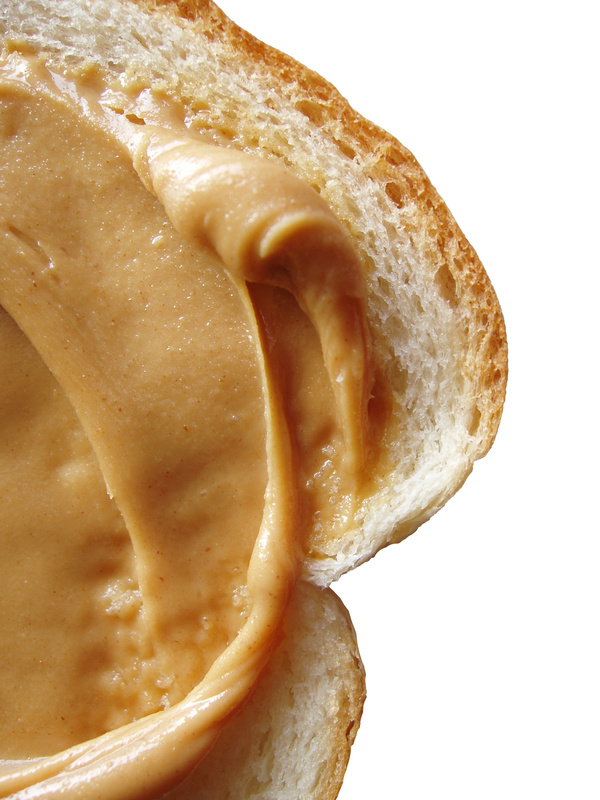
Foods that contain significant amounts of polyunsaturated fats include peanut butter, avocados, nuts and fatty fish such as salmon.
All information on this site is provided “as-is” for informational purposes only and is not a substitute for medical advice or treatment. You should consult with a medical professional if you have any questions about your health.
More health news
 Health News
Fat Society Goes to Europe
Focus is on lipids in metabolic health and disease
 Health News
Fatty Fish Slim Breast Cancer Risks
Breast cancer risk reduction associated with intake of oily fish
 Health News
What Omega-3s Could Do for Bipolar Patients
Bipolar disorder patients may have lower availability of certain omega-3 fatty acids