
Pregnancy with PCOS: What May Up Your Chances
Polycystic ovary syndrome pregnancy chances may improve when overweight, obese patients lose weight
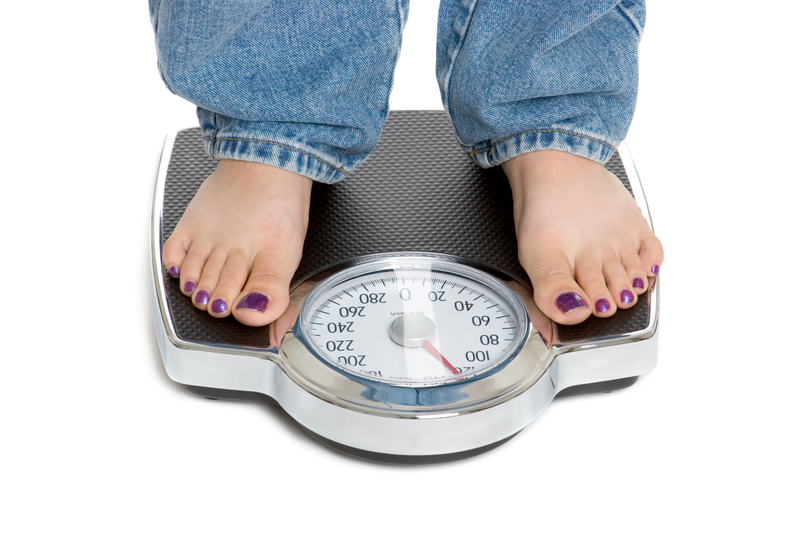
Dropping some weight may improve chances of pregnancy in women with polycystic ovary syndrome (PCOS) who are overweight or obese, according to new research.
This National Institutes of Health-funded research found that, compared to overweight or obese women with PCOS who were treated with a drug to induce ovulation, those who started a weight-loss program, before receiving a drug to induce ovulation, had higher ovulation and live birth rates.
In PCOS, the ovaries are home to multiple cyst-like sacs. The condition can cause infertility and irregular or absent menstrual periods, among other problems.
But the 142 women in this research who lowered their caloric intake, exercised and took a prescribed anti-obesity medication were almost twice as likely to have successful pregnancies resulting in live births — compared to the 187 women who were prescribed clomiphene (brand name Clomid) to induce ovulation.
Speak with your doctor before beginning any new weight-loss regimen.
Information on funding and conflicts of interest for this research was not available at the time of publication.
All information on this site is provided “as-is” for informational purposes only and is not a substitute for medical advice or treatment. You should consult with a medical professional if you have any questions about your health.
More health news
 Health News
What PCOS Might Mean for Your Hormones
Polycystic ovary syndrome (PCOS) may result in excess adrenal hormones
 Prescription Drugs
Metformin Melts Fat and PCOS Away
Polycystic ovary syndrome prevented or delayed with metformin
 Health News
PCOS: Why Definitions Matter
Broad definition of polycystic ovary syndrome could change treatment decisions