
The Shape of Arthritis
Osteoarthritis patients may have different knee shape that others
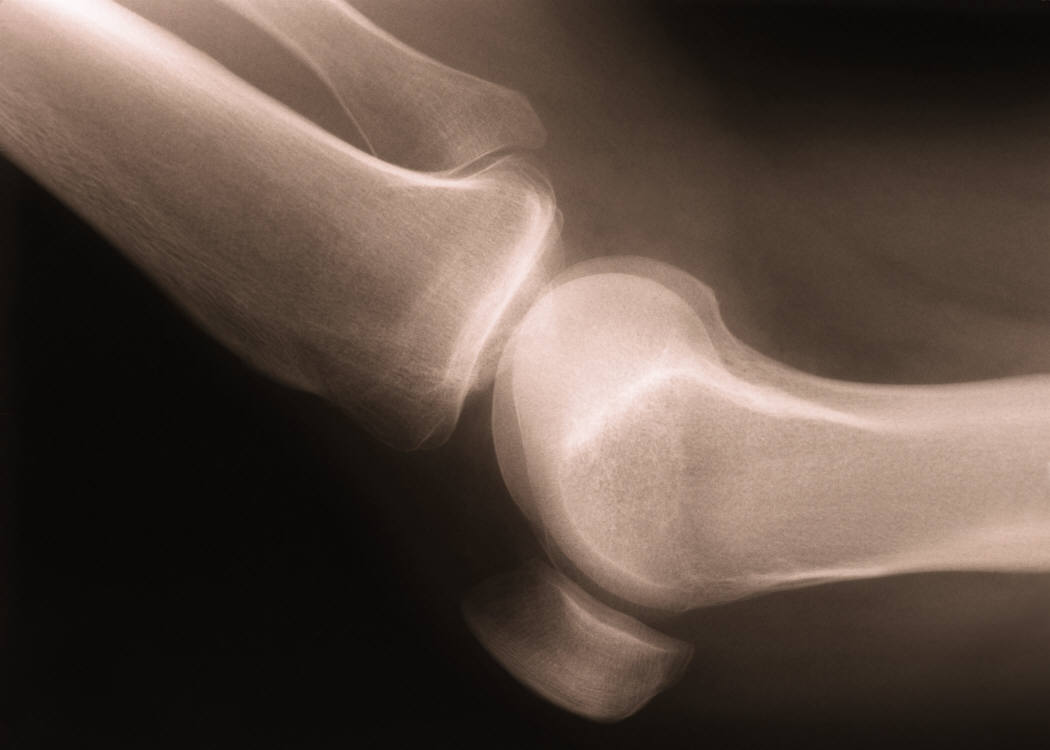
Your risk of osteoarthritis is higher if you are obese, have had joint injuries, or overuse your joints. But can the shape of your joint play a role in arthritis?
In women, the shape of the knee is involved in osteoarthritis. This discovery may lead to new ways to predict knee arthritis.
Your knee shape may raise your risk of arthritis.
Jan Waarsing, of Erasmus MC University Medical Center in the Netherlands, and colleagues wanted to see if knee shape had any influence on the risk of osteoarthritis. So, they compared the bone shapes of arthritis patients to those of people without arthritis.
Women with osteoarthritis had three key differences in their knee shape, compared to women without arthritis. First, osteoarthritis patients had wider femoral and tibial bones. In other words, they had wider knees. Second, osteoarthritis patients had their legs more extended during X-rays. Lastly, arthritis patients had a raised lateral tibial plateau, which is linked to pain.
According to the authors, these findings show that the shape of the knee plays a role in osteoarthritis. With more research, these results could turn into a new ways to keep track of and predict osteoarthritis of the knee.
For their study, Waarsing and colleagues compared X-ray images of osteoarthritis knees to images of knees without arthritis. More than 600 participated in the study.
The study is published in the journal Arthritis & Rheumatism.
All information on this site is provided “as-is” for informational purposes only and is not a substitute for medical advice or treatment. You should consult with a medical professional if you have any questions about your health.
More health news
 Features
Risky Business of Osteoarthritis
Osteoarthritis risk factors include age and obesity
 Health News
Low Rates of Knee Arthritis in Women
Radiographic knee osteoarthritis rates are relatively low but progression is common
 Health News
How Weight Loss Might Help Your Knees
Weight loss may slow down degeneration of knee cartilage