
My BMI is Bigger Than Yours
Obesity rates are expected to increase by 2030
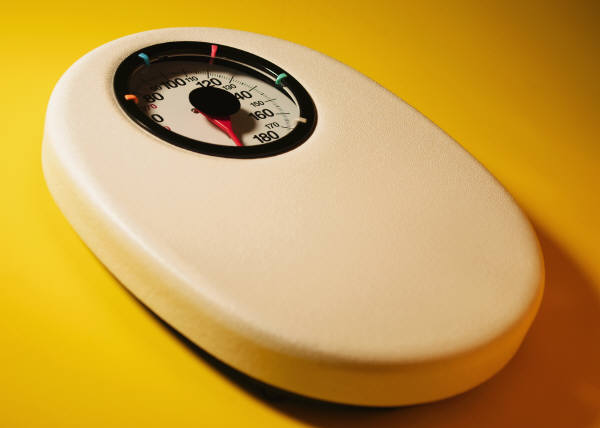
Obesity rates have skyrocketed and according to new research this isn't even the worst of it. If people continue to neglect or avoid the problem many more people will suffer.
Obesity has become a worldwide epidemic and currently affects one-third of the American population. Researchers have studied the trends of the obesity epidemic and predict that at this rate, half of the entire population will suffer from obesity. How will that impact our medical care costs?
Start eating less and exercising more before it's too late.
Claire Wang, M.D., from Columbia University's Mailman School of Public Health, and team analyzed data from the National Health and Nutrition Examination Survey (NHANES) from 1988 to 2008. They predict that in 2030 America will have an additional 65 million obese adults.
The adults that will be affected most are in their 40s and 50s. Wang predicts that 60 percent of all men and women in that age group will suffer from obesity.
This increase in obesity will affect other diseases. There will be 6 to 8.5 million more people with diabetes; 5.7 to 7.3 more heart disease and stroke cases; and hundreds of thousands more cancer cases. Not only does this affect other diseases this affects life expectancy - 26 to 55 million quality-adjusted-life- years will be lost.
With more people becoming ill, treatment and medical costs are estimated at 48 to 68 billion dollars per year. This does not only affect America; Great Britain is another country that has similar prevalence rates if their obesity problems continue.
The researchers predicted two million less cases of diabetes, nearly one and a half million less cardiovascular disease diagnoses and 100,000 cancers avoided if everyone reduced their body mass index (BMI) by one percent - which is about two pounds.
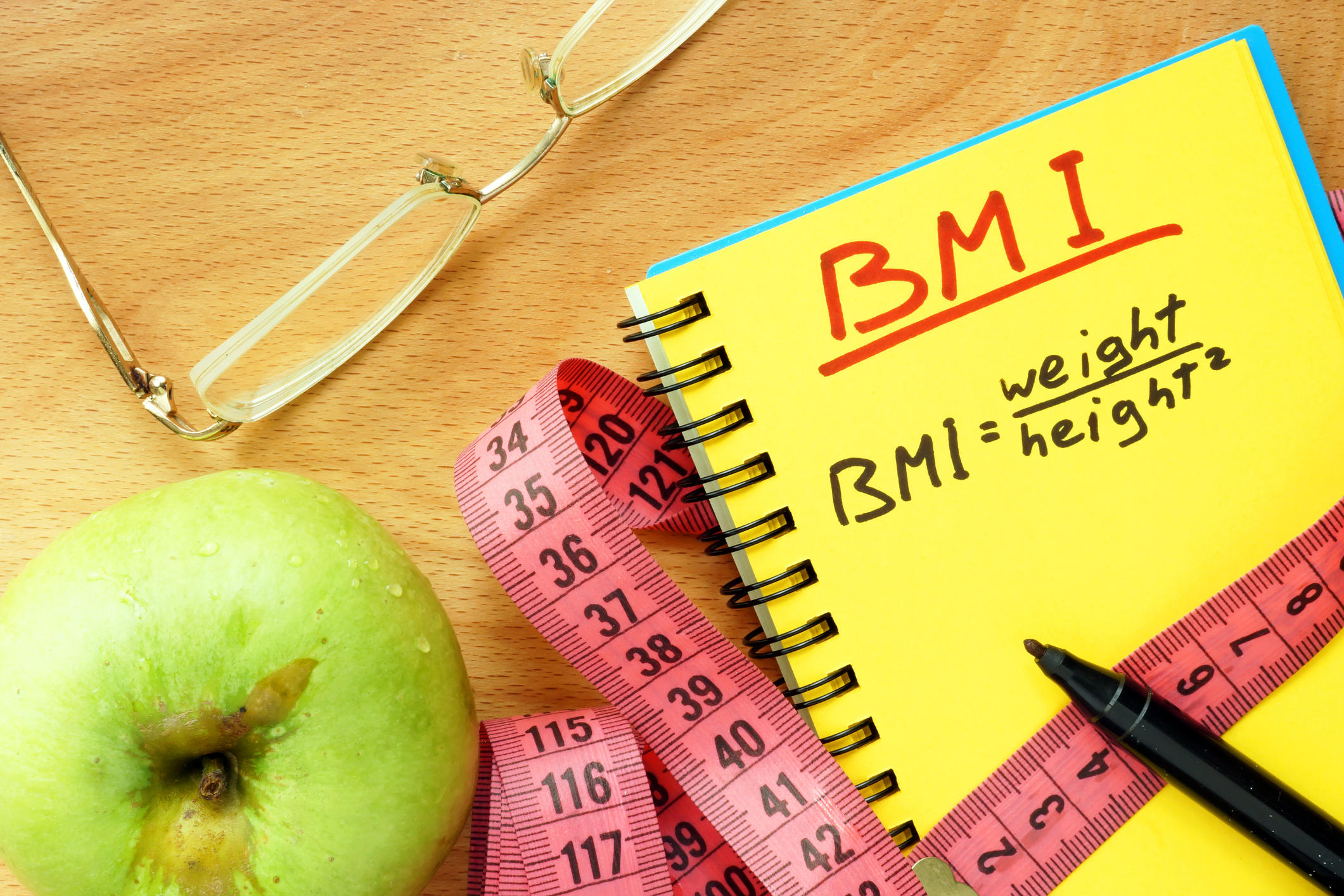
Body mass index is a common measure of obesity where 18.5 to 24.9 indicates normal weight, 25 to 29.9 indicates overweight and above 30 signifies obesity.
The change is small, but definitely significant, Wang says. Of course the predictions are only guesses from available data and the past doesn't necessarily predict the future, but if something doesn't change then we will have serious problems, Wang warns.
The research is published in The Lancet.
All information on this site is provided “as-is” for informational purposes only and is not a substitute for medical advice or treatment. You should consult with a medical professional if you have any questions about your health.
More health news
 Health News
High Body Weight, More Joint Surgery
Osteoarthritis related joint replacements can be reduced by sustaining healthy weight
 Health News
How BMI Affects Health
Body mass index may incorrectly label millions of Americans as unhealthy
 Features
The Dark Side of Sweet
Sugar is everywhere and it may just be killing you