
Beating Bacteria at Its Own Game
NIAID researchers identify protein that helps bacteria spread from medical devices into patients' bodies
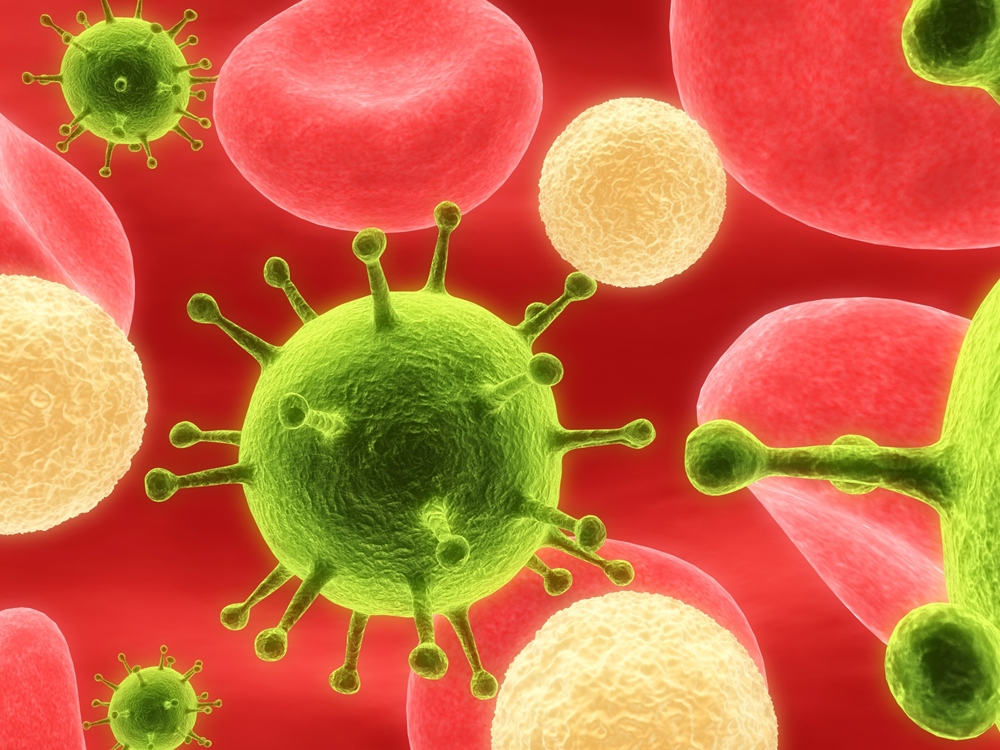
Researchers at NIH's National Institute of Allergy and Infectious Diseases (NIAID) have pinpointed a protein that helps bacteria detach from medical devices and spread in the body.
The finding helps explain how complex, multi-layered bacterial communities called biofilms help foster disease, possibly giving researchers a potential target for future therapies.
Biofilms can form inside the body, such as on the surface of teeth, or in medical equipment and devices placed inside patients (i.e. catheters). These communities are resistant to antimicrobial agents, making them difficult to treat. Biofilms comprised of staphylococcus epidermidis bacteria are a major culprit of infection in hospitals. Otherwise known as staph infection, this condition can lead to sepsis which is a very serious infection of the blood that can be fatal.
Michael Otto and a team of researchers at the National Institute of Allergy and Infectious Diseases (NIAID) identified a protein called phenol-soluble modulin beta in their search to determine how biofilms break away and spread. They chose to analyze the phenol-soluble modulin beta protein because of its structure, which suggested it might act like a surfactant molecule. A surfactant molecule has a hydrophilic (water-loving) head that is attracted to water molecules AND a hydrophobic (water-hating) tail that repels water. Having a structure like this may help bacteria spread. Adding levels of this protein to mutant bacteria (that can't produce their own version of the protein) suggested the protein might play a role both in helping biofilms form and helping bacteria detach from them.
To see how this protein helped bacteria spread in living organisms, the scientists tested two catheters in mice models, only one of which included the protein, and found that within a few days, the catheter with the protein had spread the bacteria to the organs and body fluids.
All information on this site is provided “as-is” for informational purposes only and is not a substitute for medical advice or treatment. You should consult with a medical professional if you have any questions about your health.
More health news
 Natural
All and Mighty Eyes
Eye proteins could lead to inexpensive drugs to fight bacteria
 Health News
Less is More When Getting Rid of Bacteria
Antibiotic treatment is not necessary for everyone with urinary bacteria
 Health News
A Solution for Denture Storage
Alkaline peroxide based solution may be best for overnight storage of dentures