
Stem cell techniques for MS
MS cell therapy one step closer to clinical trials
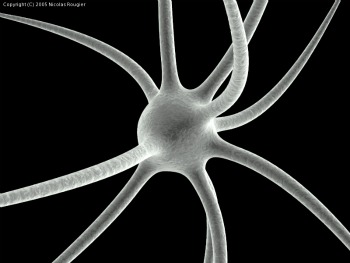
A cutting-edge stem cell therapy for treating multiple sclerosis (MS) is one step closer to reality. New research targets myelin, a material that coats neurons in the brain.
Scientists have improved on their own methods to isolate and direct stem cells to become the type of brain cell that creates myelin. What MS does is attack and destroy myelin, causing damage to the central nervous system.
Treatment with these stem cells could help patients repair the damage in their bodies, and restore lost abilities.
Stem cell therapy for MS is on the horizon.
Myelin is essential for the central nervous system to function properly. Normal human bodies can repair myelin damage, but those with MS cannot. Loss of myelin interferes with neurons' chemical and electrical signaling, and triggers symptoms like blurred vission, loss of balance, slurred speech, and more.
This new research is building on years of previous research on myelin repair. Scientists learned how to direct stem cells from the brain to become oligodendrocytes, which create myelin. In the study, they injected the cells into the brains of mice that were born without the ability to make myelin.
The experiment ended in success: Twelve weeks later, the cells had become oligodendrocytes and coated 40 percent of the brain's neurons with myelin.
Dr. Steven Goldman, one of the study's authors, said the cells are currently the best candidate for improving the lives of those with MS. He believes the cells are safe and effective enough to propose for clinical trials.
This techinque is still a long way from being used in humans. But the eventual treatment could involve injecting these cells into patients' brains. The cells would migrate through the brain and coat neurons in myelin. A different approach might be using medication to “turn on” the cells, which already exist in patients' brains.
A treatment would also hold promise other myelin-related diseases such as Alzheimer's, cerebral palsy, Parkinson's, and depression.
The work was conducted at the University of Rochester, and published in Nature Biotechnology in fall 2011.
All information on this site is provided “as-is” for informational purposes only and is not a substitute for medical advice or treatment. You should consult with a medical professional if you have any questions about your health.
More health news
 Health News
Building Blocks of the Brain
Scienists find new way to isolate neural stem cells; important steps toward new treatments
 Health News
Making Sense of MS
Researchers say multiple sclerosis will become controlled disease, cholesterol link unlikely
 Clinical Trials
Game-changing Advance in Stem Cell Science
Advancement could lead to new treatments for a variety of incurable diseases