
Locked-In Doesn't Mean Locked-Out from Happiness
Most patients with locked-in syndrome report they are happy
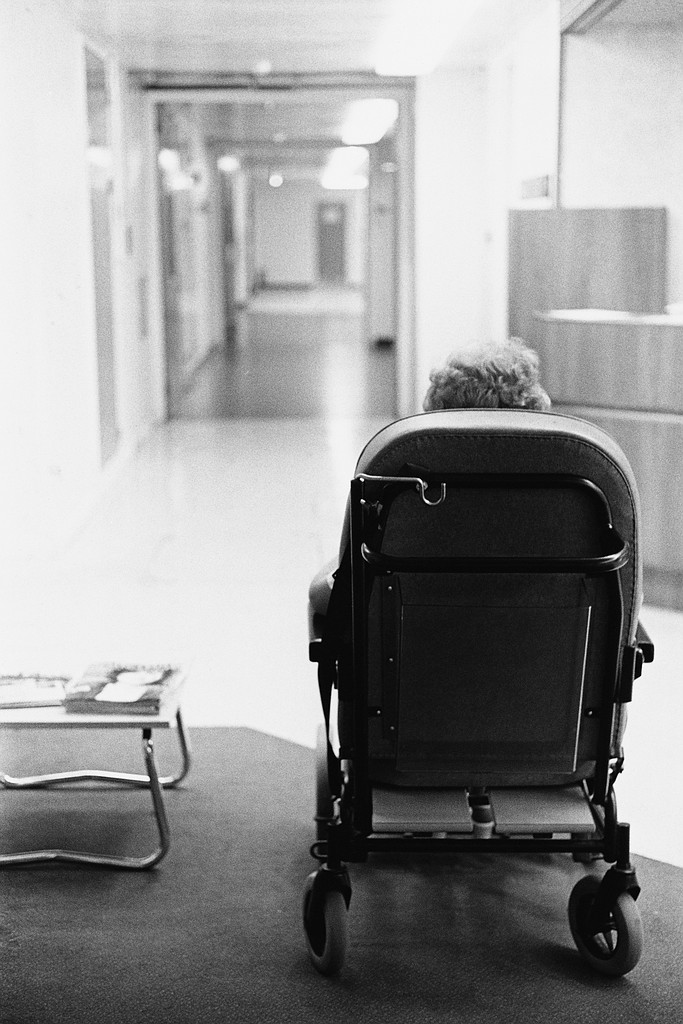
Most patients with locked-in syndrome -- resulting from brain stem injury, which leaves patients unable to move or communicate except via eye movements -- report they are happy.
Based on a survey measuring self-assessed well-being in a cohort of 91 chronic locked-in patients, members of the French Association for Locked in Syndrome, 72 percent reported being happy, even though only 1 in 5 said they were able to engage in everyday activities that are important to them.
Around two-thirds of patients had a partner and lived at home, and about 70 percent reported having religious beliefs.
A total of four patients said they would opt for euthanasia if given the choice.
The 28 percent of respondents who said they were unhappy reported maneuvering difficulties, social/recreational restrictions and a lack of coping skills as reasons for their unhappiness.
A shorter period of living with the syndrome -- under one year -- was also associated with unhappiness.
As many as 50,000 suffer with locked-in syndrome in the United States.
All information on this site is provided “as-is” for informational purposes only and is not a substitute for medical advice or treatment. You should consult with a medical professional if you have any questions about your health.
More health news
 Mental Health
Anxiety Linked to Religious Extremism
Uncertainty provokes idealism, radical beliefs for some
 Natural
Pacifiers for Breastfeeding Ok
Pacifier use may help breastfeeding rates and prevent increases in formula supplementation
 Mental Health
Be Happy, Be Rich, Someday
Life satisfaction in adolescence linked to higher income later on