
Caffeine During Pregnancy Tied to Smaller Birth Size
Moderate amount of caffeine during pregnancy could lead to smaller birth size
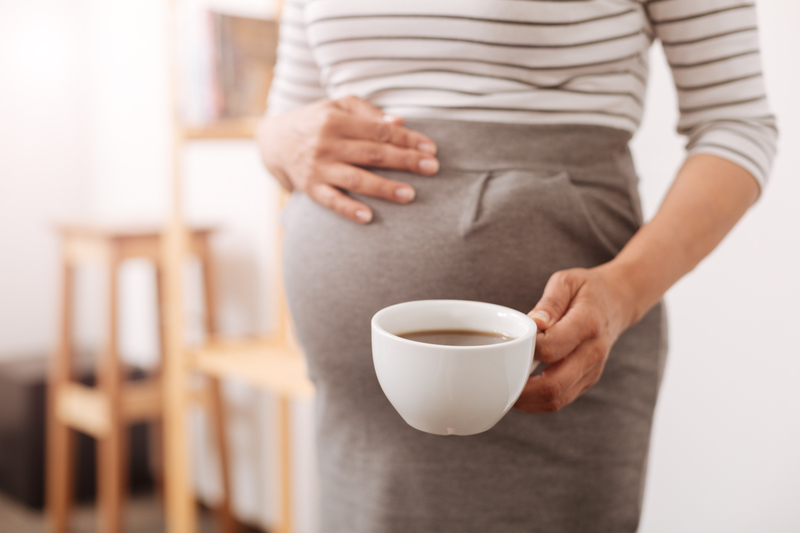
Consuming a moderate amount of daily caffeine during pregnancy may be tied to smaller birth size, a new study found.
This study found that taking in the amount of caffeine found in half a cup of coffee each day could lead to having a slightly smaller baby compared to pregnant women who take in no caffeine.
Past research has linked high caffeine intake during pregnancy to possible harm to the fetus. Now, this study is suggesting that even smaller amounts of caffeine could lead to lower birth size.
Small birth size may increase the child's risk of diabetes, heart disease and obesity later in life, according to the National Institutes of Health (NIH).
“Until we learn more, our results suggest it might be prudent to limit or forego caffeine-containing beverages during pregnancy,” said lead study author Dr. Katherine L. Grantz, of the NIH's Eunice Kennedy Shriver National Institute of Child Health and Human Development, in a press release. “It’s also a good idea for women to consult their physicians about caffeine consumption during pregnancy.”
Why does caffeine intake during pregnancy appear to reduce the size of newborns? While this study did not examine the cause, the study authors did note that some health experts believe caffeine causes blood vessels in the placenta and uterus to tighten. This could limit the blood going to the fetus, which may limit the growth of the fetus.
These researchers tested blood samples from more than 2,000 women who were 10 to 13 weeks pregnant. They recorded caffeine levels and later assessed the birth size of their newborns.
Compared to women who had no caffeine in their blood, women who had the highest levels of caffeine gave birth to babies who were 3 ounces lighter, 0.17 inches shorter and 0.11 inches smaller in head circumference on average, this study found.
Talk to your health care provider before making any major changes to your diet during pregnancy.
This study was published in the journal JAMA Network Open.
The NIH funded this research. One study author worked for a company that provided statistical support for the study. The study authors disclosed no other potential conflicts of interest.
All information on this site is provided “as-is” for informational purposes only and is not a substitute for medical advice or treatment. You should consult with a medical professional if you have any questions about your health.
More health news
 Health News
Extra Caffeine May Mean Smaller Baby
Caffeine intake during pregnancy linked to lower birth weights in babies
 Features
Your Heart's Not Really Burning
Heartburn is a common but potentially serious digestive problem
 Health News
Caffeine Drinkers May Not Miss a Beat
Regular caffeine intake, extra heartbeats not associated