
Mom's Double Whammy: Migraines and Colic
Migraines may be more likely to have colicky babies
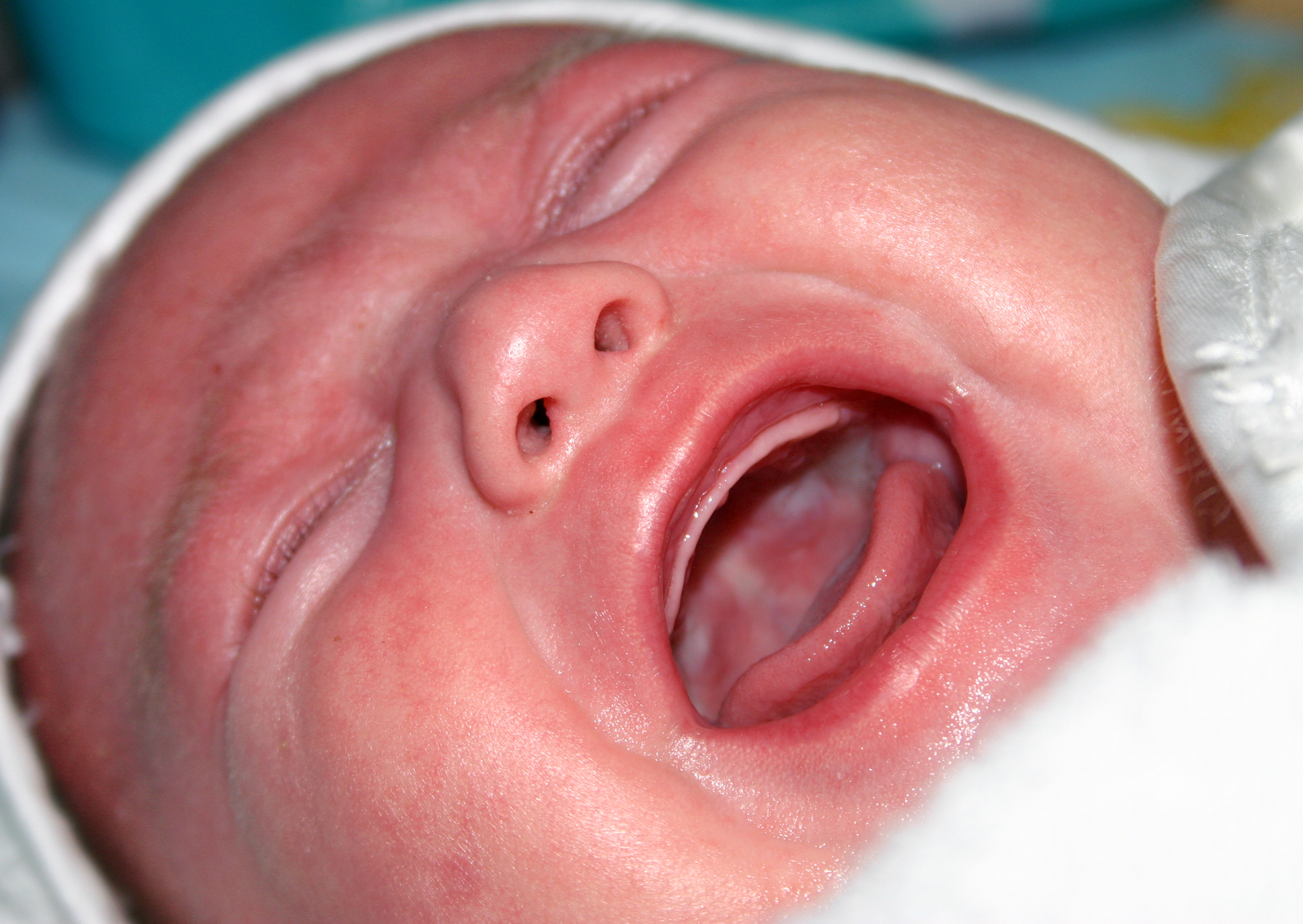
What's worse than a decapitating migraine for a new mom? The nonstop crying of her colicky newborn every night. Turns out the two might be linked.
A new study revealed that women who have a history of migraine headaches appear more likely to have babies with colic, the condition of intense, inexplicable crying that often leaves parents exhausted and helpless.
Ask your doctor about treatment for your migraines.
Dr. Amy Gelfand, M.D., a child neurologist with the Headache Center at the University of California, San Francisco, led the study.
Gelfand and her colleagues analyzed data on 154 mothers and their children, determining whether the babies had colic based on parents' answers to a specific set of questions for the study. Parents were quizzed at their child's two-month well-baby appointment since colic tends to be most prevalent at that age.
The researchers discovered that mothers who had a history of migraines were 2.6 times more likely to have a baby with colic than mothers who didn't have migraines.
Among mothers with migraine histories, 29 percent of the babies had colic compared to 11 percent of colicky babies born to moms who didn't have regular migraines.
"Since migraine is a highly genetic disorder, our study suggests that infant colic may be an early sign that a child may be predisposed toward migraine headache later in life," Gelfand said. "Colic may be another example of a childhood periodic syndrome, which is often a precursor to migraine."
Colic is typically defined as intense, unexplained, nonstop crying for more than three hours a day, more than three days a week for more than three weeks. It tends to happen more often in the late afternoon or early evening.
In more general terms, however, any extended time of a newborn's nonstop crying without an apparent reason could be regarded as colic.
Colic has been a mystery for doctors for years. Some believe it relates to gastrointestinal issues, and others believe it relates to a child's inability to adapt to being out of the womb, among other theories.
So far, no definitive cause or cure has been determined for colic. Babies typically outgrow it by their fourth month.
The research was presented February 20 at the American Academy of Neurology's 64th Annual Meeting in New Orleans. No information was available regarding the study's funding or potential author conflicts of interest.
All information on this site is provided “as-is” for informational purposes only and is not a substitute for medical advice or treatment. You should consult with a medical professional if you have any questions about your health.
More health news
 Health News
What Do Colic and Migraines Share?
Childhood migraines linked to colic in infancy but reasons unclear
 Health News
Q&A with Colic Expert Dr. Vartabedian
Colic expert discusses treatments and new research about frustrating condition
 Mental Health
Cries from Baby, Tears from Mama
Postpartum depression more likely among moms whose babies cry inconsolably