
Overdosing Our Children
Medication dosages for babies and young children are often inaccurate
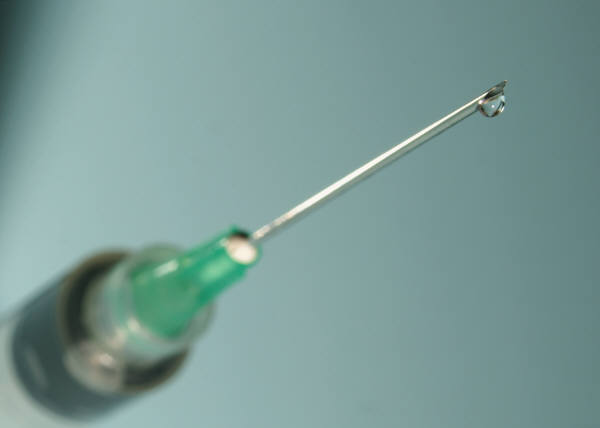
Mainly due to limitations of current equipment, infants and children often receive poorly measured doses of medication from their doctors.
Because infants and young children are such little guys (and girls), they require smaller drug doses, especially for powerful medications such as morphine, anti-anxiety drugs, and immunosuppressants. Clinicians are limited by the equipment they use. Most syringes are not made to measure the small amounts of medication that children need.
After analyzing thousands of medicating procedures, researchers found that young children receive incorrect dosages too often.
According to Dr. Christopher Parshuram, of the Department of Pediatrics at the Hospital for Sick Children (SickKids) and Director of Pediatric Patient Safety Research at the University of Toronto Center for Patient Safety, and coauthors, the complications that result from inaccurate dosages become worse when you take into account other shortfalls such as incomplete safety data, errors in medication orders, and errors in preparation or administration.
In light of these findings, the authors conclude that current preparation methods, regulations, and manufacturing procedures need to be reassessed.
This finding appears as part of a study in the Canadian Medical Association Journal.
All information on this site is provided “as-is” for informational purposes only and is not a substitute for medical advice or treatment. You should consult with a medical professional if you have any questions about your health.
More health news
 FDA Approvals
New Option for Chronic Pain Management
Belbuca (buprenorphine) buccal film approved for use in patients with severe, chronic pain
 Prescription Drugs
FDA's Safe Use Initiative Targets Preventable Harm From Medication Use
FDA's Safe Use Initiative Targets Preventable Harm From Medication Use
 OTC
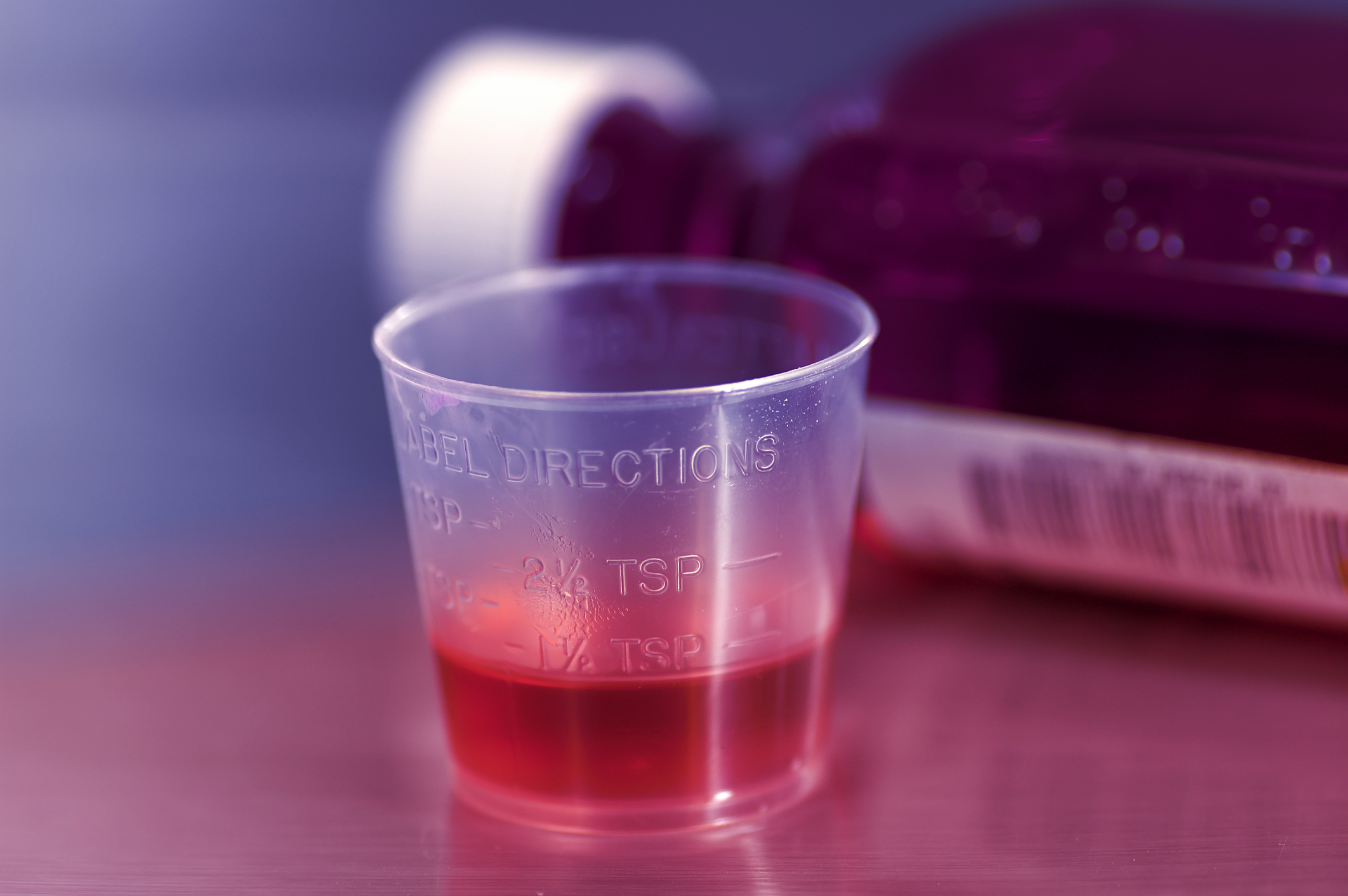
Inaccurate Dosing Cups Spark Children's Med Recall
Perrigo recalls Children's Guaifenesin Grape Liquid and Guaifenesin DM Cherry Liquid due to potential dosing cup defect