
COVID Vaccine Used as Treatment
Man with persistent COVID-19 infection treated with vaccine
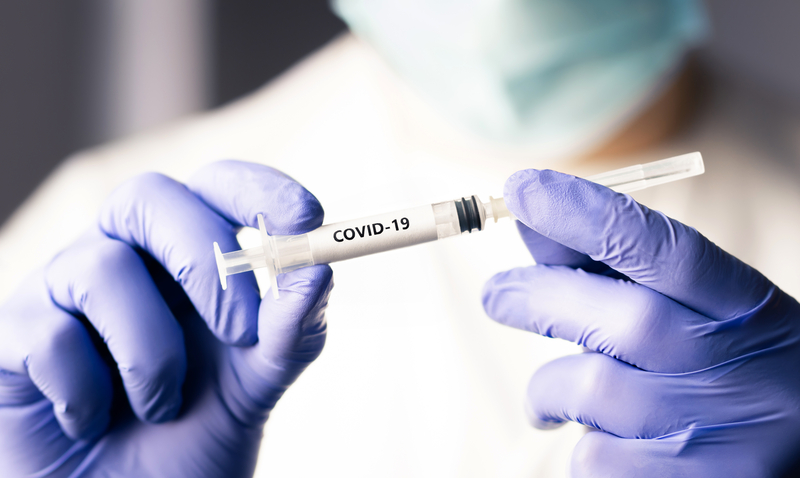
Vaccines are usually meant to prevent illnesses — not treat them. But a recent case saw the COVID-19 vaccine used as a treatment.
That's according to a new case study published in the Journal of Clinical Immunology.
The study detailed the case of a man in the United Kingdom who was testing positive for COVID-19 for several months in a row. The man had Wiskott-Aldrich syndrome, a genetic condition that reduces the body's ability to respond to infections.
He was infected with COVID-19 and tested positive over seven months. During those months, symptoms like extreme fatigue, chest tightness, headaches and insomnia were persistent.
With few options, doctors decided to give the patient the two-dose Pfizer vaccine for COVID-19.
After administering the vaccine — each dose one month apart — the doctors monitored the levels of the virus present in the man's blood.
Around 72 days after the man received his first vaccine dose, he finally tested negative for COVID-19.
The doctors involved in the treatment said that the vaccine probably gave the patient's immune system the boost necessary to take on the invading coronavirus. They said they plan to conduct further research on this subject with the hope that it can be reproduced in other patients with compromised immune systems.
Talk to your health care provider about your risk for COVID-19 and the recommended vaccination schedule.
The authors of this study disclosed financial support from various pharmaceutical and medical companies that was unrelated to the present study. No other potential conflicts of interest were reported.
All information on this site is provided “as-is” for informational purposes only and is not a substitute for medical advice or treatment. You should consult with a medical professional if you have any questions about your health.
More health news
 Health News
First Oral Rx for COVID-19 Gets FDA Nod
FDA approves Paxlovid (nirmatrelvir and ritonavir) to treat COVID
 Health News
What Comes After COVID-19?
For some, post-COVID-19 symptoms may persist for weeks or months
 Health News
Colds vs. COVID vs. the Flu
How to tell the difference between colds, COVID-19 and the flu