
Mammogram 101: What to Expect Before, During and After
Knowing what to expect can help you feel more prepared for your mammogram appointment.
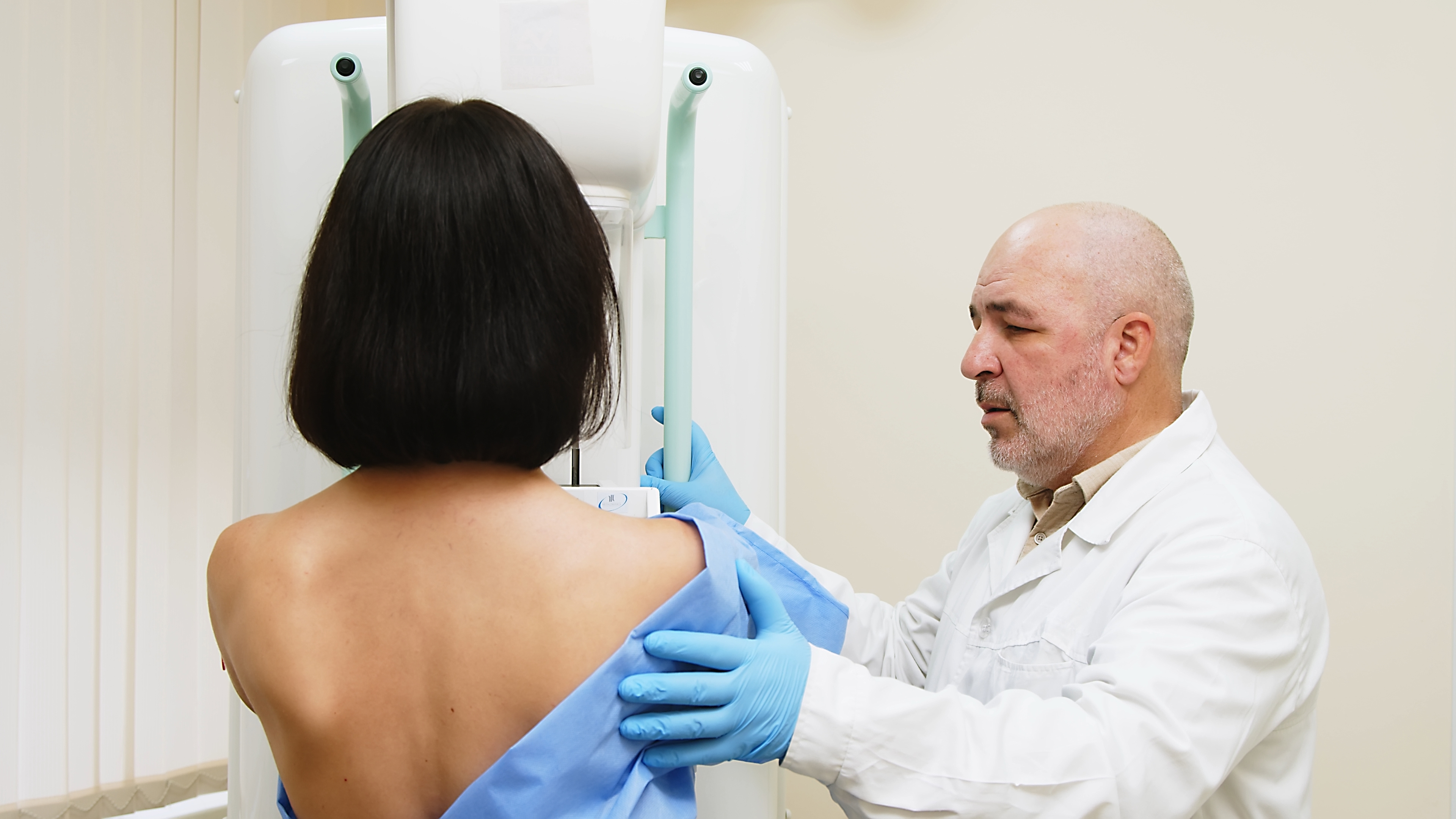
A mammogram is an X-ray of the breast that can help find breast cancer early, sometimes before you notice any symptoms. Knowing what to expect can help you feel more prepared for your appointment.
Before Your Mammogram
On the day of your mammogram, do not use deodorant, lotion, powder or perfume under your arms or on your breasts. These products can sometimes interfere with the images.
Wear a two-piece outfit if possible. This makes it easier to undress from the waist up.
Tell the staff if you are pregnant, think you may be pregnant, or have breast implants. Also let them know about any breast changes or concerns.
During Your Mammogram
During the mammogram, you will stand in front of an X-ray machine. A technologist will place one breast at a time between two plates.
The plates will press your breast for a few seconds while the images are taken. You may feel pressure or discomfort, but the process is usually quick.
Several images may be taken from different angles.
After Your Mammogram
You can usually return to your normal activities right away.
A health care professional will review your mammogram images, and you will receive your results. Sometimes additional images or tests are needed. This does not always mean that cancer was found.
Talk to your health care provider about when you should begin getting mammograms and how often you should have them based on your age and individual risk.
Sources
- Centers for Disease Control and Prevention, "What Is a Mammogram?"
- National Cancer Institute, "Mammograms"
- U.S. Food and Drug Administration, "Mammography"

Michelle Barney is a Clinical Solutions Manager at Lumistry, where she brings the practicing pharmacist’s perspective into the creation and evolution of pharmacy technology solutions. A clinical pharmacist by training, Michelle has built her career across retail pharmacy and health technology, including serving as Vice President of Clinical Operations at VUCA Health prior to its acquisition by Lumistry. She has held leadership roles spanning clinical operations, product, and marketing, and brings firsthand experience managing pharmacy teams and workflows. In her current role, Michelle partners closely with cross-functional teams to ensure Lumistry’s products are rooted in real-world pharmacy needs—helping pharmacies work more efficiently, confidently, and effectively in their day-to-day practice.
All information on this site is provided “as-is” for informational purposes only and is not a substitute for medical advice or treatment. You should consult with a medical professional if you have any questions about your health.
More health news
 Health News
Mammograms: What You Need to Know
Mammograms can detect breast cancer early and promote early treatment
 Health News
Mammogram Myths
Four mammogram myths debunked
 Health News
Implants May Enlarge Breast Cancer Risks
Breast cancer diagnosis later and mortality higher in women with cosmetic breast implants