
Lung Disease is a Killer
Lung disease doubled yet public awareness is minimal
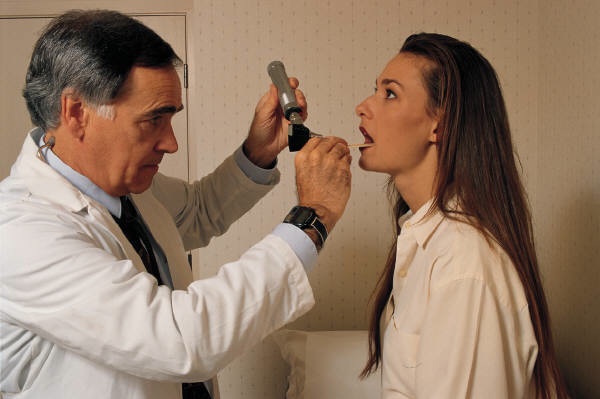
Lung disease: Do you have it? Do you know what it is? It claims the lives of almost 4 million people per year yet most people have never considered the danger.
Research has revealed that most people lack an understanding about lung disease. A new initiative to spread lung disease awareness is coinciding with the Olympic games to highlight the importance of lung health.
Get your lungs tested.
Cancer, heart disease and stroke related death rates have been decreasing over the past thirty years. And yet, lung disease death rates have doubled over that same period of time. Why aren't we more aware of this fourth killer?
New data was released by the Forum of International Respiratory Societies (FIRS) in conjunction with World Spirometry Day (officially held on June 27) — a day focused on spreading awareness about the importance of lung testing — that revealed a huge lack of understanding about the dangers of lung disease.
Spirometry is the measuring of breath in terms of volume and speed of air that is inhaled and exhaled.
Though the initiative is called World Spirometry Day, FIRS is attempting to spread awareness and continue events until the Olympic Games begin on July 27.
It is estimated that only five percent of those surveyed by FIRS worried about this medical danger.
Lung disease kills almost four million people per year, making it one of the world's biggest killers. Research published by YouGov showed that, across four continents, people are more worried about cancer, heart disease and stroke. The death rates related to these medical conditions have been declining over the past three decades.
In addition to large numbers of people underestimating the impact of lung disease, public polls showed that the public also lacks an understanding of how to manage this condition.
Of those surveyed, 57 percent admitted that they had never had their lungs tested and 70 percent thought that people with lung disease were not able to engage in moderate exercise. Physical activity can actually help manage and improve symptoms associated with lung disease — even in the most severe cases.
FIRS is trying to make people understand that these assumptions and lack of understanding could be deadly.
The good news is that simple lung tests like spirometry can help detect the early symptoms of lung disease. FIRS is taking advantage of the Olympic games to help spread awareness and encourage people to seek out medical professionals and get their lungs tested.
The Chair of FIRS and President of the European Respiratory Society (ERS), Klaus Rabe, said: "Chronic lung disease is a major health issue but – as the FIRS poll shows – its burden continues to be underestimated. There is widespread ignorance not only around the seriousness of lung disease but about what can be done to prevent it. As countries across the world celebrate the achievements of the world's best athletes – we feel the time is right to focus on how we can all improve our lung health."
Many well-known athletes are publicly supporting the campaign to show that lung disease doesn't have to be debilitating. They are encouraging people with and without lung disease to take up exercise.
Within the Olympic community lung disease is a very important issue, as approximately 448 competitors in the 2004 Olympic games had chronic lung issues. Norwegian Olympic rower, Olaf Tufte, is one of the campaign supporters who speaks from personal experience. Tufte has won three medals despite having severe allergic asthma. "I am determined not to let my asthma limit me or restrict my ambitions. Instead, I see it as one challenge among many that I need to master in order to come top in my sport. People with lung conditions can lead healthy, active lives – if they take steps to ensure their condition is identified early enough and treated well."
Whether you're a competitive athlete or a fan of afternoon strolls, FIRS and supporters want to get the message out that even the smallest amount of exercise goes a long way — especially for those suffering from lung disease.
All information on this site is provided “as-is” for informational purposes only and is not a substitute for medical advice or treatment. You should consult with a medical professional if you have any questions about your health.
More health news
 Natural
Kids Get Inspired by the Olympics
Olympic games encourage kids to exercise
 Health News
Olympians are Not Healthier Than Golfers
Energy demands of various Olympic sports do not affect death rates among former athletes
 Features
Arthritic Athletes Still Active
Arthritis does not stop famous athletes