
Two Steps to Save a Life
Learn how to perform hands-only CPR during CPR Month

You can learn how to save a life in just 60 seconds.
Did you know that only half of Americans can perform hands-only cardiopulmonary resuscitation (CPR) in an emergency?
More than 350,000 heart attacks happen outside of a hospital in the United States every year, according to the American Heart Association. Less than 12 percent of those who suffer these heart attacks survive.
But if more people know how to give CPR in emergency situations, more lives can be saved. June is CPR Month — the perfect time to take 60 seconds to learn how to give hands-only CPR.
CPR is lifesaving skill. When it's performed immediately, it can double or triple the chance of survival for someone in cardiac arrest.
The two steps are as follows:
1) Call 911. When calling for help, it is critical that you are specific about your location. This is especially true if you are calling from a mobile phone because cell numbers are not connected to a certain address.
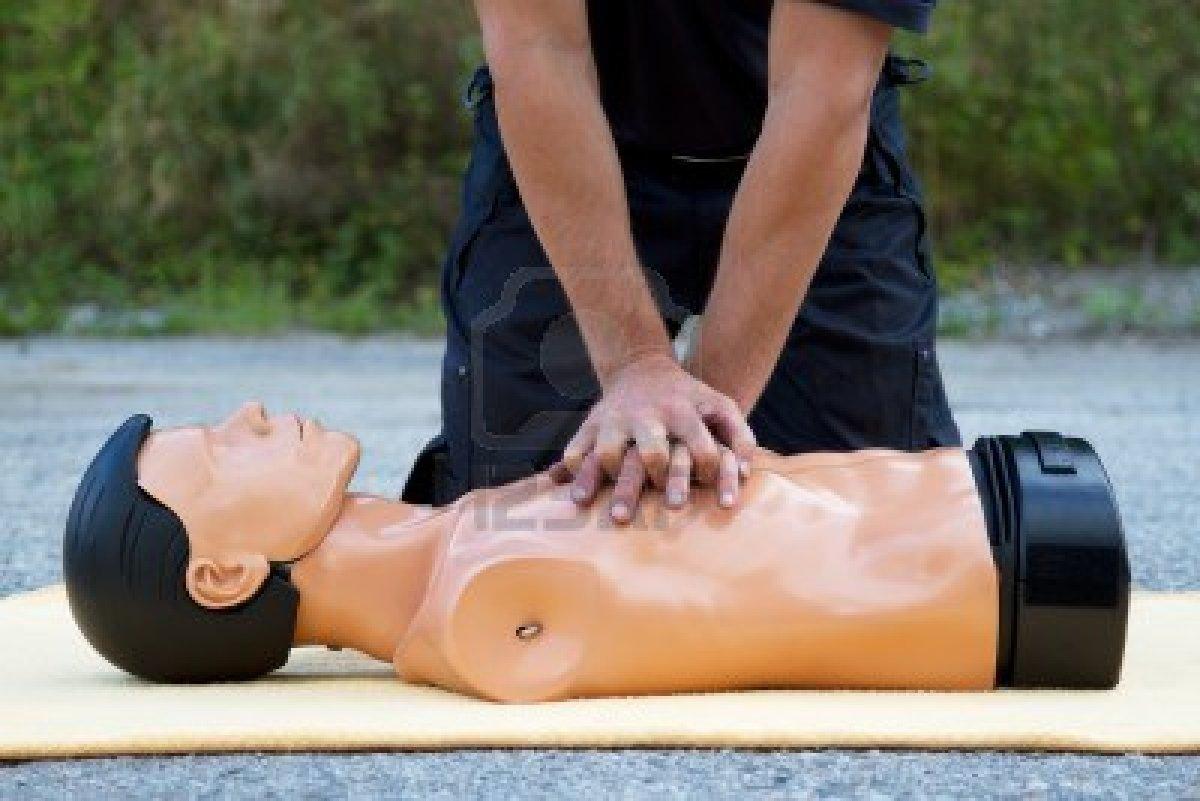
2) Push hard and fast. Push on the center of the chest at 100 to 120 compressions per minute. The trick is to find a tune with a beat to match 100 to 120 beats per minute. One good example is following the beat of “Stayin’ Alive.”
When giving compressions, place your hands one on top of the other in the center of the chest. Use your body weight to help you administer compressions that are at least two inches deep.
Try to administer hands-only CPR as soon as possible after you notice someone may be having a heart attack. Doing so can save a life.
According to the American Heart Association, learning conventional CPR is the next step.
Written By Anyssa Garza, PharmD, BCMAS
All information on this site is provided “as-is” for informational purposes only and is not a substitute for medical advice or treatment. You should consult with a medical professional if you have any questions about your health.
More health news
 Health News
A Bee Gees Hit May Save a Life
Sudden cardiac arrest victims can be saved with Hands Only CPR to the beat of Stayin Alive
 Features
Heart Stoppers: Two Emergencies Often Confused
Cardiac arrest and heart attack are often seen as the same but require different treatments
 Health News
A Combo for Cardiac Arrests
Brain damage after cardiac arrest can be prevented with a combo of CPR and meds