
Plus One for Lung Cancer Surgery
Late-stage, non-small cell lung cancer survival was higher in patients who had surgery
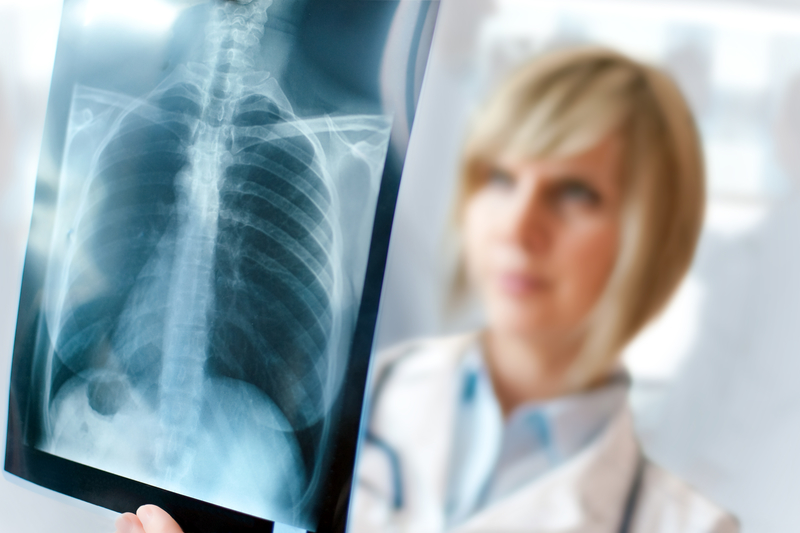
Surgery for patients with late-stage, non-small cell lung cancer (NSCLC) may increase survival, but many patients aren't having the procedure, a new study found.
This study, published in the Annals of Thoracic Surgery, looked at just over 34,000 patients who had late-stage NSCLC and found that those who received surgery — as opposed to other treatments or no treatment — had better survival rates.
Around 25 percent of patients received chemotherapy and radiation in combination, and 11 percent received surgery alone or in combination with other treatments.
Around 27 percent of patients received no treatment, these researchers found.
Patients who received surgery, chemotherapy and radiation had a median overall survival of 33 months. Surgery alone was tied to a roughly 28-month survival.
Without surgery, median survival rates went sharply lower: nearly 12 months for chemotherapy and radiation, just over 10 months for chemotherapy alone and just over three months for radiation alone.
The University of California - Davis researchers behind this study said these findings raise awareness about problems with NSCLC care and called for further research.
The National Institutes of Health funded this research. Information on conflicts of interest was not available at the time of publication.
All information on this site is provided “as-is” for informational purposes only and is not a substitute for medical advice or treatment. You should consult with a medical professional if you have any questions about your health.
More health news
 Prescription Drugs
Never Too Late for Therapy
Lung cancer patients who are physically fit can still benefit from treatment
 Prescription Drugs
When Cancer Drug Trials Are Flawed
Lung cancer combination therapy study reported to have errors
 Prescription Drugs
FDA Approves New Rx, Xofigo
Xofigo approved to treat men with advanced prostate cancer